
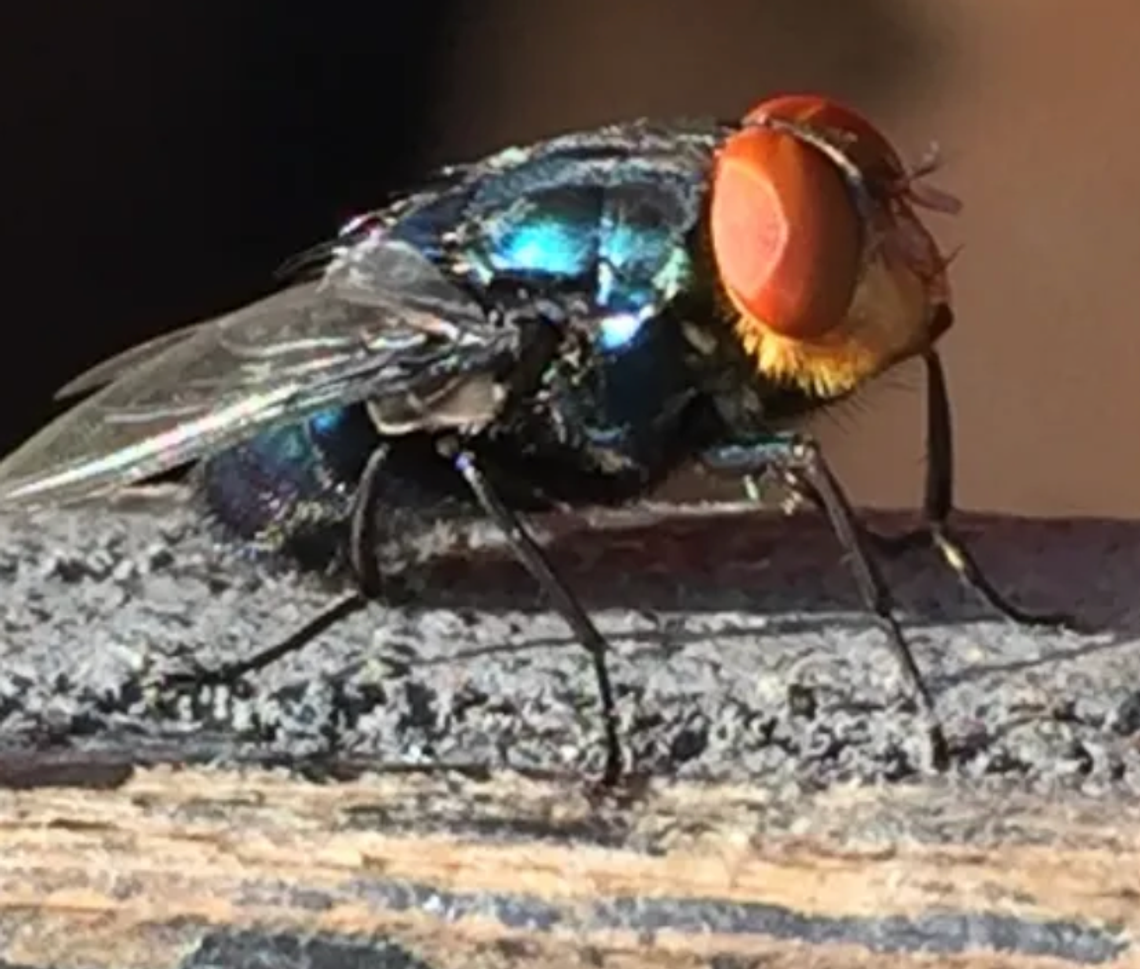
Local livestock and pet owners are being urged to inspect their animals daily as federal and state officials respond to the return of New World screwworm in the United States.
Doug Busselman, executive vice president of the Nevada Farm Bureau Federation, discussed the threat during a recent Fallon Chamber of Commerce meeting. He said Farm Bureau organizations are working with the U.S. Department of Agriculture to combat the parasite and educate animal owners about prevention.
The United States eradicated New World screwworm decades ago, but the parasite has moved north through Central America and Mexico. The USDA confirmed its first recent U.S. case in a calf in Zavala County, Texas, on June 3. Additional cases have since been identified in Texas and New Mexico.
USDA has closed livestock trade through southern ports of entry as animal health officials conduct surveillance, investigate confirmed cases and release sterile flies to prevent the pest from becoming established.
New World screwworm is not a worm, but the larval stage of an invasive fly. The female fly lays eggs in an animal’s open wound. After hatching, the larvae burrow into and feed on living tissue.
The parasite can affect cattle, horses, sheep, goats, dogs, cats, wildlife and, in rare cases, people. Even a small wound caused by a tick bite, injection, ear tag, branding, castration or minor injury can provide a place for the fly to lay its eggs.
Busselman said one concern is the large feral hog population in Texas and surrounding areas. Wild hogs can suffer frequent wounds and travel across large areas, potentially giving screwworm flies additional hosts if the parasite spreads.
Dr. David Faught of Lahontan Valley Veterinary Clinic said local animal owners should be proactive rather than waiting until the parasite reaches Nevada.
“Like any disease, be proactive and do daily inspections of animals for any wounds,” Faught said.
He recommended keeping stalls, kennels, corrals and other areas occupied by animals as clean as possible and using appropriate fly-control methods.
Owners should visually inspect their animals each day, paying particular attention to open wounds. Faught suggested photographing any wound when it is first discovered so changes can be documented rather than relying on memory.
Owners should watch for wounds that are not healing normally, appear to be growing, produce an unusual odor or contain eggs or maggots. Other warning signs can include swelling, irritation, head shaking, licking or chewing at a wound, reduced movement and unusual behavior.
The USDA advises anyone who suspects New World screwworm to contact a veterinarian promptly. Suspected cases are reportable because early detection is critical to preventing the fly from becoming established.
Faught suggested Scarlet Oil spray for minor open wounds on horses, cattle, dogs, cats and other animals. Owners should speak with their veterinarian about proper wound care and whether a product is appropriate for a particular animal, especially if a wound appears infected or contains larvae.
The parasite’s return has also raised broader concerns about livestock movement and border security.
During a recent presentation to R-CALF USA, Dr. Lora Bledsoe, a veterinarian with the Department of Homeland Security’s Office of Health Security, described how illegal cattle movement can undermine animal health safeguards.
Bledsoe said cattle are sometimes smuggled from Central America into Mexico using fraudulent identification and veterinary records before being mixed into legal herds. Animals moved outside established inspection systems can carry diseases and parasites without detection.
She also described “narco ranching,” in which criminal organizations use cattle operations to launder money, control trafficking routes or conceal the movement of drugs, weapons, currency and people.
Federal authorities have not said illegal cattle movement caused the confirmed U.S. screwworm cases. Investigators are examining animal movement, wildlife and other possible pathways. However, Bledsoe said unlawful livestock movement creates gaps in disease surveillance and increases the risk that infected animals will cross borders undetected.
The primary tool for controlling screwworm is the release of sterile male flies. Female screwworm flies generally mate only once. When they mate with sterile males, their eggs do not hatch, gradually reducing the wild population.
USDA is expanding sterile fly production with the goal of approaching 500 million flies per week, roughly the level used during the original eradication campaign.
For Lahontan Valley livestock and pet owners, the immediate message is straightforward: control flies, keep animal areas clean, inspect wounds daily and call a veterinarian when something does not look right.
Additional information and current case updates are available through the USDA Animal and Plant Health Inspection Service.




Comment
Comments