
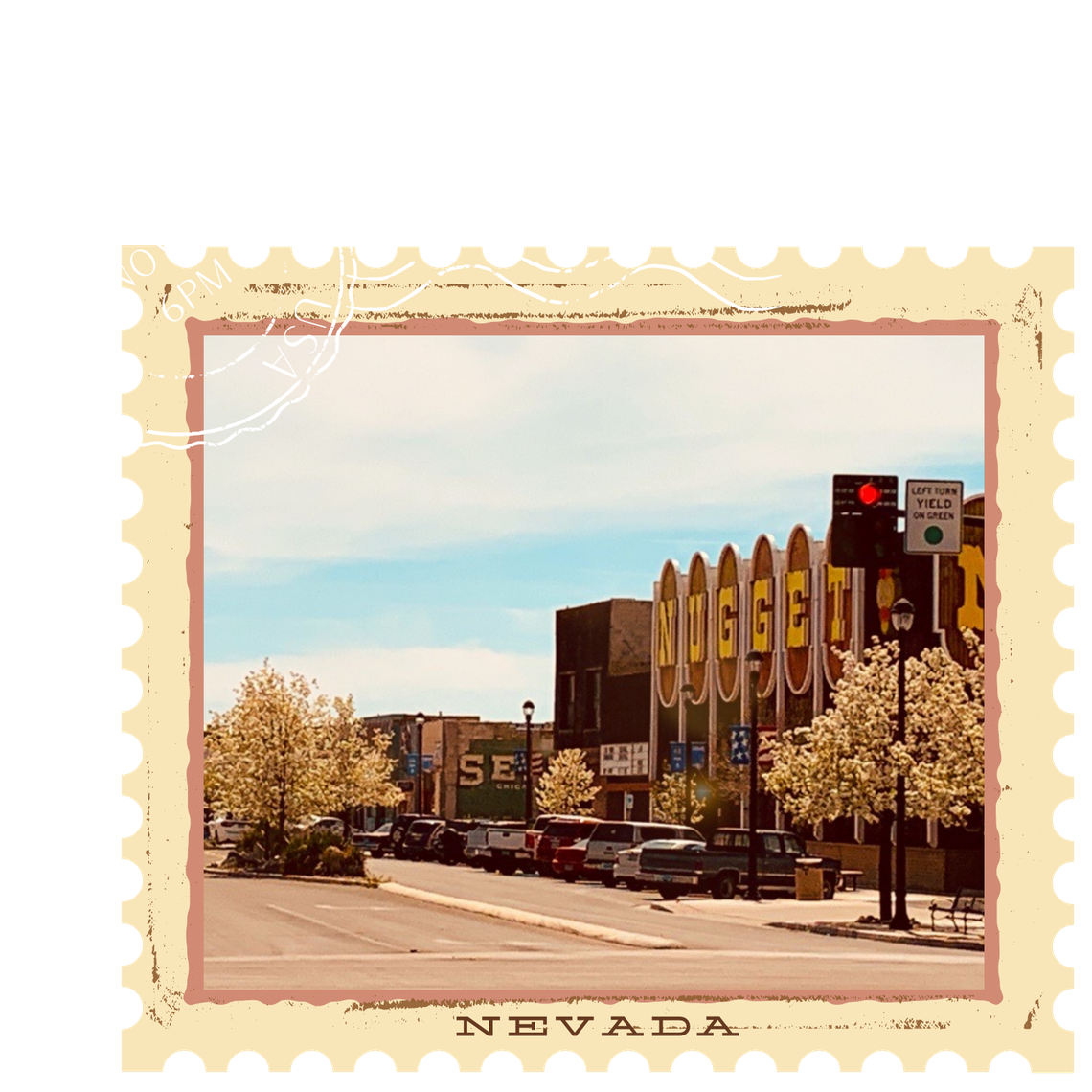
June brings us many reminders of D-Day, the turning point of World War II in Europe. Here in Fallon, small sacrifices were taking place daily.
A quick glance at the advertisements in the local newspapers throughout the duration of World War II tells us a lot about the everyday difficulties faced by those on the home front … not to be compared with the horrors taking place in the theaters of war.
On Dec. 11, 1941, a mere four days following the Japanese bombing of Pearl Harbor, tires were rationed. The majority of rubber was produced in the Southeast Asian nations that had bowed to Japanese control. A few weeks later, on Jan. 1, 1942, automobile production was ceased in the United States. The inventory of one-half million automobiles left on car lots was assessed and apportioned to those deemed most important to the war effort, including doctors and clergymen. Gas was rationed in November. A national “Victory Speed Limit” was imposed across the nation to stretch the gasoline supplies and the lives of both the tires and the automobiles. Car, gas, and tire purveyors switched to being car, gas, and tire preservers. A large ad in the “Fallon Standard,” placed by Shell Oil Company, cautioned readers that “100,000 Cars Junked Every Month. Wartime Stop and Go can send your car to the scrap heap.” The solution: get regular Shellubrication.
By June 1942, companies had also stopped making radios, television sets, phonographs, refrigerators, vacuum cleaners, washing machines, and sewing machines for civilians.
But even if your refrigerator still worked, there wasn’t much available to put in it.
Sugar was the first commodity rationed, on May 5, 1942. (Sugar, like rubber, was imported largely from Japanese-controlled areas.) Sugar was soon followed on the ration list by coffee, shortening, meat, food oils, cheese, butter, margarine, canned foods, canned milk, jams, jellies, and more. Dog food could no longer be sold in cans because metals were so valuable. Anyone wishing to buy new toothpaste in a tube (then made from metal) had to turn in an empty one.
Bakeries, restaurants, and other commercial users received larger rations, but for the average housewife or home cook, the task of putting a meal on the table, let alone baking a pie or a cookie, became quite challenging.
The Fallon Meat Company rose to the occasion by advertising “Delightful Substitutes.” The substitutes were not named except for “poultry.” The Fallon Mercantile advertised seeds: “Flowers for Morale; Vegetables for Victory.”
An ad for White House Coffee claimed it was using new, non-metallic packaging: “Tin saving for Victory.” Another local newspaper ad displayed a photo of a mother and her small son pouring hot grease from a pan into another container, with the banner line, “Here’s 18 More Bullets for Jimmy to Use!” The ad explained that a pound of fat supplied enough glycerin to make eighteen 50-calibre machine gun shells. When someone turned in a container of used fat to the local butcher, she became a “citizen soldier” and earned extra ration points.
Everyone in town was periodically issued a ration book; the distribution of the books was left to a volunteer War Price and Rationing Board. Each week, both Fallon newspapers printed a Ration Calendar outlining what rationed goods one could buy, when they could buy them, and the type of coupons or stamp needed. Samples are: “Stamps No. 9 for three gallons of gasoline;” “Stamp No. 1 on Airplane sheet in book 3 good for one pair of shoes.” Of course, money was still required to make the purchase.
It couldn’t have been easy. With Christmas 1942 on the horizon, the Ration Calendar informed our citizens that “Stamp No. 29 in Book 4 will be used for 5 lbs. sugar beginning Nov. 1 and lasting through Jan. 15.”
Please send your stories and ideas for stories to [email protected].







Comment
Comments