 Kelli Kelly
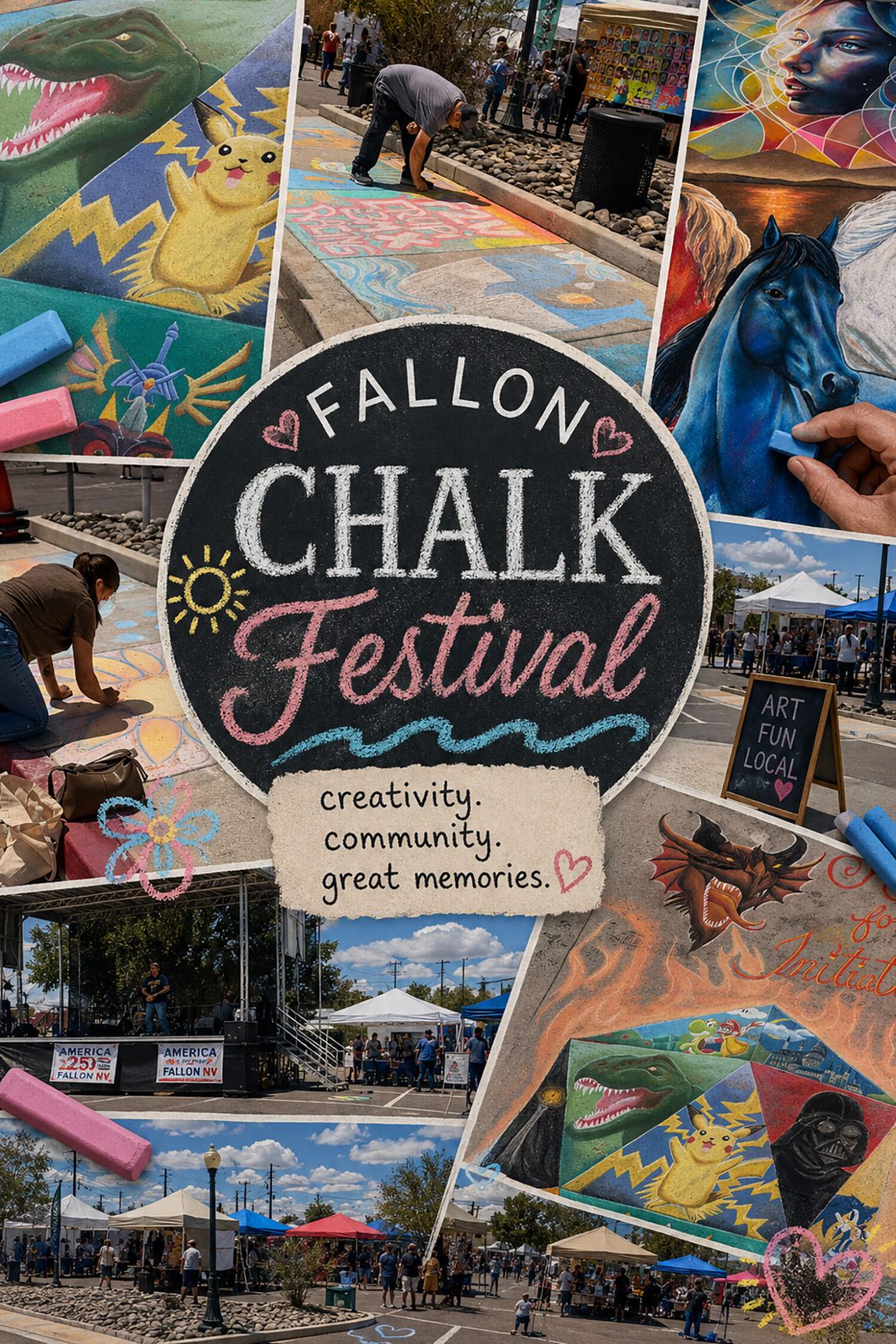
A few days after the Fallon Chalk Festival, I'll finally make my way downtown to see the artwork. I missed the festival itself. I wasn't there for the artists at work, the music, the vendors, or the crowds. Instead, I'll experience the event the way many of us experience community life. A little later. While running an errand. Walking down Maine Street. Looking down and noticing something beautiful where it didn't exist before.
There's something fitting about that.
Chalk art is temporary by design. Artists spend hours creating something beautiful with the full knowledge that it won't last. Eventually, the wind, the weather, a sprinkler, or simply the passage of time will erase it. The artwork exists for a season, and then it doesn't.
I've been thinking about temporary things a lot lately.
For the past several weeks, I've been cataloging nearly six years of Fallon Post columns as part of an effort to organize and archive my work. What began as a practical project quickly became something else.
Reading one article from last month feels familiar. Reading six years of articles back-to-back feels almost like meeting a former version of yourself. There are stories I remember writing and stories I had forgotten entirely. There are moments that felt monumental at the time and moments that seemed insignificant that still resonate years later.
Perhaps the most interesting part is seeing patterns emerge. Food is everywhere, of course. Recipes, gardens, farmers, holidays, restaurants, family dinners, and seasonal traditions fill the pages. But reading the columns as a complete body of work has revealed something I hadn't fully appreciated while writing them.
The essays aren't really about food. Food is the vehicle. The destination has always been community, place, memory, and belonging.
Again and again, the columns return to the same questions. What makes a place feel like home? How do communities preserve what matters? What traditions are worth carrying forward? How do ordinary moments become meaningful in retrospect?
The answers have usually been explored through a meal, a recipe, a conversation, or a season. But the questions themselves run much deeper.
The archive has also revealed a few personal constants. I believe place matters. I believe communities are built through participation. I think meals remain one of the best ways to bring people together. And I was reminded that I apparently hold a long-standing belief that beans deserve better public relations.
Some discoveries were profound. Others were not. For example, I appear to have spent six years finding increasingly creative ways to advocate for beans. As a proud member of the Leguminati, I regret nothing.
This fall, I'll begin a doctoral program. As exciting as that next chapter feels, it has also prompted me to think more intentionally about the chapter that came before it. Six years of weekly columns represents a meaningful portion of my life. Reading them together has been an opportunity to take stock, to notice recurring themes, and to better understand what I've been trying to say all along.
I don't know exactly what the future holds for this column. Time is finite, and new commitments inevitably reshape old routines. I hope to continue writing. I hope there are many more essays to come. But I also recognize that seasons change.
The process of revisiting these columns has reminded me that writing serves a purpose beyond publication. It creates a record. Not a perfect record or a complete one. Just enough of a record to remember who we were, what we cared about, and the place we called home.
Eventually, the chalk art downtown will disappear. That's part of its beauty. But for now, it remains. A temporary mark left by someone who wanted to contribute something to the community around them. That’s how I feel about writing this column. Revisiting these weekly missives, I've realized they were never really about food. The subject was always Fallon. Not the buildings, streets, or city limits, but the people who create a sense of belonging here and, in doing so, make Fallon feel like home.
Though, in fairness, there were quite a lot of beans.




Comment
Comments