There are some people in a place that you don’t realize are part of the structure of it until they’re gone. The Fallon Melon Man was one of those people.
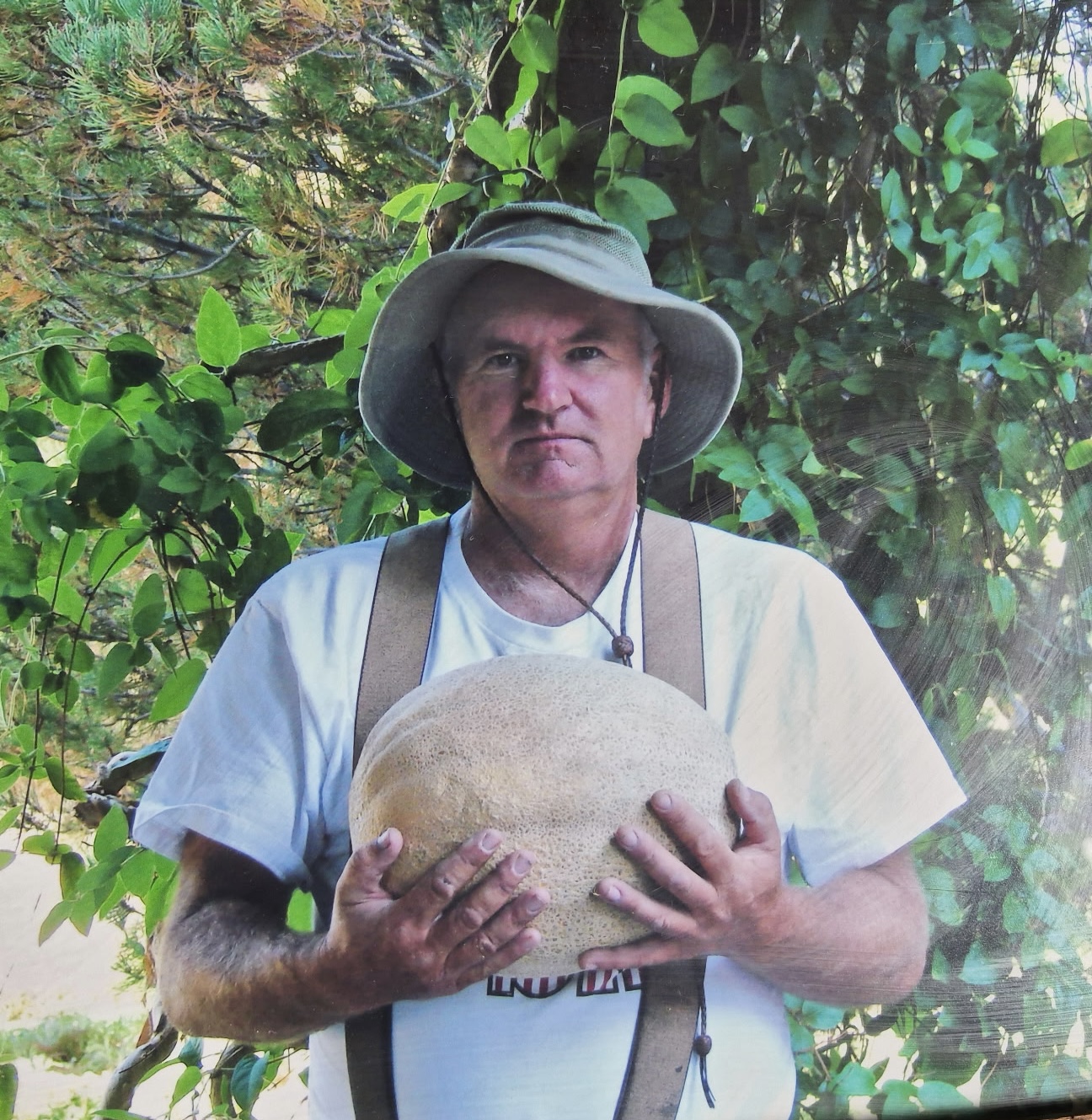
I first met him sometime in early summer of 2010, not long after I started working as the sous chef at the Slanted Porch. He showed up at the back kitchen door with a box of vegetables, quiet, wearing well-worn jeans, a bucket hat, and suspenders. He had the look of someone who spent most of his time with his hands in the earth. He didn’t say much, and he didn’t need to. At the time, I was just starting to think about where food came from beyond the kitchen. That moment, standing at the back door with a farmer holding a box of vegetables, shifted something for me. It made the whole system feel smaller and more human, like maybe there was a better way to connect the people growing the food and the people cooking it.
He didn’t let people in easily. It took a while before we even called each other by name. But once he did, the floodgates opened. He told long, winding jokes, poked fun, and asked questions. He would call to talk about wildlife or recipes or something he had baked at home. He was shy with people he didn’t know, but he could talk for ten minutes straight about vegetables or melons or birds. Sometimes he would call just to tell me about what he was seeing out by the river. Once, he heard what sounded like laughter and went to investigate, only to find a flock of pelicans floating down the Carson River. It was the unlikelihood of it that delighted him most.
Other times, it was the deer. His farm, in his words, was a veritable buffet. The deer would come through and take a single bite out of a watermelon, then move on to the next one. One bite, thirty melons gone in a night. Not something you can plan for, and not something you can fix. He was endlessly frustrated by it. And yet, every year, he would also gift me venison. That was him. Equal parts wonder and irritation when it came to the natural world.
He was, at his core, a farmer who cared deeply about how things were grown. He walked carefully through his fields and expected the same from anyone working alongside him. It mattered to him that plants weren’t stepped on, that things were done right. That care showed up in everything he produced, especially the melons.
Most people knew him as The Fallon Melon Man. He didn’t give himself that name. It grew around him the same way his melons did, quietly and over time. He sold them from a roadside stand on Reno Highway, under a pop-up the color of cantaloupe, usually hunkered down in the back of a blue and silver panel truck with the license plate “MELONS.” He didn’t go to the farmers market at the Cantaloupe Festival. He preferred his spot on the highway. If you pulled up, he wouldn’t just hand you a melon. He would ask you when you planned to eat it. Today or tomorrow. Then he would reach into the crates in the back of the truck and pick one specifically for you. He knew which ones were ready and which ones needed time. He knew his melons.
And they were his melons. Cantaloupes are open-pollinated. They cross. Year after year, he saved seeds and let the bees do their work. The genetics shifted. There wasn’t a clean name for what he was growing anymore. So I started calling them Pioneer Melons, after his farm. They were rooted here, changing every year. A little bit Hearts of Gold, a little bit something else. Sweeter, more stable, less fussy. More Fallon.
For years he brought me the first melon of the season (at least he would tell me it was the first one). And when I went on the morning news to promote the Cantaloupe Festival, I would bring his melons and tell people about The Fallon Melon Man. He would call me afterward to ask if I had talked about him, because people would start showing up and calling him that. I think he liked it, even if he would never say that directly.
For those who didn’t know him personally, his name was Scott Goodpasture. He operated Pioneer Farm for decades and quietly became one of the people who defined what it means to grow food in this valley. He didn’t take credit cards at his stand. Cash only. And if someone didn’t have cash, he would often just give them a melon and tell them to come back later. He didn’t expect them to, but they usually did. That’s the kind of trust he operated with and the kind of relationship he had with this community.
This week, Fallon lost one of its legacy farmers. A man who walked softly on the earth, who paid attention, who found joy in baby owls and pelicans on the river, and who grew some of the best cantaloupes you could find anywhere. Fallon cantaloupes are already something special. His were the best of them.
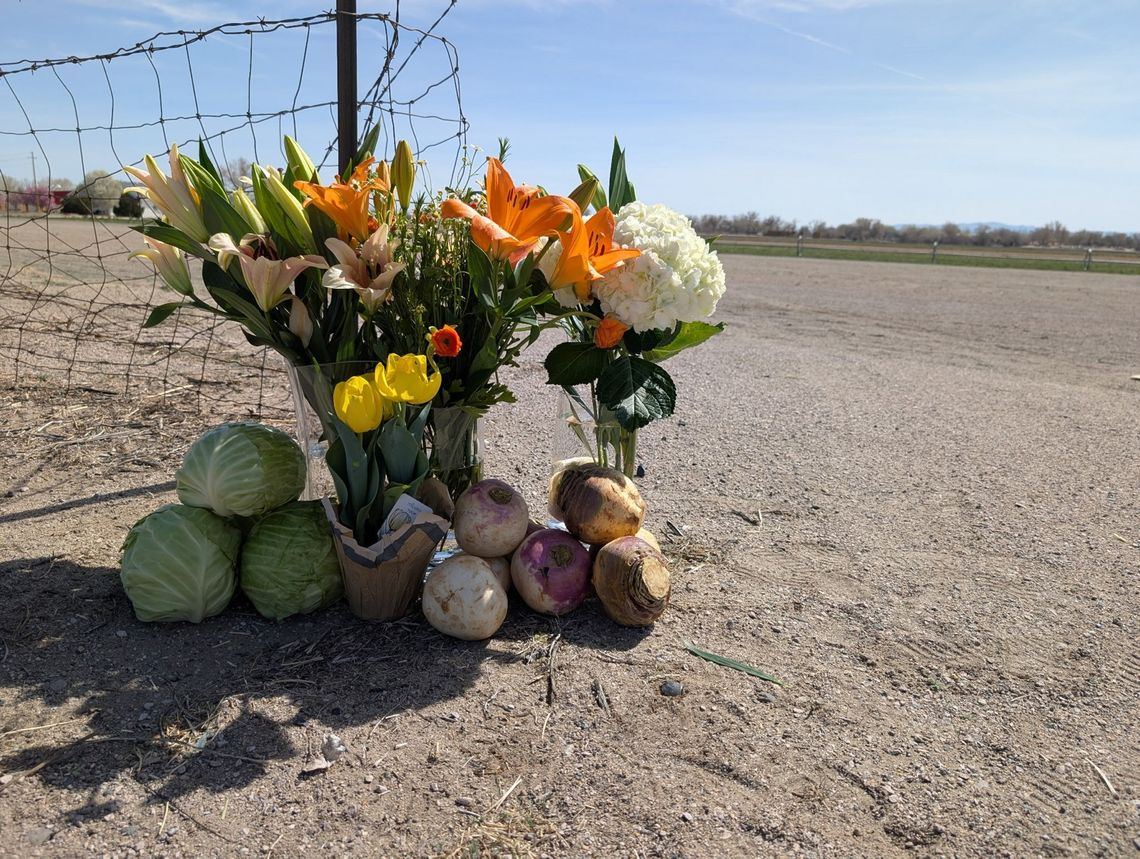
On Sunday, I went out to the highway where he used to set up his stand. I left flowers, but I also left cabbages and rutabagas and turnips. It didn’t feel right to leave just flowers for a farmer. It felt like something he would have quietly appreciated.
He didn’t make a lot of noise. He didn’t promote himself. He didn’t center himself. And yet, he became part of the rhythm of this place. Summer in Fallon starts when the Melon Man shows up on the highway. This year, when the weather turns and the season comes around again, I think a lot of us are going to feel that absence. I know I will.






Comment
Comments