
 Allison Diegel
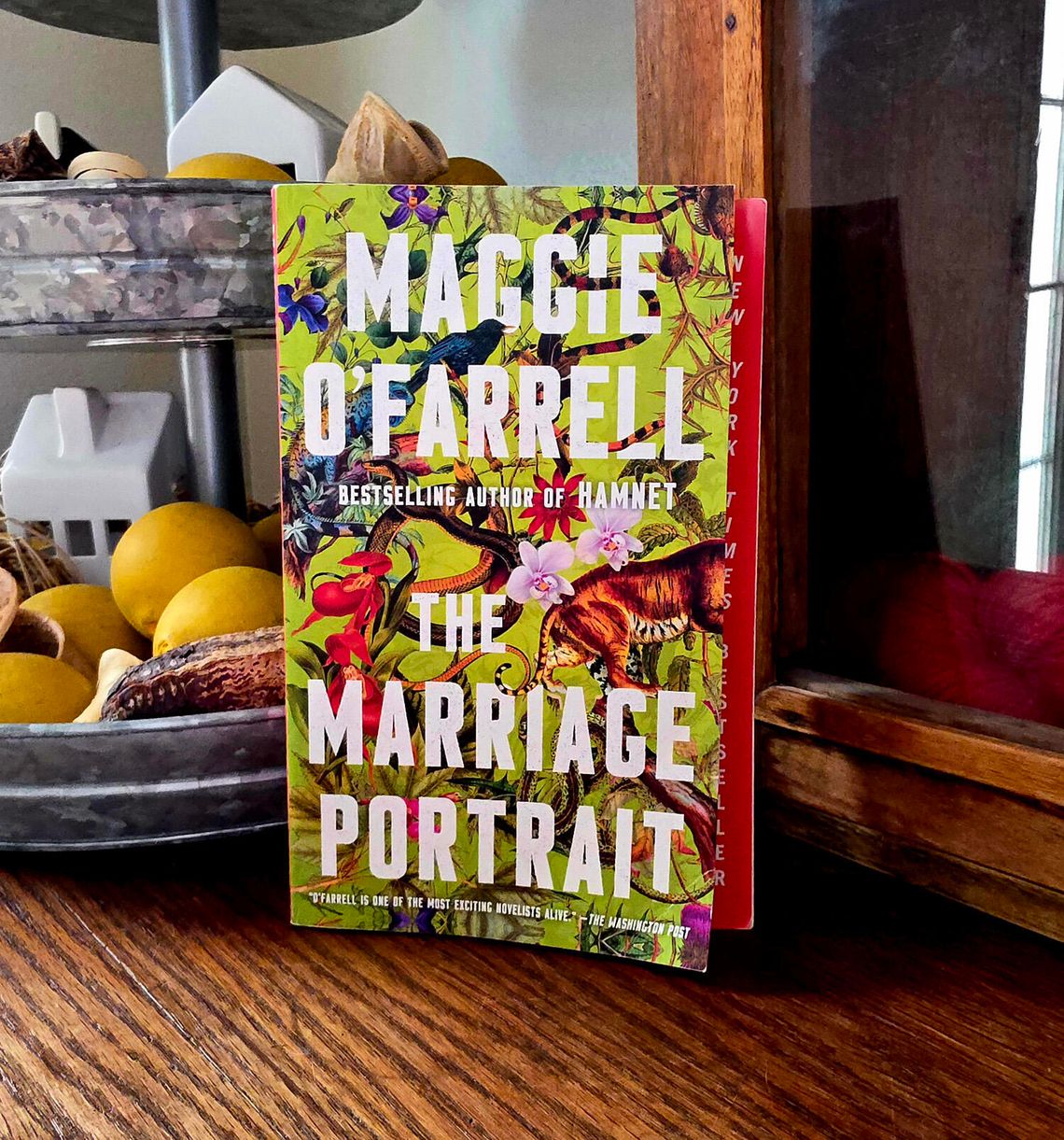
A couple of weeks ago, in the leadup to the Oscars, I read and reviewed Hamnet by Maggie O'Farrell, which was so beautifully written that I needed to read more from this talented author. I grabbed a copy of “The Marriage Portrait,” a tale of 16th-century Italy and the brief, shadowed life of Lucrezia de’ Medici.
If you are expecting a polite historical drama about tea and embroidery, you should probably buckle up, because this is much closer to a psychological thriller wrapped in the heavy, suffocating silks of the Renaissance. It carries much of the same emotional weight and atmospheric intensity found in Hamnet, which explored the grief and domestic life of Shakespeare’s family with similar lyrical precision.
The story follows Lucrezia, a young girl who is suddenly thrust into a marriage with Alfonso, the Duke of Ferrara, after her older sister dies. O’Farrell makes it clear from the very first page that Lucrezia is convinced her husband intends to kill her. This creates a fascinating, high-stakes tension that hums through every chapter. Much like the way “Hamnet” pulled readers into the visceral reality of the plague and the quiet tragedies of a household, “The Marriage Portrait” jumps back and forth between Lucrezia’s childhood in Florence and the cold, isolated villa where she fears her life is coming to an end.
What makes the book so readable is the way O’Farrell creates the atmosphere. You can almost feel the weight of the velvet gowns and the chill of the stone floors. She writes with sensory details that make the past feel incredibly tactile, yet the tone remains accessible and gripping. Lucrezia is a wonderful protagonist; she’s an artist at heart who views the world through the lens of color and composition. She isn’t just a victim of her time; she is a vibrant person trying to navigate a world where her only value is her ability to provide an heir.
The "marriage portrait" of the title refers to a painting Alfonso commissions, and the metaphor is perfect. It represents the way women of that era were captured and owned. As the Duke’s charm begins to peel away to reveal something much more controlling and sinister, the book becomes a race against time. It is a gorgeous, haunting exploration of power and survival that is both heartbreaking and surprisingly suspenseful. By the time you reach the final pages, O’Farrell delivers a twist that will likely leave you staring at the wall. It is a brilliant pick for anyone who loved the intimate, historical depth of Hamnet but wants a story served with a side of adrenaline.
I'll be back again next week–until then, don't forget to check out my Instagram @allison.the.reader to let me know what you think I should be reading next.













Comment
Comments