
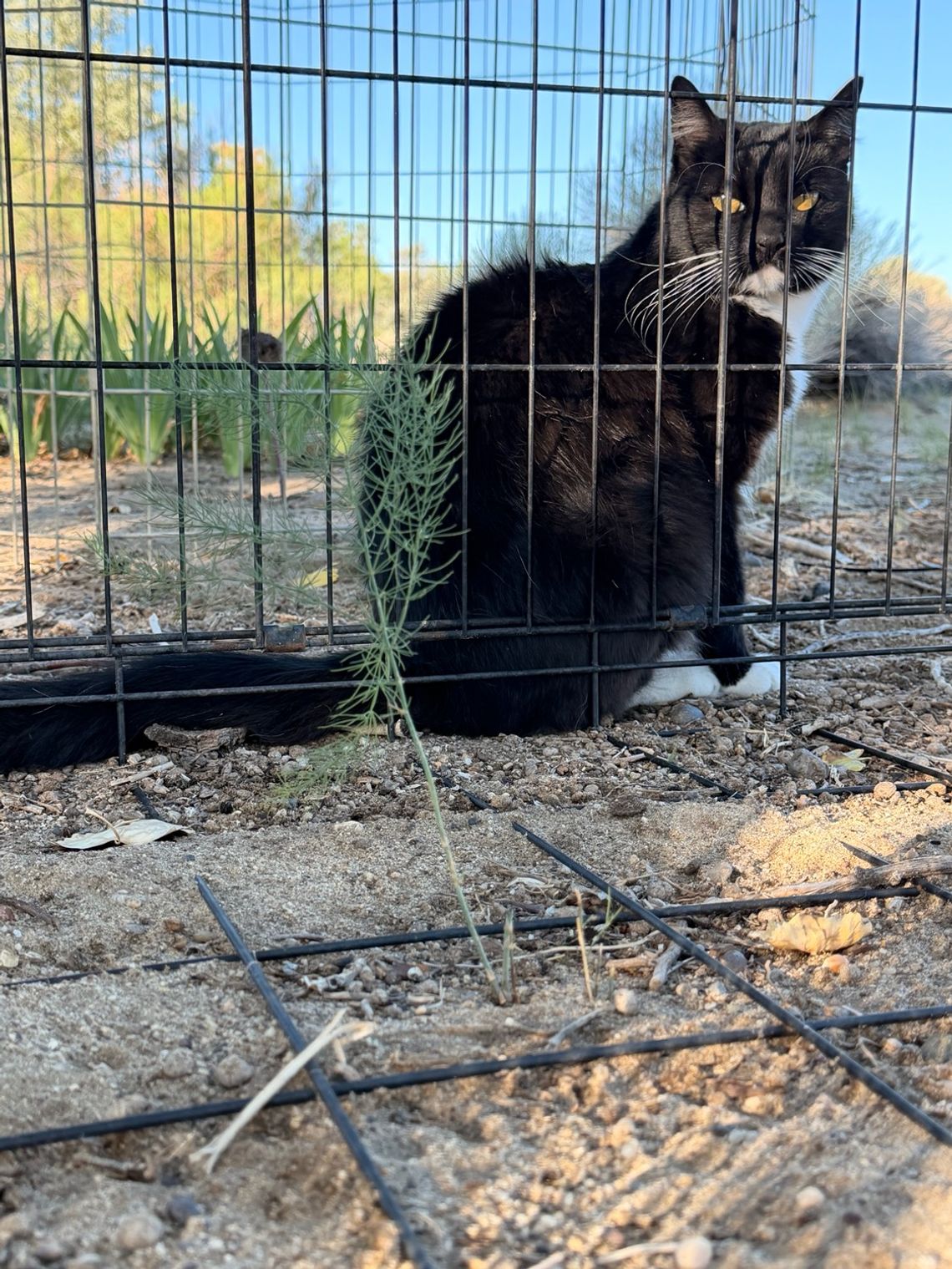
Each spring, Churchill County residents head out in search of wild asparagus growing along roadsides, irrigation ditches, and fence lines. While the hardy perennial seems almost out of place in the high desert today, its presence reflects the valley's agricultural past.
Historical records suggest that asparagus was among the vegetables grown by some local farmers during the first half of the 20th century, alongside other crops made possible by irrigation from the Newlands Project.
The completion of the Newlands Project transformed the Lahontan Valley from sagebrush desert into productive farmland, allowing local growers to diversify beyond forage crops and raise a wide variety of fruits and vegetables for home use and local markets. That irrigation system remains the foundation of Churchill County agriculture today.
By the 1920s, irrigated agriculture had become the foundation of Churchill County's economy. Alfalfa emerged as the county's principal crop, while farmers also raised cattle, sheep, and hogs and grew wheat, barley, potatoes, sugar beets, celery, cantaloupes, and a variety of other vegetables.
During World War II, agriculture became increasingly important as American farms were called upon to feed both civilians and military personnel. Victory Gardens were encouraged across the country, and many rural communities expanded vegetable production to help meet wartime needs.
Although asparagus was never one of Churchill County's major commercial crops, it was well suited to home gardens and small farming operations because, once established, the perennial returned year after year with little need for replanting. Commercially canned asparagus was produced throughout the United States during the war, although it was not considered a standard military ration.
Unlike annual crops, asparagus is a perennial plant that can continue producing for many years after it is established. Well-maintained asparagus beds can remain productive for 15 to 20 years or more, with new spears emerging each spring from the same underground crowns. Because of that longevity, abandoned gardens and old homesteads likely contributed to the patches of wild asparagus that still appear throughout Churchill County, particularly near old irrigation systems and historic farm sites.
For many local residents, gathering wild asparagus has become a spring tradition. Those annual discoveries offer a living reminder of the valley's agricultural heritage, and of the generations of farm families whose work helped shape Churchill County into the community it is today. For some, finding wild asparagus each spring is also a connection to the irrigated farms and family gardens that once dotted the Lahontan Valley.
Get all the Fallon local news and top stories delivered weekly! Sign up here: put me on the mailing list!

























Comment
Comments