 Leanna Lehman
Editor’s note: Information for this article was given during an interview with Churchill County Sheriff Richard Hickox, Undersheriff Lee Orozco, Captains Chad Sweeny and Matt Timmons, on Feb. 20, 2026, prior to Sheriff Hickox's passing on April 11.
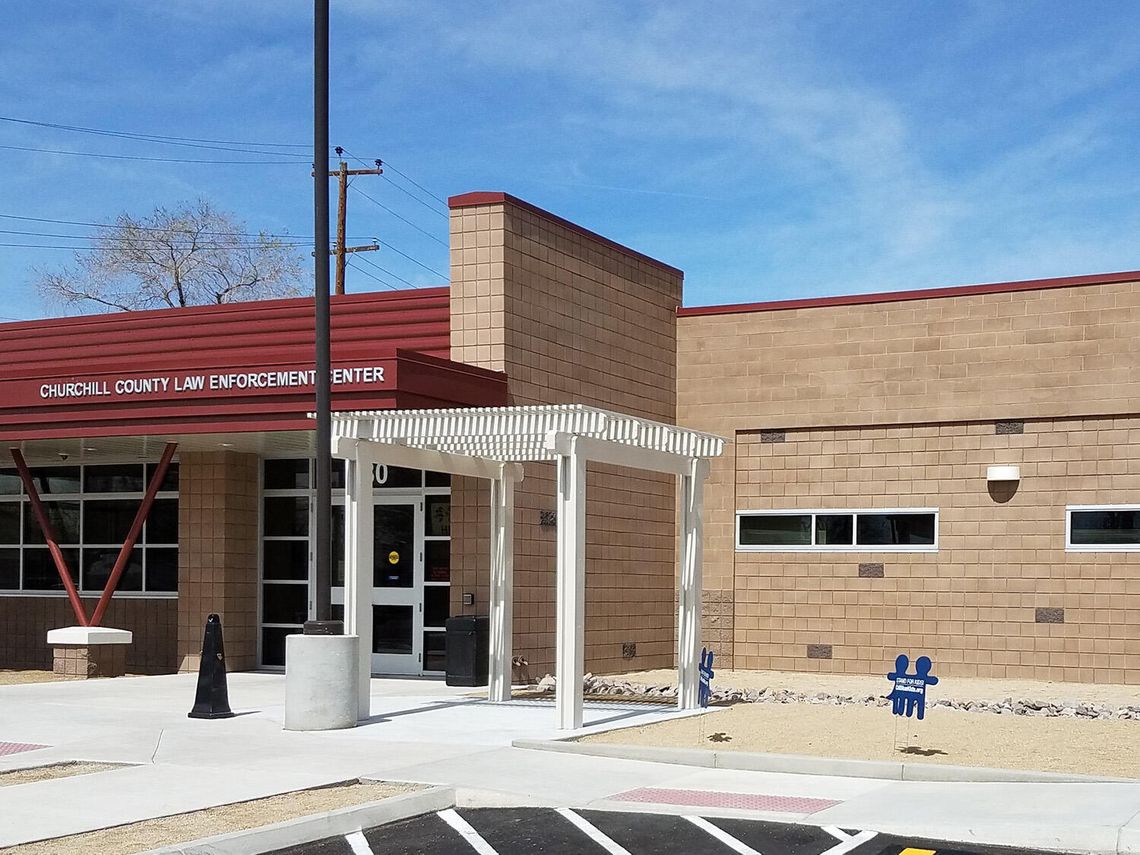
The Churchill County Sheriff’s Office, which operates the Churchill County Detention Center, is facing mounting challenges as it works to meet increasing medical obligations without the funding or staffing to support them.
Like other facilities across Nevada, the Churchill County jail is required to provide inmate medical care, including medications, emergency treatment, hospital visits, and even surgery. But according to Sheriff Richard Hickox, the funding to support these services is no longer in place.
“The county has cut our budget out completely on jail medical … at this point, we have zero funding,” said Sheriff Richard Hickox. “We're still doing it because it's required. We just have to pull the funds from other places.”
Jail medical costs extend beyond routine care. These expenses include prescription medications, outside treatment, hospital stays, and transportation for inmates who require medical evaluation before booking. Specifically, a “fit for incarceration” evaluation, which is a medical clearance required before an inmate can be booked into jail, can involve transport to a hospital to ensure the individual is stable for custody. Additionally, new state mandates are requiring enhanced inmate mental health care, which requires more money and manpower.
Those costs can add up quickly. “We've spent to date … over $100,000,” Hickox said, noting the figure was reached midway through the fiscal year.
The strain is not only financial. It also impacts staffing and daily operations. “We have one member of our staff … who spends probably 10 hours of his 12-hour day dealing with different medical things within the jail,” Hickox said.
In many cases, deputies must transport inmates to the hospital before they can be booked into the jail. That process can take hours and often requires more than one officer. Hickox explained that when an inmate has to go to the hospital, one deputy has to remain with him or her. And, in situations where surgery is needed, they can be there for days.
With limited personnel available, transport and time at the hospital can reduce patrol coverage and delay response times, impacting public safety. “There are often times when it requires more than one deputy … now you’ve got two deputies who are essentially out of commission,” Hickox said.
The staffing issue is compounded by long-standing shortages. According to Hickox, patrol staffing levels have remained largely unchanged for decades, even as the community has grown.
“We are understaffed. We are still running on patrol … the same staffing that we ran back in the early mid-1990s.”
Those conditions have forced the department to stretch existing personnel, rely on overtime, and absorb additional responsibilities tied to inmate care. According to Undersheriff Lee Orozco, in one pay period alone earlier this year, more than 300 hours of overtime had accumulated within the sheriff's department.
“Despite the growth in the community… we have … stayed stagnant,” said Hickox. “We've lost ground.”
Efforts have been made at the county level to address the growing demands of jail medical through a more structured approach; however, without success.
In November, the Churchill County Board of Commissioners considered a proposal to expand the Central Nevada Health District Administrator/Physician Health Officer's role to include oversight of jail medical services. The proposed compensation package, of which jail medical would have been only a portion, was capped at $592,800, with Churchill County responsible for approximately 68% of the cost, or $403,104.
The model would have utilized Central Nevada Health District (CNHD) staff, including nurses, and could have allowed for cost-sharing if additional CNHD counties chose to participate. It also presented the possibility of offsetting costs through Medicaid reimbursement and opioid settlement funds, according to Social Services Director Shannon Ernst.
However, commissioners expressed concern about the cost and did not move forward with the proposal. The discussion followed earlier bids for contracted jail medical services, which ranged from approximately $707,000 to more than $1 million annually. Those bids were also not accepted.
At the same time, the department continues to rely on its contracted current medical provider, who has remained in place despite plans to retire, leaving uncertainty about how jail medical services will be maintained moving forward.
Sheriff’s officials have emphasized that bringing medical services in-house could reduce long-term costs and improve efficiency. “If we had medical within our facility … it puts that officer back on the street quicker,” Hickox said.
Hickox said during the Feb. 20 interview that he would like to add at least one more investigator and two more sergeants to the jail. “We had asked for one sergeant position back that they took from us during the last budget cycle. But we need several more deputies on both patrol and in the jail.”
Sheriff Hickox spoke during public comments at the March 18 County Commission meeting about being asked by Commissioners Blakey and Hyde at the Feb. 20 meeting to eliminate $100,000 from the budget for the upcoming fiscal year. “I wanted to go on the record today and advise you that we were able to pull that out of the overtime budget,” said Hickox, later adding, “to be more aligned with what they [commissioners] needed, and still meet the needs of the public.”
When a community experiences growth, law enforcement must grow with it, Hickox said during the interview. “We can't continue to stay stagnant and provide the experience that people expect from their law enforcement service, a quick response, and community safety.”


















Comment
Comments