
 Michon Mackedon
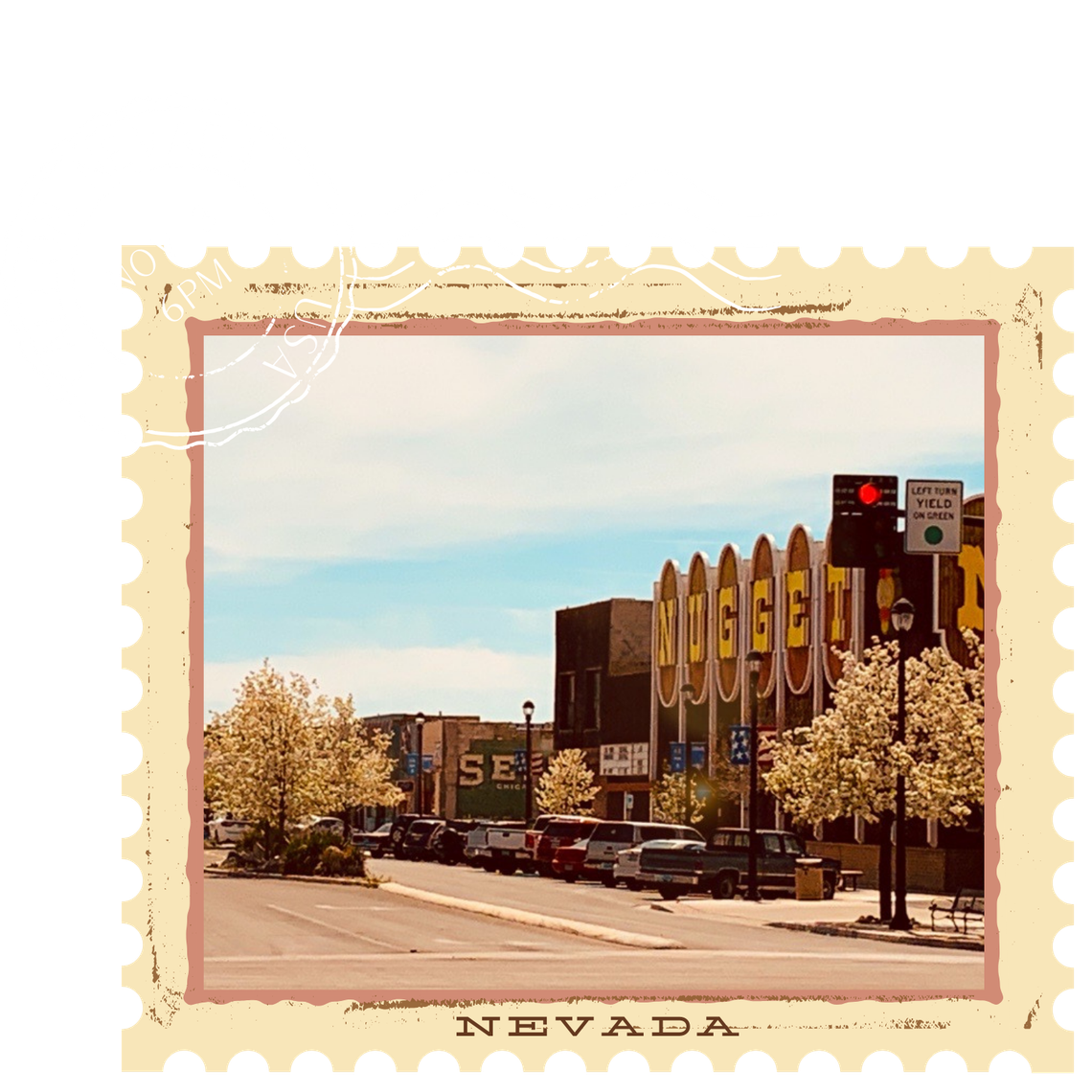
During the entire year of 1926, the Fallon newspapers covered, almost brick by brick, the building of a new Fraternal Hall on Maine Street. The “Fallon Eagle” and the “Churchill County Standard” carefully followed not only the construction progress but any setbacks as well. When the job was finished, in early 1927, there was a hot time in old town that night!
From its earliest beginnings, Fallon was host to many Fraternal orders. The first to organize here was Churchill Lodge No. 26, Free and Associated Masons, formed in July 1901, when Fallon was not much more than a post office located at a crossroads, not yet incorporated as a city. The Knights of Pythias established Alpine Lodge No. 24 soon after, on October 11, 1901, followed by the formation of lodges by both the Odd Fellows and Pythian Sisters in 1904 and of Myrtle Chapter, Eastern Star, in 1905.
It’s hard to imagine that at that early time in our history, there were enough people in the valley to keep that many Fraternal orders going. In 1900, the population of the entire county was less than 1000. However, the early part of the 20th Century in general saw a proliferation of new orders and a rise in membership in existing orders. Surprisingly, it is estimated that at the turn of the century, 350 orders in the United States enrolled more than six million members. That means, on average, for every three adult men, one was a member of a male Fraternal order. That statistic doesn’t account for the membership in women’s orders, like the Pythian Sisters and Eastern Star.
Finding meeting space was always challenging for the orders. They not only needed space for their rituals, but they sponsored dinners and dances and various fundraisers as well. The need for space finally became critical enough that a surprising number of pocketbooks were opened to finance the building of the Hall. Sometime in 1924, a subscription campaign was launched with the goal of raising enough capital to build a grand Fraternal Hall in Fallon, one large enough for meetings, catering, and best of all, dancing. The Fallon Fraternal Hall Association was formed, and shares were sold to fund the lofty project. The orders themselves bought many shares, led by the Free and Associated Masons with 437 ½ shares. But the list of 115 stockholders also contains the names of Fallon’s prominent families, many holding just one or two shares. Renowned Nevada architect Frederic DeLongchamps was commissioned to design the building, and Robert L. Douglass was selected to chair the Association. Ground was broken on September 13, 1926, and the building rose speedily on Maine Street, quite the sight to see.
The Wednesday, Nov. 10 edition of the “Standard” informed readers that the building was near completion and that it would open on New Year’s Eve. “The front of the new building begins to show the attractive appearance it will present on Maine street when finished.” The paper also reported that the brick had originally been shipped in from Reno, but that a local kiln had been set up to make the bricks more cheaply: “The brick taken from the local kilns was declared by the bricklayers to be superior to the shipped in product and more easily laid.” The cornerstone was set on Thanksgiving Day at 10 a.m.
A few delays were encountered, and the New Year’s opening had to be postponed until February, but apparently few spirits were dampened. Both local newspapers devoted full page coverage to describing what seemed to be the event of the decade. A throng of over 1,000 people attended the opening—“the largest by long odds that had ever assembled under one roof in Churchill county” (“Standard” February 9). The excited public listened to speeches, dined and danced on the new, “magnificent” dance floor until the wee hours of the morn.
Thank you, Michael Fuhlendorf, for the idea for this story. Please send your stories and ideas for stories to [email protected].





Comment
Comments