 Staff Report
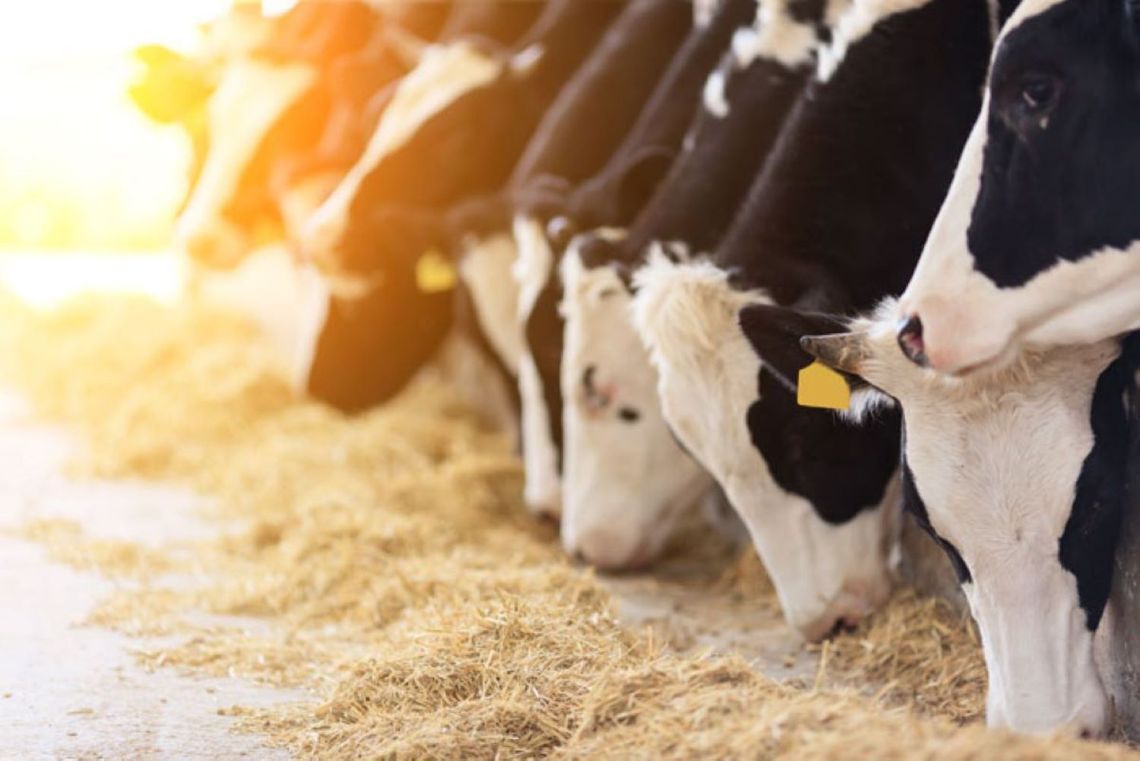
In a first for Nevada’s dairy-rich Churchill County, Highly Pathogenic Avian Influenza (HPAI) has been detected in local dairy cattle – primarily comprised of Holstein and Jersey breeds, according to the Nevada Department of Agriculture (NDA). While the news may cause concern in a community with the highest concentration of dairies in the state, officials emphasize that milk supplies remain safe, and the affected cattle have been quarantined.
Churchill County is home to a significant portion of Nevada’s dairy production, making this detection particularly notable. In collaboration with industry members, the NDA conducts regular onsite testing to ensure herds are free of the virus before lifting the quarantine.
“Ensuring the safety of the industry is our utmost priority,” said NDA State Veterinarian Dr. Peter Rolfe. “We’re working closely with dairies to enhance biosecurity measures and protect both animal and worker health.”
The Centers for Disease Control and Prevention (CDC) reports that the risk to humans remains low, and officials have reassured residents that pasteurized milk and dairy products remain entirely safe for consumption. According to the USDA, pasteurization effectively eliminates any potential threat from HPAI.
“Fallon residents should continue to follow standard food safety practices—consume only pasteurized dairy products and cook meat to appropriate temperatures,” Dr. Rolfe added.
HPAI, which has now been detected in 16 states since March 2024, typically presents mild symptoms in cows, such as reduced milk production, coughing, or decreased feed consumption. Livestock owners are encouraged to remain vigilant and report any signs of illness to a veterinarian.
For livestock workers, symptoms can include fever, eye irritation, or mild respiratory issues. Anyone feeling unwell is urged to seek medical attention. Personal protective equipment is available through the Central Nevada Health District by calling 775-867-8181.
Fallon’s dairy industry is taking every precaution to safeguard public health and animal welfare.










Comment
Comments