
 Rachel Dahl
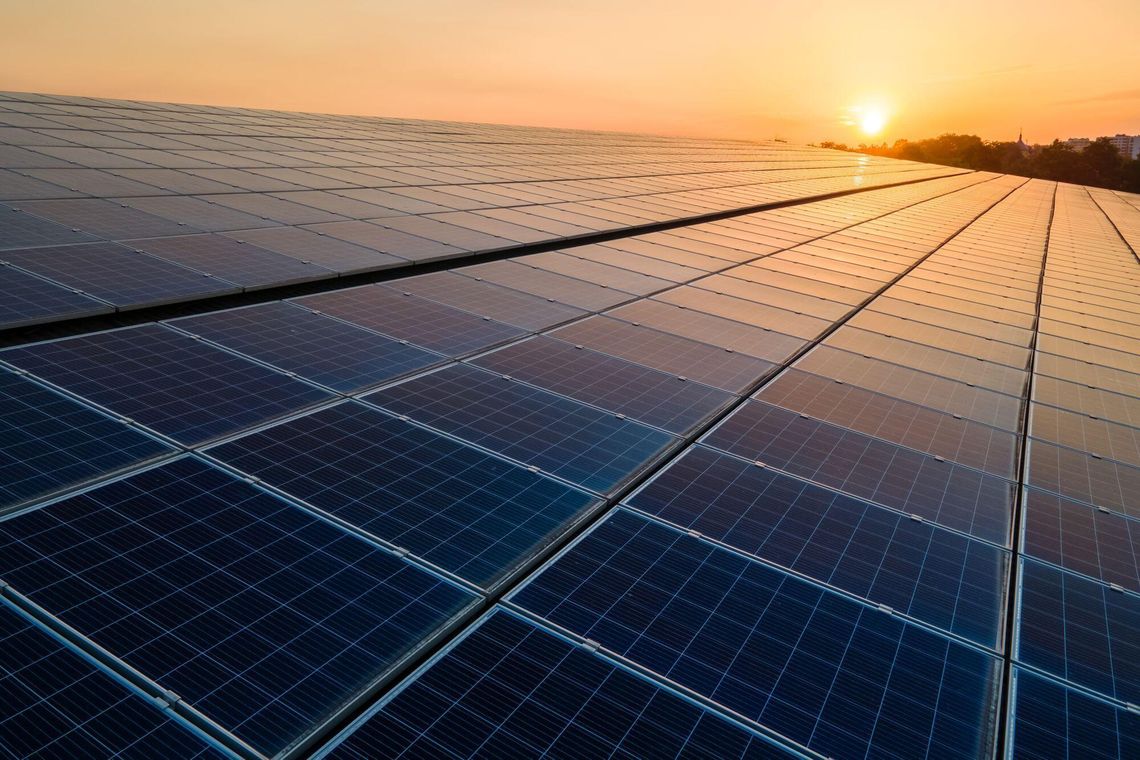
NV Energy’s latest plan forecasts sharply rising demand, with much of the new infrastructure expected in Northern NevadaMost Nevadans don’t spend much time thinking about electricity. Flip a switch and the lights come on. Turn up the air conditioner and cold air blows. Plug in a phone and it charges.
Behind that simple transaction, however, is an enormous system of power plants, solar fields, geothermal facilities, batteries, transmission lines and substations that has to produce and deliver enough electricity whenever customers need it.
And according to NV Energy’s latest planning documents, Nevada is going to need considerably more of it.
NV Energy filed its newest Integrated Resource Plan with the Public Utilities Commission of Nevada in May. The plan, contained in PUCN Docket 26-05007, looks ahead from 2027 through 2046 and describes how the utility expects electricity demand to change and what resources could be needed to meet it.
The increase is substantial.
NV Energy’s 2026 forecast projects that annual electricity use over the 20-year planning period will be 47 percent higher than the forecast the company made just two years ago, driven primarily by large customer projects.
The utility previously expected annual electricity use to grow about 3.2 percent per year. Its current forecast puts that growth at about 5.3 percent. Peak demand, the amount of electricity customers require at the same time, is also expected to grow faster, at 3.8 percent annually compared with the previous 2.5-percent forecast.
Those numbers are specifically important because electricity is unlike many other commodities.
A state can store gasoline in tanks or wheat in grain elevators. The electric grid must continuously balance how much electricity customers are using with how much electricity is available.
And so the role of capacity cannot be understated.
A megawatt, or MW, measures how much power can be produced or used at one moment. A megawatt-hour measures how much energy is used over time. And not every 500-MW generating resource behaves the same way.
A natural-gas turbine can generally be started when electricity is needed. Solar generation depends on sunlight. Batteries can store electricity produced earlier and supply it later, but only until the stored energy is exhausted. Geothermal plants can provide electricity around the clock.
Utility planners therefore must look beyond the simple number of megawatts installed and determine whether enough dependable power will actually be available during the hottest summer afternoon, an equipment failure or another period of unusually high demand.
That is essentially what the NV Energy Integrated Resource Plan attempts to do – forecast future electricity demand, examines possible generating and storage resources, transmission needs and costs, and proposes a combination of investments and contracts to meet that demand. The Public Utilities Commission then reviews the proposal.
What makes the current proceeding particularly important for rural Nevada is where much of the growth is occurring.
In a briefing on the new resource plan, NV Energy said the need for new resources is greater in Northern Nevada than Southern Nevada and that the company expects to add more new resources in the north. The utility also said new thermal generation, generally power plants using fuels such as natural gas could exceed 3,000 MW statewide during the coming decade.
That means Nevada’s changing electric system will not be confined to Reno and Las Vegas.
Transmission projects already under consideration cross Churchill, Lyon, Storey and Washoe counties. Solar and battery projects are being proposed in rural counties. Existing generating sites such as Valmy and Fort Churchill figure into the broader discussion about future resources. The PUC docket also shows a growing number of separate applications involving very large electricity customers, including Amazon and Vantage Data Centers in Northern Nevada.
For rural communities, the questions extend well beyond whether there is enough electricity.
Where will new generating facilities be built? Where will transmission lines run? How much land will they require? How will projects affect county tax bases? Who pays for infrastructure built to serve major new customers? What happens if projected customers do not materialize? And can new generation and transmission be built quickly enough to keep pace with demand?
Those questions will be examined in the coming months.
The PUC has scheduled hearings on NV Energy’s resource plan beginning Oct. 27
Great Basin Sun will follow that proceeding and, in the weeks ahead, explain how Nevada’s electrical system works, where the new demand is coming from, what NV Energy proposes to build and what the changing grid could mean for the rural communities where much of that infrastructure will be located.


















Comment
Comments