
 Rachel Dahl
“If I own a business in a city and pay taxes there, shouldn’t I be allowed to vote there?”
In an ordinary city election, generally no.
A person may own property in several communities. But representative government requires each voter to belong to one electorate. Otherwise, power would follow wealth.
One house, one vote. Five houses, five votes. A corporation operating in 40 states would need a very large ballot.
That would be government by property, not citizens.
The principle is simple: Your interests may reach across many communities. Your vote belongs to the community where you live.
The Declaration of Independence says governments receive their just powers from “the consent of the governed.” That raises another question: Who are “the governed” for a particular government?
Americans are governed nationally. States govern their residents. Counties govern county residents. Cities govern people inside city boundaries. The smaller the government, the more important its boundary becomes.
The Constitution did not create a separate national set of voter qualifications. Instead, each state continued deciding who could vote for its own state legislature. Those same people were allowed to vote for members of the U.S. House of Representatives.
That meant Congress could not choose its own voters. The people already qualified to vote under their state’s laws would also decide who represented them in Congress.
James Madison explained this in “Federalist No. 52.” He described the definition of the right of suffrage as a “fundamental article of republican government.” The House was supposed to depend upon the people, not Congress’s changing definition of the people.
“Federalist No. 10” explains why the country uses representation. A large republic contains many interests, Madison argued, making it harder for one faction to control everyone. Citizens choose representatives rather than voting on every government decision.
The Anti-Federalists worried that representatives in such a large country would become distant from ordinary people. In “Brutus No. 1,” Brutus warned that a national legislature might not understand the “local condition and wants” of different communities. The Federal Farmer argued that representation had to reflect “the situation of the people.”
The two sides disagreed about whether the Constitution could accomplish that. Both understood that representation connects actual people to actual places.
America did not begin with universal voting rights. State rules often restricted voting by property, taxpaying, race, sex, religion, age, and residence.
Over time, America separated voting from property ownership. Constitutional amendments prohibited voting discrimination based on race and sex, poll taxes in federal elections, and denial to citizens 18 or older based on age.
The developing principle became one qualified resident, one vote—not one parcel, one vote.
That is why owning a downtown building does not give its owner more political power than renting an apartment. A renter is not half a citizen. A landowner is not five citizens.
Supreme Court decisions reinforce this. Dunn v. Blumstein permits genuine residence requirements but rejected long waiting periods. Kramer v. Union Free School District No. 15 struck down voting restrictions that excluded otherwise qualified residents from school district elections based on property ownership or whether they had children attending local public schools. Holt Civic Club v. Tuscaloosa held that people outside a city do not gain its vote merely because its policies affect them.
Nevada law makes this concrete. Voters register where they actually reside. The law discusses a person’s fixed and permanent home. When someone’s family lives in one place while that person does business elsewhere, the family home is generally the residence.
As Fallon Mayor Ken Tedford often explains it, your domicile is where you lay your head at night.
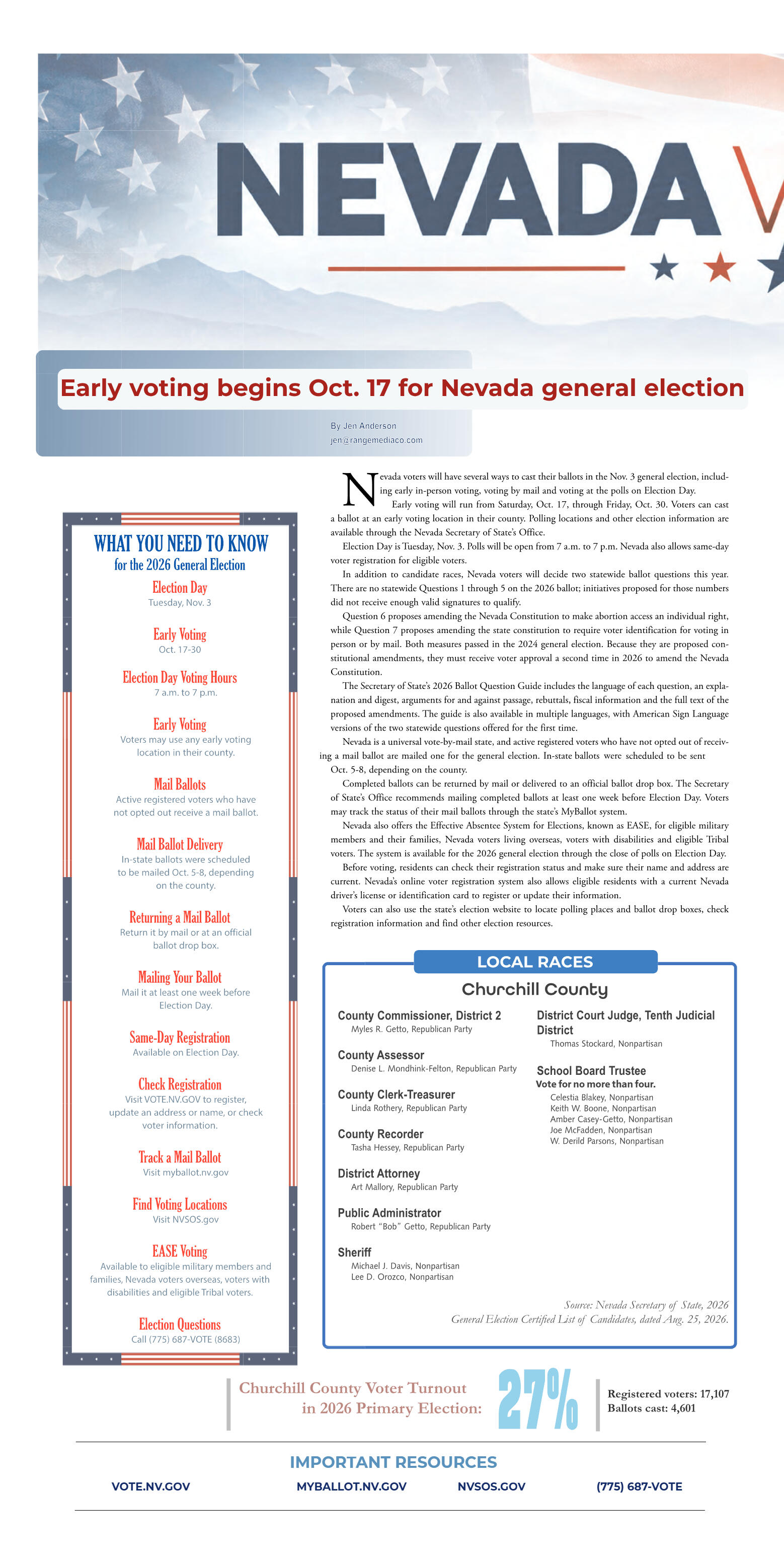
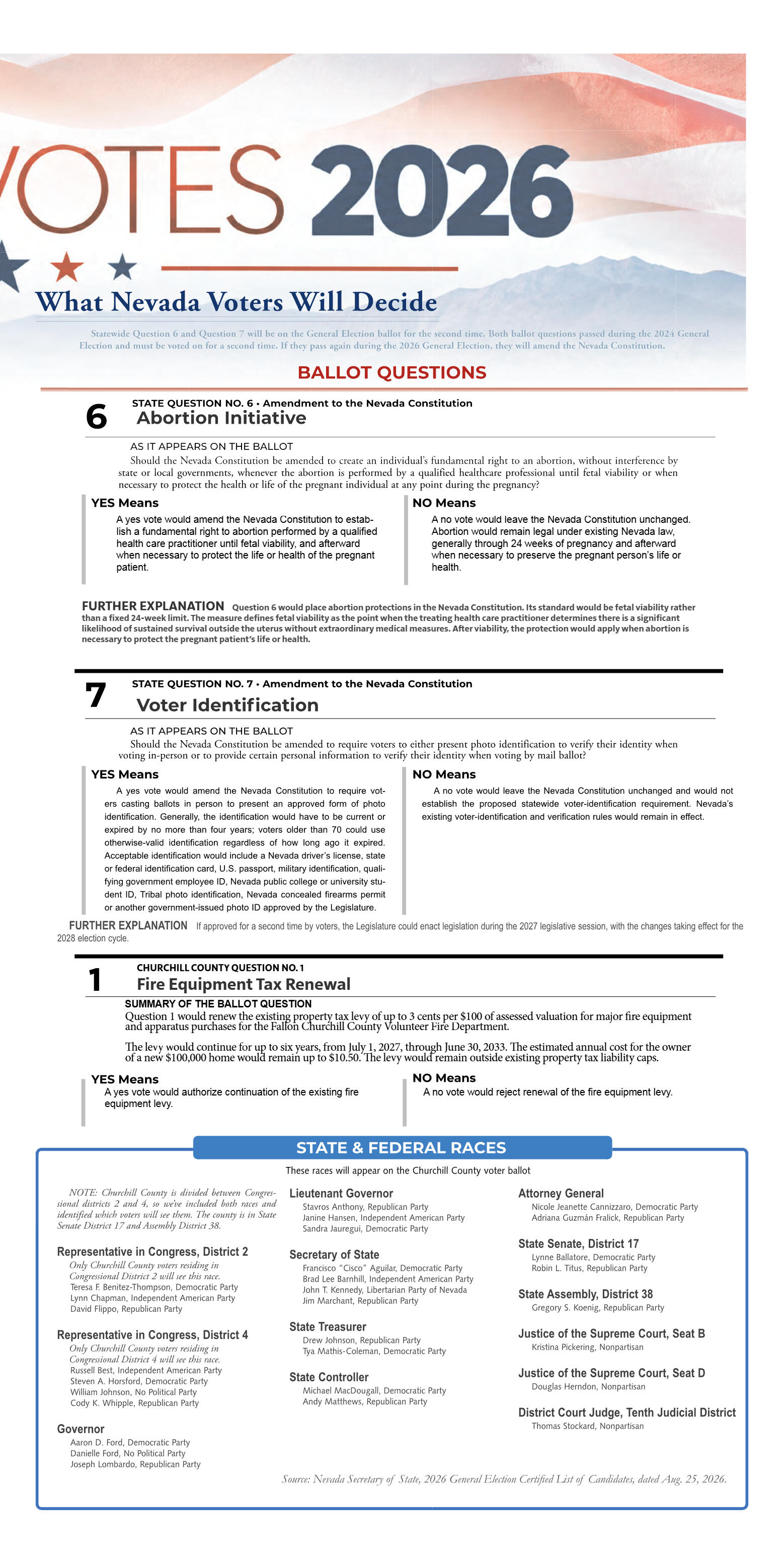
If you live inside a city’s boundaries, your ballot includes that city’s offices and ballot questions. If you live outside those boundaries, you may vote in county, state, and federal elections—but not that city’s election. Owning a business or other property inside the city does not make you a city voter. You may still attend meetings, speak, petition officials, and persuade city voters. But your ballot is determined by where you live.
Your home places you in a precinct. That precinct places you inside city, county, school, legislative, and congressional districts. Those boundaries determine which representatives answer to you and which ballot belongs to you.
Americans have many ways to influence communities where they do not live. We may speak, write, petition, organize, contribute, and show up at public meetings. What we may not do is collect electorates the way we collect property.
A ballot is not a shareholder dividend or a receipt for taxes paid. It is the voice of a citizen within the political community that citizen calls home.
In a constitutional republic, boundaries tell us who gets to decide. Domicile tells us where each of us belongs.
One home. One community. One ballot. One vote.













Comment
Comments