
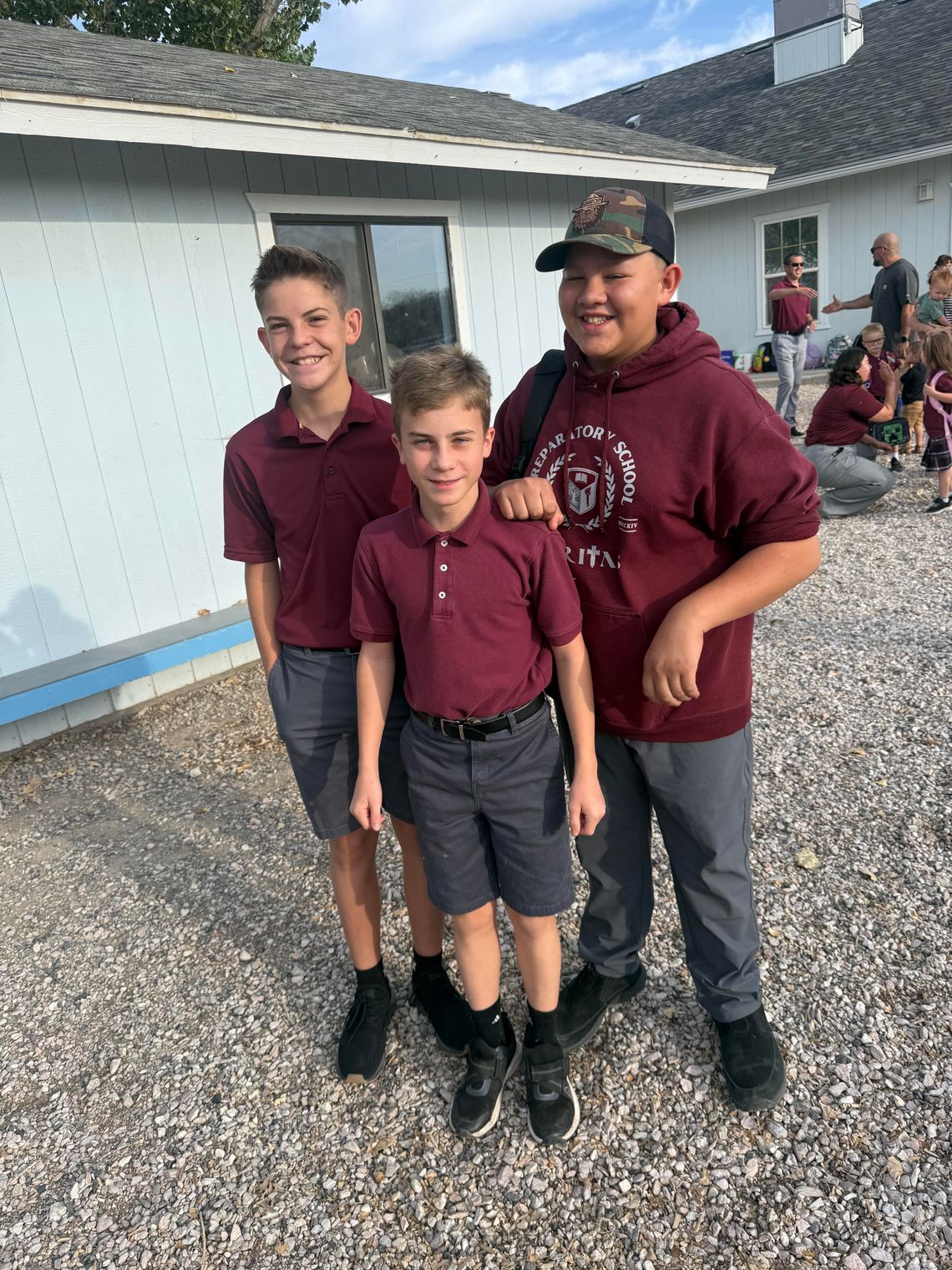
The first week of school at Veritas Preparatory School was filled with learning, but perhaps none of the lessons were more important than those surrounding expectations, rules, and procedures. Students learned where to go, how classrooms operate, what is expected on the playground, and how to navigate the routines of a new school year. Yet behind each of these expectations is a larger purpose: developing students of strong Christian character.
While academic excellence is an important part of the school’s mission, teachers also recognize that education plays an important role in shaping who students become. At Veritas, conversations about character are a commonplace occurrence in and out of the classroom.
What does patience look like when someone takes the ball you wanted on the playground? How do you demonstrate kindness when a classmate is struggling? What does it mean to show grace when someone makes a mistake? How should you respond when a teacher corrects you? What does it look like to love your neighbor when that neighbor happens to be sitting at the desk beside you?
These aren’t simply questions for a Bible lesson. They are practical lessons that arise naturally throughout every school day.
One phrase has become particularly familiar among Veritas students: “We don’t do that here.”
The statement is simple, but it communicates something important about school culture. Every community develops expectations about how its members treat one another. At Veritas, students are taught that certain behaviors are inconsistent with the kind of community the school is seeking to cultivate.
New students sometimes arrive with habits or behaviors that may have been accepted elsewhere but are not permitted at Veritas. Rather than simply establishing a list of prohibited behaviors, teachers seek to help students understand why expectations exist. The goal is not merely outward compliance but the development of wisdom, self-control, respect, and consideration for others.
“We don’t do that here” is therefore followed by another important lesson: What do we do instead?
We speak respectfully. We tell the truth. We exercise self-control. We forgive. We show kindness. We take responsibility when we are wrong. We extend grace when someone else is wrong.
These expectations are rooted in the school’s desire to model Christ in its interactions with one another. Students will inevitably make mistakes, disagree with classmates, become frustrated, or need correction. Those ordinary moments provide some of the most valuable opportunities for teachers to help students put biblical principles into practice.
This year, Veritas is placing a particular emphasis on grace and what it looks like throughout the school community. Grace does not mean ignoring poor behavior or eliminating expectations. Instead, it shapes the way correction is given and received. It calls students and adults alike to demonstrate patience and kindness even when doing so is difficult.
The opening weeks of school provide an important opportunity to establish these expectations. Routines practiced now will eventually become habits, and habits help form character. A student who repeatedly practices showing respect, taking responsibility, exercising self-control, and extending grace is learning lessons that reach far beyond the classroom.
Long after students have forgotten a particular spelling list or history date, the habits of character developed during their school years can remain.
At Veritas Preparatory School, that is an essential part of education. The goal is not simply to teach students how to be successful in the classroom but to help them grow into young men and women who seek truth, demonstrate wisdom, love their neighbors, and reflect Christ in the way they live.
And sometimes, that lifelong lesson begins with a very simple reminder:
“We don’t do that here.”















Comment
Comments