
 Angela Viera
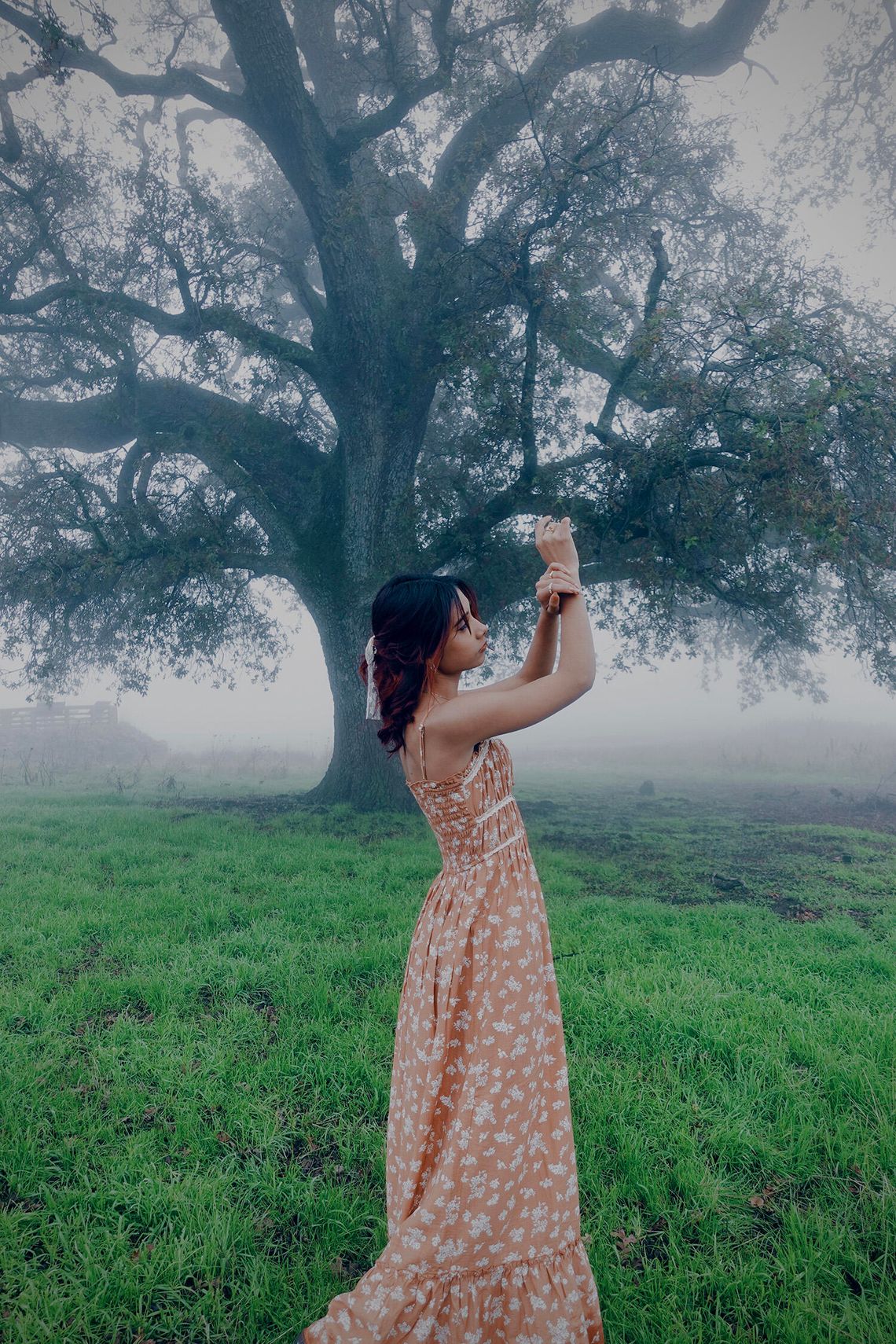
Senior Spotlight: Lisbety Sabrina Jazpe Castejon
Arriving in the United States from Venezuela at just 14 years old, senior Lisbety Sabrina Jazpe Castejon began her time at Oasis Academy in 2023 in the middle of her freshman year. Adjusting to a new country and school brought significant challenges for her, especially because she did not know English.
“My first two years were the most difficult,” she shared. “I didn’t know almost any English, and it was very hard for me to make friends, talk to my teachers, or with anyone who didn’t speak Spanish.”
Jazpe Castejon recalls how one teacher made a lasting impact during that transition.
“I remember Mr. Jose Ramírez followed me to each of my classes to translate everything my teachers and classmates said and to help me do my assignments,” she said.
Class presentations were particularly intimidating.
“One of the hardest things was every time I had to present in front of the whole class, because I felt a lot of embarrassment not being able to speak English well,” she explained.
Despite these early struggles, she found her place—especially through friendships that made a lasting impact.
“One of my favorite memories was mostly my sophomore year with my friends Allura and Christina, especially the day we were making monster Barbies at lunch,” Jazpe Castejon said. “I still have mine, and it is so funny to remember.”
Her high school experience also helped her discover a new passion.
“My favorite class was Watercolor I because it was the class where I had the most fun,” she said. “It helped me discover something I didn’t even know about myself, which is my ability to paint.”
Castejon will graduate in May with her high school diploma, a large number of college credits, and extensive experience. Looking ahead, her plans reflect both ambition and independence.
“My plans after graduation are to save enough money to move alone to Reno or Los Angeles and pay for my own college,” she said. She is considering attending Long Beach City College for a short medical program or possibly joining the Navy.
Her long-term goals are even bigger.
“Before the age of 30, I want to move to the Dominican Republic,” she shared. “One of my goals is to save money and already have properties there so I can live comfortably and have something else to make money. The Dominican Republic is a super touristic country, and people going there are always going to need a place to stay. That’s really my dream.”
As she prepares to graduate, she reflects on how far she has come.
“Coming here has brought me many opportunities and has been one of the greatest blessings that God has given me,” she said.
Her message to future students is clear and heartfelt, especially for Hispanic students navigating the same beginnings she experienced.
“Be confident in yourself. Don’t feel embarrassed about asking questions, participating in sports, clubs, and school events. Also, whenever you need help, talk to your teachers. Definitely don’t limit yourself so that you can have a good high school experience and make good memories,” Jazpe Castejon closed.
Ranson Presents to History Classes
Students in Mr. Eric Grimes’ HIST 102 U.S. History classes recently had the opportunity to hear firsthand insights from local author Steve Ranson of the Lahontan Valley News. Ranson visited the classes to discuss Nevada’s connection to World War II and the lasting impact of the Attack on Pearl Harbor.
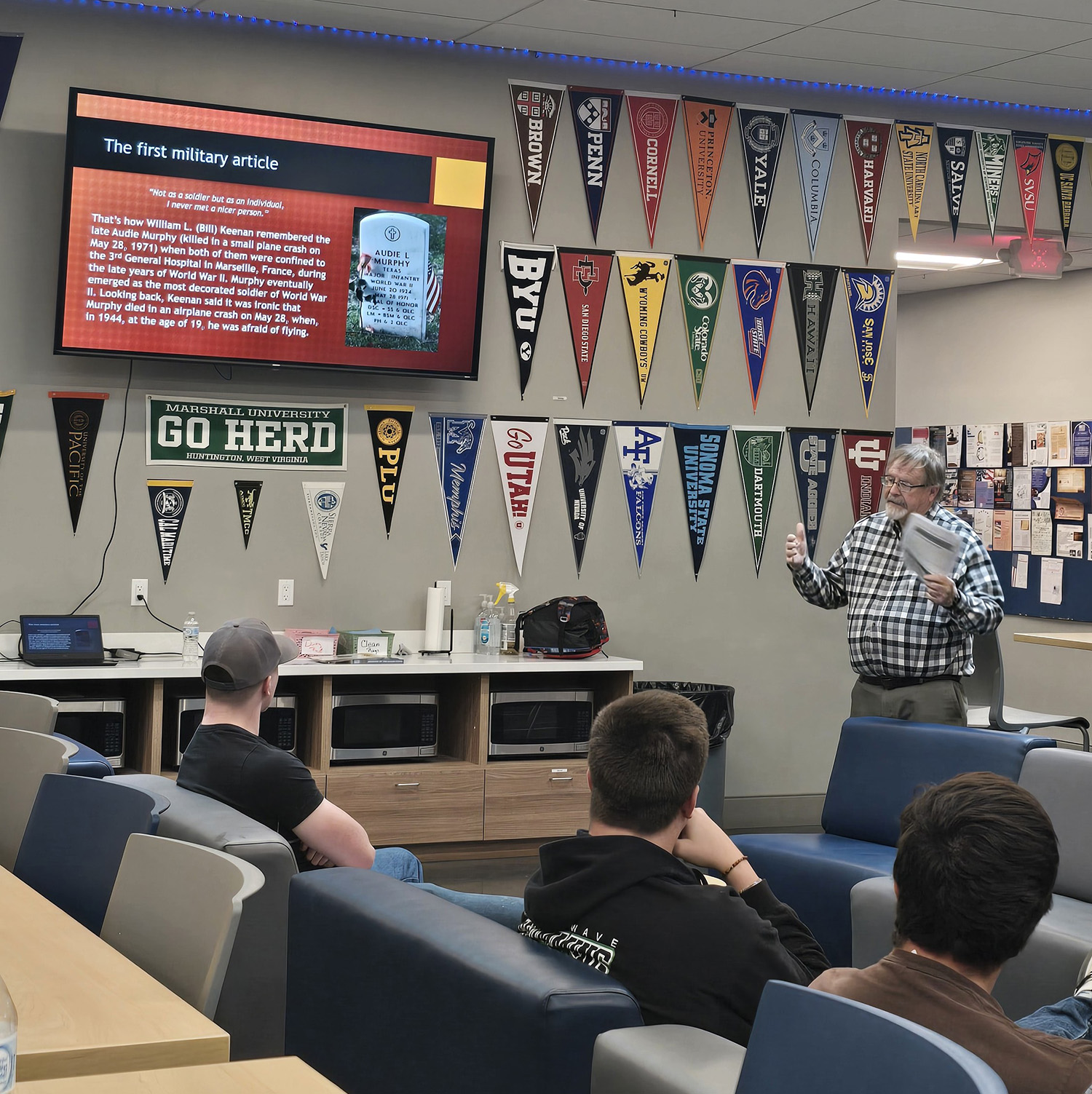
Ranson provided students with an overview of the war, but focused much of his presentation on three Nevada servicemen who were killed during the attack. The men—Eugene Gill of Wells, Richard Walter Weaver of Reno, and Eric Young of Fallon—served as powerful reminders of the state’s personal connection to a pivotal moment in American history.
By highlighting these individuals, Ranson helped students understand that historic events are not just distant stories, but are made up of real people with ties to local communities. His storytelling emphasized the sacrifice and service of Nevadans during a time of national crisis.
“Most students read about and discuss historic national events, but without anecdotal evidence tying these events to something they personally know, such as our community, they are just events from the past,” said Eric Grimes, history teacher. “Explaining how Nevada, and Fallon in particular, is tied to World War II brings meaning to history.”
In addition to discussing Pearl Harbor, Ranson spoke about the strategic importance of Naval Air Station Fallon, noting its role in military preparedness both historically and today. He explained that the installation, originally known as Van Voorhees Field, has long been valued for its geographic location and training capabilities.
The visit was part of the City of Fallon’s America 250 celebration, organized in collaboration with Mayor Tedford and the City Council to commemorate the nation’s upcoming 250th anniversary. Events like this aim to connect students and the community with meaningful moments in American history.
“Steve has a wealth of knowledge about World War II, and I appreciate that he took time in his schedule to come and address both of my classes on the historical significance of Pearl Harbor and World War II on our community,” Grimes said.
Ranson also shared his ongoing work supporting veterans. He has authored a book, “Legacies of the Silver State: Nevada Goes to War,” which focuses on veterans’ stories, with proceeds benefiting veteran-related causes and programs such as the Honor Flight Network, which provides veterans the opportunity to visit memorials dedicated to their service.
Bingo Fun Finishes National Reading Month
More than 130 students at Oasis Academy celebrated reading success during the school’s March Bingo challenge, held in honor of National Reading Month. Picture below: Ben Knight, Heston Baker, Antonio Rodriguez-Ugalde, Ronin Ansotegui, Thurman Hiskett, Conner Arritt, Kennedy Wilbanks, Natale Laca, and Aryana Tapia at Oasis Academy.
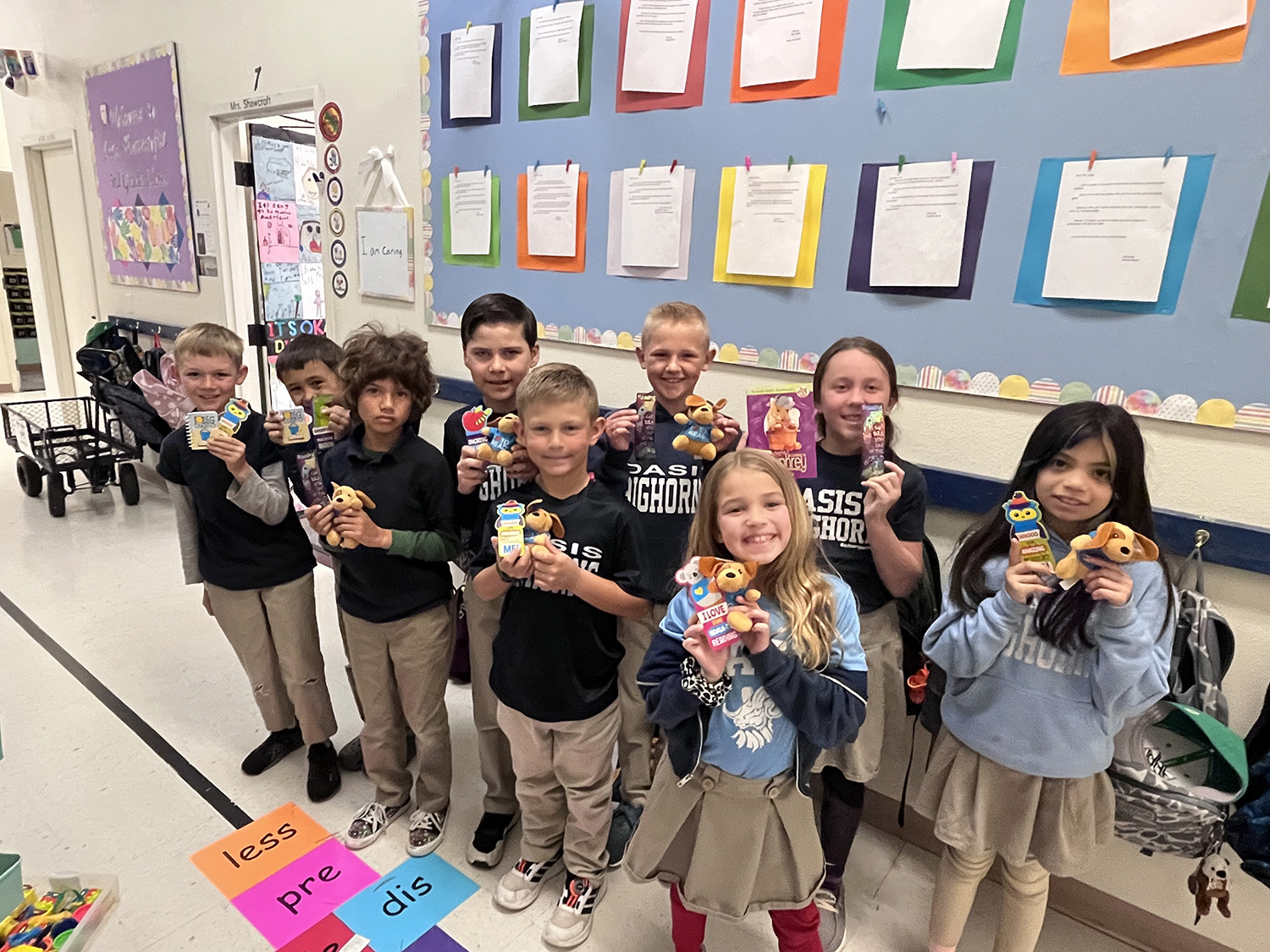
The Reading Bingo activity, organized by Reading Specialist Sara Peixoto, encouraged students to explore a variety of books and genres by completing squares on their bingo boards. Each square represented a different reading task, helping students expand their skills while keeping the experience fun and engaging. Squares included: read on a Wednesday, read in the car, read with a flashlight, read to a pet or stuffed animal, and other fun reading activities.
Students who successfully completed their bingo boards were rewarded with a visit to the prize cart, where they could choose from a variety of exciting items. The incentive added an extra layer of motivation and enthusiasm, as students eagerly worked to finish their boards.
“Creating this reading bingo board was a fun way to engage students in reading just a little more at home,” Peixoto said. “Students were excited throughout the whole month and often shared with me the different squares that they had completed. I think it’s safe to say that the bingo board made reading just a bit more fun this past month.”









Comment
Comments