
 Leanna Lehman
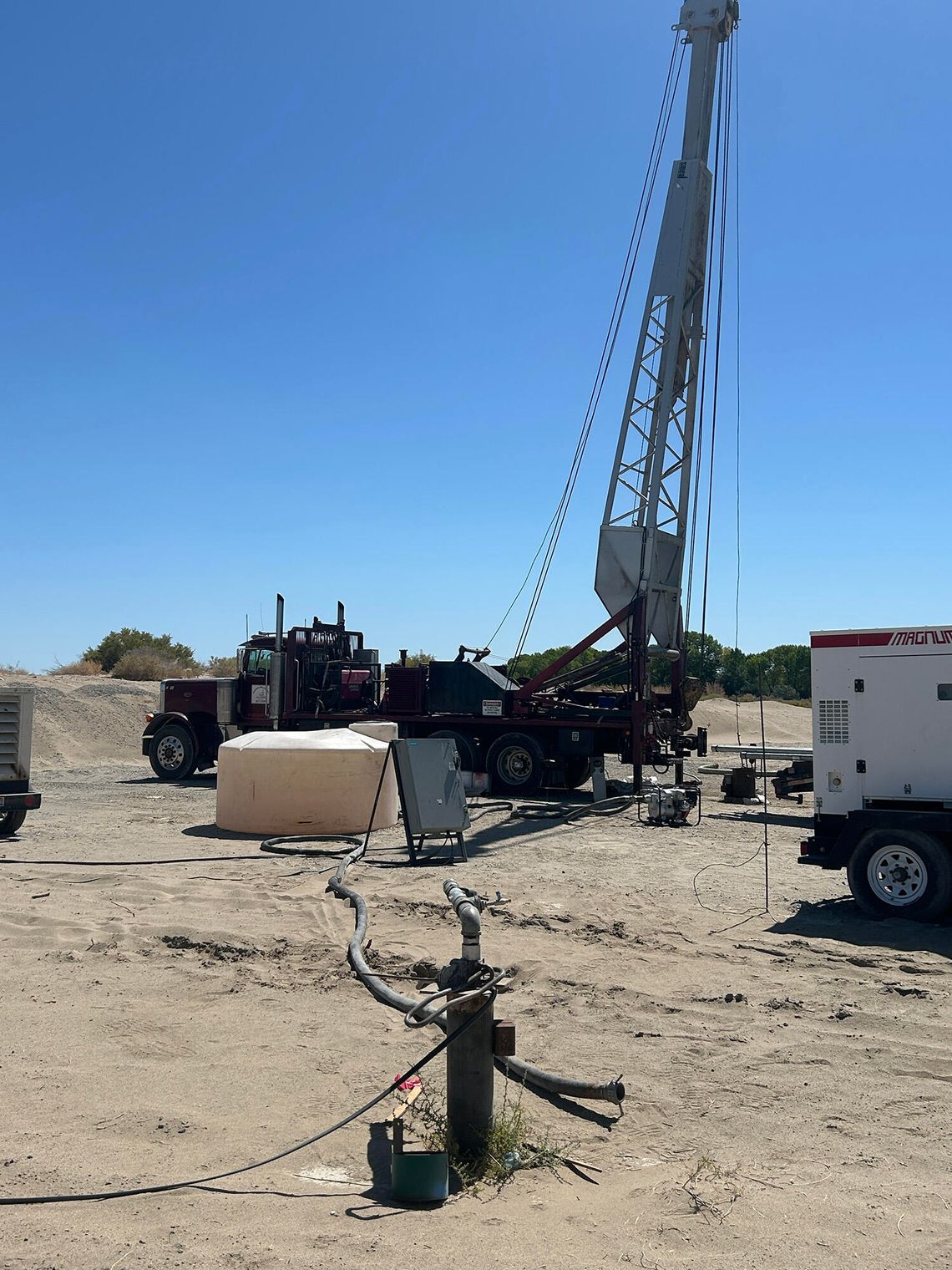
Churchill County officials are moving forward with long-term water infrastructure improvements centered around a second water treatment plant at the Fallon Golf Course.
The project, which has been in planning for several years, is designed to expand the county’s overall water capacity while also providing a critical backup system for existing water users. Once completed, the new facility will operate alongside the Sand Creek water treatment plant, allowing the county to meet increasing demand and maintain uninterrupted service during maintenance or emergencies.
County commissioners have already approved multiple components of Phase I of the project, which focuses on preparing the site and establishing a water supply for the new plant. The first phase included the demolition and removal of the unused wastewater sewer treatment plant located just south of the golf course. That work was awarded to Simerson Construction of Carson City after the company submitted the lowest responsible bid among nine proposals, at a cost of $692,500.
Another major Phase I component involves drilling two new water wells to supply the future plant. The contract was awarded to Parsons Drilling for $1,034,405. Each well is approximately 400 feet deep, with 14-inch casing for community water use.
Commissioners also approved the construction of transmission mains connecting the new wells to the plant site. A&K Earthmovers, based in Fallon, was selected as the lowest responsible bidder among four submissions, with a contract total of $2,459,095.
In addition to early construction-related approvals, commissioners authorized an amendment to the county’s design services contract with Shaw Engineering for Phase II of the project. The $925,000 amendment covers design work for the water treatment plant itself and related infrastructure.
Phase I, which included the plant design and much of the early construction, was funded through a $6 million Nevada Water Conservation and Infrastructure Initiative grant, supported primarily by federal allocations from the American Rescue Plan Act.
The Phase I work, which began in March of last year, has resulted in visible progress at the golf course site, with contracts awarded for the work in December 2024. Churchill County Manager Chris Spross reported during the June 11, 2025, county commission meeting that demolition of the abandoned sewer facility had been completed, the area leveled and fully prepared for construction, and one well had been completed. According to Churchill County Public Works Director Randy Hines, Phase I construction should be complete by the end of May 2026.
Phase II includes design work, which has been done, and construction of the water treatment plant and an associated water storage tank. At the August 27, 2025, Churchill Entrepreneurial Development Association (CEDA) breakfast, Spross noted that more funds would need to be secured to complete the rest of the project. This week, Hines said that Phase II costs are expected to come in at around $7 million. According to Hines, the county is currently working to secure those funds and plans to seek bids for the Phase II work in September and October. Construction is slated to begin in 2027, with project completion expected within 12-18 months.
Once Phase II is finished, the new plant is expected to nearly double Churchill County’s capacity to serve homes and businesses outside of city limits. The dual-system approach will also provide redundancy, allowing one treatment facility to remain operational while the other undergoes maintenance, without disrupting water service to residents.
The county has said the project is consistent with long-range planning efforts, including the Water and Wastewater Utilities Master Plan approved in January 2019. The new plant is intended not only to support existing water users but also to extend municipal water service to areas currently without access, while creating additional capacity to support future residential and commercial development.
Churchill County has accumulated water rights at both the golf course and Wild Goose Ranch over the past three decades, positioning the county to support expanded treatment and delivery without acquiring new water sources.

















Comment
Comments