 Staff Report
A simple way to support sustainability efforts in a small rural town like Fallon, Nevada, is to recycle. According to the Environmental Protection Agency, recycling offers the following benefits: conserving natural resources, reducing greenhouse gas emissions, saving energy, and reducing waste and pollution.
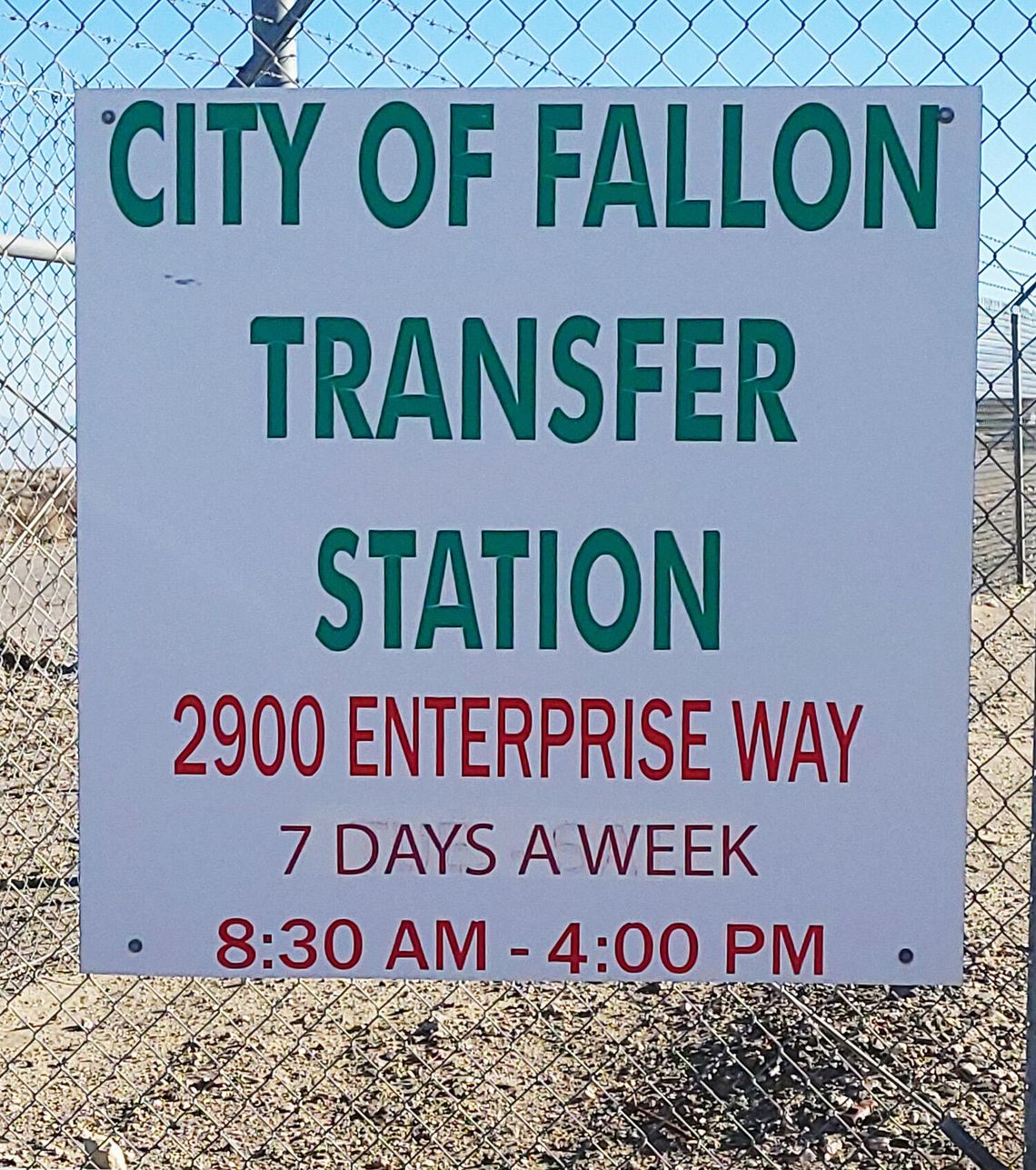
Recycling is considered the third step in sustainability, after reducing and reusing consumer items. Drop-off recycling bins are available to the community at the Fallon Transfer Station, located at 2900 Enterprise Way, on the northeast side of Rattlesnake Hill, off Indian Lakes Road, about 4.5 miles from downtown Fallon. This station is open seven days a week from 8:30 a.m. to 4:00 p.m.
Whether new to recycling or an experienced recycler, there are important things to know that make recycling easier and more effective. One common issue is “wish cycling,” the act of placing items in recycling bins without knowing if they are recyclable. This practice can lead to contamination and equipment failures, driving up the long-term cost of recycling.
To recycle properly, residents should learn what materials are accepted and how to prepare them for the bins. The Nevada Department of Environmental Protection provides clear online guidelines outlining what can and cannot be recycled in Nevada at ndep.nv.gov/nevada-recycles.
Acceptable items at the Fallon Transfer Station include books with bindings only, magazines, white paper (no junk mail), newspapers, aluminum cans, cat food cans, steel cans (tin) (no aerosol cans), colored #2 plastics, clear #2 plastics, and #1 plastics. Many containers are labeled with their recycling number.
Be sure the food and detergent containers intended for recycling are empty, clean, and dry. This extra step ensures there is no contamination during the recycling process. Simply rinse the items and store loosely to dry.
One item to avoid is plastic bags, which should not be thrown into recycling bins. These materials can disrupt the recycling process and are not accepted at the local facility. Every few feet at the Fallon Transfer Station recycling center, there are signs that read: "No black bags." If you have plastic grocery store bags to recycle, the center entrance at Walmart has a recycling bin for this purpose.
City of Fallon employees at the Fallon Transfer Station report a steady flow of community members who bring recyclable materials each day. Due to this steady participation, the station's recycling bins are emptied daily, and their contents are sent to the next processing center called a Material Recovery Facility (MRF). Waste Management operates the Eco Center Material Recovery facility in Reno, where recyclables from northern Nevada are sorted, processed, and prepared for recycling. This facility also sorts recyclables from waste streams using magnets to extract aluminum and tin, and a human sorter who extracts other recyclables. Once the materials are sorted and baled, they are sold to customers as feedstock for new products. MRFs play a vital role in the recycling process.
According to Jim Cork, Transfer Station staff, the local process is sometimes disrupted when individuals leave garbage or items that do not belong in the recycling bins. In these instances, city employees take proactive steps to remove any non-recyclable materials, ensuring that only acceptable items proceed through the recycling process. Unfortunately, if garbage is mixed with significant amounts of liquids or other contaminants, the entire contents of the recycling bin may need to be discarded, preventing those materials from being recycled.
Overall, Cork said that Fallon residents do a good job at recycling and follow guidelines well.



Comment
Comments