
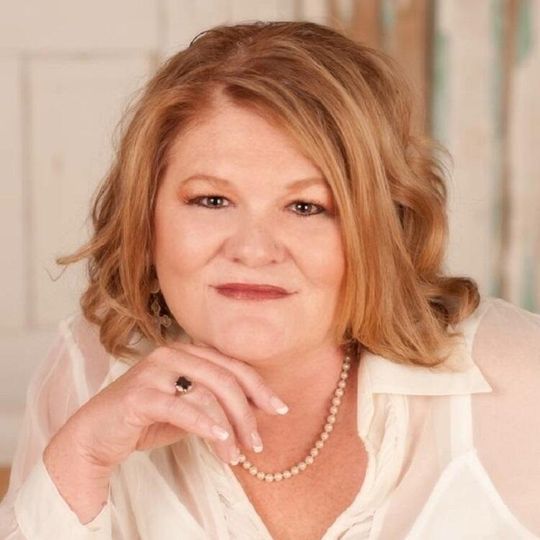
 Leanna Lehman
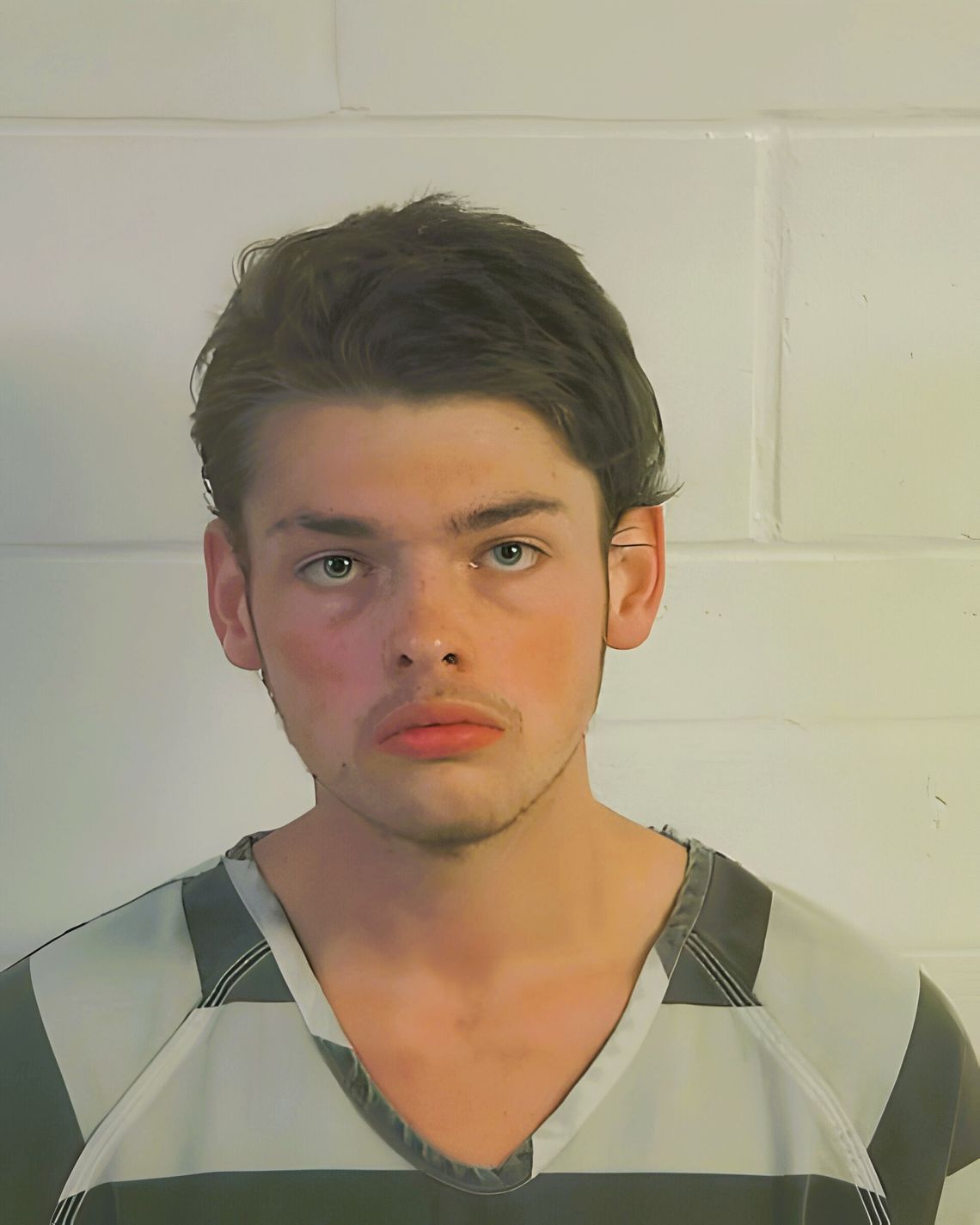
Melvyn Sanders-Hahn appeared for sentencing in the Tenth Judicial District Court before Judge Thomas Stockard on Jan. 6 for willfully poisoning or adulterating food, water, or medicine. Barely 16 at the time of his arrest, he was charged and tried as an adult for attempting to poison his mother, Ashley Farmer.
The original criminal complaint alleges that on Oct. 22, 2024, Melvyn put pesticide in his mother’s coffee and served it to her, specifically charging him with attempted murder, a Category B felony punishable by 2-20 years in prison, with a potential sentencing enhancement of 1-20 years if a deadly weapon was used.
The complaint also charged him with willfully poisoning or adulterating food, water, or medicine, a Category B felony punishable by 1-15 years. Pursuant to plea negotiations, the attempted murder charge was dropped.
In a Sentencing Memorandum filed the morning of the hearing, Churchill County Public Defender Jacob Sommer asked the court to consider probation. He explained that Melvyn was waiting for placement at Provo Canyon School, a juvenile specialized treatment facility, to receive mental health treatment, should the court consent.
Chief Deputy District Attorney Lane Mills said during an Oct. 21 hearing, “This is a troubled young man. This is not a first blush of severe and deadly thoughts in this young man's mind.” According to Mills, this was a premeditated act. He knew his mother had COVID and could not taste or smell, and he had poisoned the coffee. If it wasn't for his anxiety - not remorse, anxiety- this would be a different case.
He pointed out that such a placement would require an interstate compact with Utah. Sommer indicated his client would remain in custody until a bed date was secured and the compact confirmed. “I believe this presents a very balanced approach between justice and treatment that I think in this case is uniquely important,” Sommer said.
Sommer argued at length for probation in the memorandum. He cited differences between juvenile and adult offenders, including “the limited capacity of juveniles compared to adults and typical characteristics of youth.” He noted juveniles often lack mature judgment and impulse control, are more vulnerable to psychological and environmental pressures, and possess a heightened capacity for rehabilitation.
Sommer also referenced Melvyn’s mental health diagnoses, which included bipolar disorder, post-traumatic stress disorder, and childhood physical abuse until approximately age 11. He noted that under Nevada case law, mental illness is a substantial mitigating factor at sentencing, writing, “The circumstances of the case are proof of untreated psychiatric instability manifesting in dangerous conduct. A sentence that ignores this reality does not enhance public safety–it merely defers the risk.”
Sommer, who stated at the October hearing that the coffee Melvyn’s mother drank was tested and came back negative, and that experts said there was not enough poison, stated during sentencing that immediately after the attempted poisoning, Melvyn voluntarily walked to the Sheriff’s Office and disclosed his conduct. “His confession was motivated by a belief that he needed to help,” Sommer wrote. He added, “The fact that Melvyn’s unusual and commendable honesty led directly to charges and adult prosecution should not obscure its significance. Punishing a mentally ill juvenile’s candor with lengthy prison terms risks chilling the very behavior the justice system seeks to encourage.”
Sommer also stated that the victim, Melvyn’s mother, supported treatment over incarceration. He wrote, “Her position is informed not by natural inclinations of leniency, but by first-hand knowledge of Melvyn’s psychiatric struggles and what will actually reduce future risks.”
Sommer continued in the memorandum, “Continued incarceration without the prospect of intentional or meaningful treatment risks entrenching psychiatric harm rather than promoting rehabilitation.” During the hearing, he told Judge Stockard, “I just want to ensure that Melvyn gets the treatment that I believe he needs.”
During the hearing, CDDA Mills noted that while Melvyn did turn himself in, he did not call 911 or attempt to get his mother help before arriving at the Churchill County Sheriff’s Office.
Melvyn told Judge Stockard he would like to participate in the Provo Canyon program.
During victim impact testimony, Melvyn’s mother, Ashley Farmer, said, “Abandonment. Homophobia. Bullying. Neglect. Loving. Caring. Helpful. These are just a few of the words that describe what Melvyn has been through,” and said she never thought her son attempted to murder her.
In discussing her son’s involvement with therapists, Farmer stated, “One therapist came to the conclusion that Melvyn has dissociative identity disorder (DID), aka multiple personality disorder. However, due to his age, the psychiatrist refused to acknowledge this diagnosis with definability.”
“Melvyn is a 17-year-old boy who is loving and caring,” Farmer said. “He is not defined solely by his struggles or his actions; he is a child who has struggled immensely with his mental health and still strives for resilience and brightening up a room.”
Early in her testimony, Farmer listed the numbers 442, 10,608, 636,480, 200, and 12. She later explained her son had been in custody for 442 days with no mental health provider involvement, therapy, or proper medication management. She said he had been away from his family for 10,608 hours, missing two years of holidays and other events. She continued, noting 636,480 minutes of missed opportunities to hug her son, tell him she loves him, hear his laughter, and “feel his out-of-this-world personality.”
Farmer said there are only 200 psychiatrists worldwide who could help with a possible DID diagnosis, and only 12 in the United States. She concluded her statement by saying, “This DA is determined to nail my son as a monster, when in fact he is not. He is a big huggable bear, who just needs compassion and understanding versus judgment, which he has had too much of in his short 17 years on this earth.”
Judge Stockard granted Melvyn probation on a suspended sentence of 48 to 120 months in prison, with conditions that he obtain and follow the recommendations of a substance abuse evaluation and successfully complete the Provo Canyon School treatment program. Stockard further ordered Melvyn to immediately return to custody if he leaves or is released from the program without completing it.
“Mr. Sanders-Hahn, I wish you the best going forward,” Stockard said.














Comment
Comments