
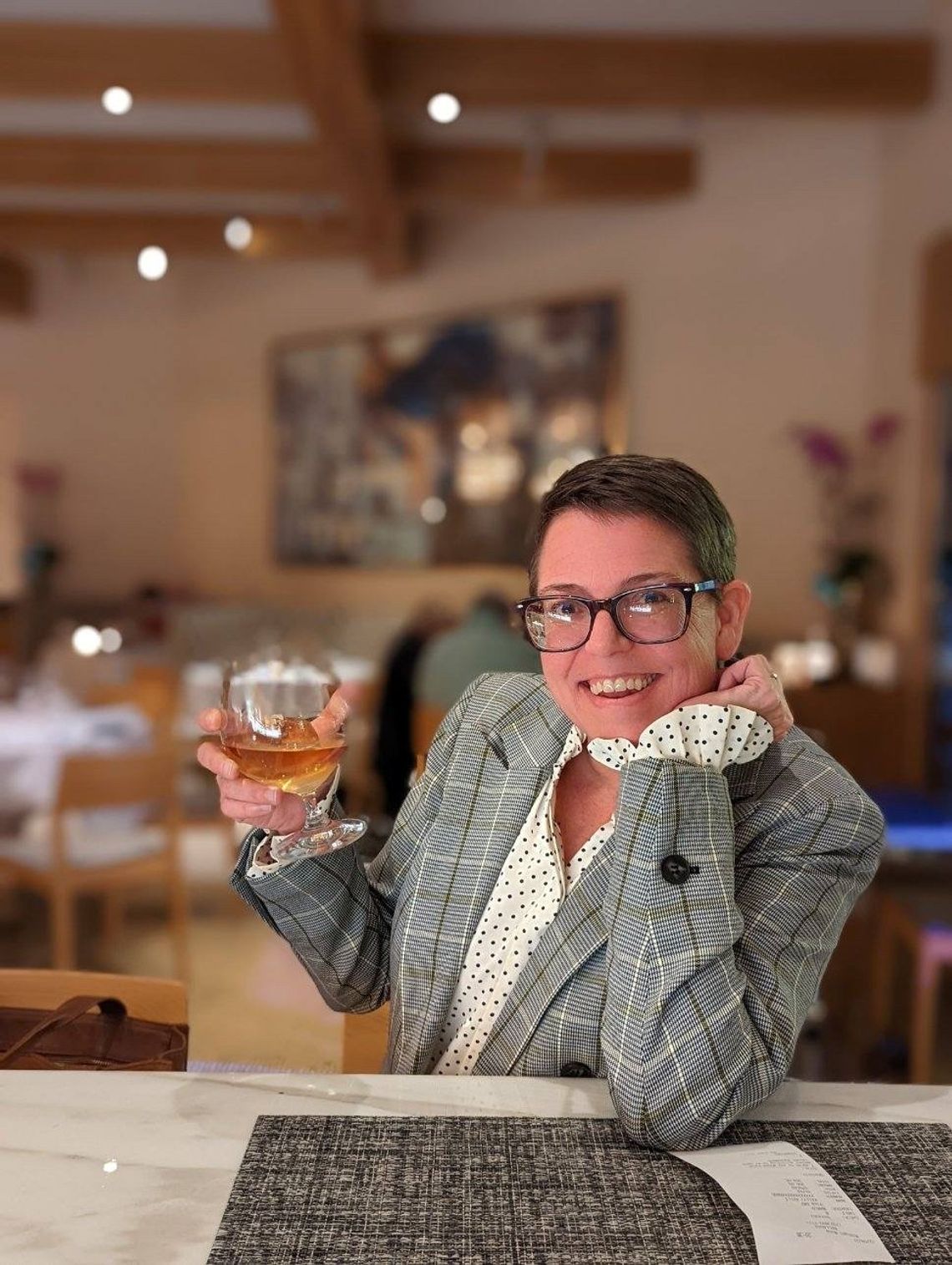
 Kelli Kelly
Every January, we are invited, sometimes loudly, to make resolutions.
Lose the weight.
Save the money.
Fix the habit.
Become a better version of ourselves by February.
I have made plenty of resolutions over the years. Some worked. Most did not. Even the ones that did came with a quiet sense of failure when life inevitably got in the way. A missed day. A busy week. A hard season.
This year, I decided to try something different: instead of making resolutions, I am setting intentions.
That shift might sound subtle, but it feels meaningful. Resolutions tend to be rigid and time-bound, often framed as pass-fail tests we administer to ourselves. Intentions feel more like orientation points. They do not demand perfection; they invite practice. An intention allows us to say: This is how I want to move through the year. Not flawlessly, but honestly.
As part of that shift, I spent time reflecting on what I want 2026 to feel like, not just what I want to accomplish. I asked myself a few simple questions.
What feels fragile right now?
What deserves more care?
Where have I been rushing instead of listening?
What do I want to still be tending a year from now?
What do I need to set down?
Out of that reflection came a word.
My word for 2026 is stewardship, not in a grand or abstract sense, but in the everyday one. Stewardship is about care, responsibility, and continuity. It is about tending what is already in your hands rather than constantly reaching for something new.
It is not a checklist. It is a compass.
Some days, stewardship might look like saying no to one more commitment. Other days, it might mean staying late to finish something that matters. Cultivating what endures asks a longer question: Will this still matter in five years? If not, maybe it does not need all of today’s energy.
This time of year is often framed as a reset, a clean slate. But hope works better when we treat it as a practice, not a feeling. Hope is not just optimism. It is the quiet decision to keep showing up. It is choosing to invest care even when outcomes are uncertain. That is one reason I keep coming back to cooking as a metaphor for hope.
When you cook for someone, you are making a small bet on the future. You assume they will be there to eat the meal. You trust that the effort matters. You turn simple ingredients into something nourishing, even though the dishes will need washing, and tomorrow you will be hungry again. Cooking is repetitive. It is imperfect. It does not solve everything. And yet, it is deeply hopeful.
So is tending a garden in winter.
So is mentoring a young person.
So is sticking with a community through hard seasons.
If resolutions have left you feeling discouraged in the past, I invite you to try something gentler this year. Instead of asking, "What do I want to fix?” try asking, “How do I want to show up?” Instead of setting a rule, try naming an intention. You do not need to choose the “right” word. You need one that feels like it can walk with you through the year, meeting you where you are on both the good days and the hard ones.
If you are looking for a tangible way to begin the year, I recommend starting with a pot of soup. Not a rushed one. A slow one. Something that simmers while the house fills with warmth—a simple chicken and rice soup. A lentil soup with onions and garlic softened patiently in olive oil. A vegetable stew built from whatever is left in the fridge. Soup is forgiving. It improves with time. It makes enough to share or to save for later.
I do not know what 2026 will bring. None of us do.
But I do know this: intentions give us room to grow without the constant threat of failure. They let us return, again and again, to what matters without shame for having wandered.
So instead of resolving to be better, I am intending to be more present.
More thoughtful.
More deliberate in what I care for and what I let go.
If that intention leads to a fuller pot, a stronger table, and a little more hope in the year ahead, that is a pretty good way to begin.








Comment
Comments