
 Rachel Dahl
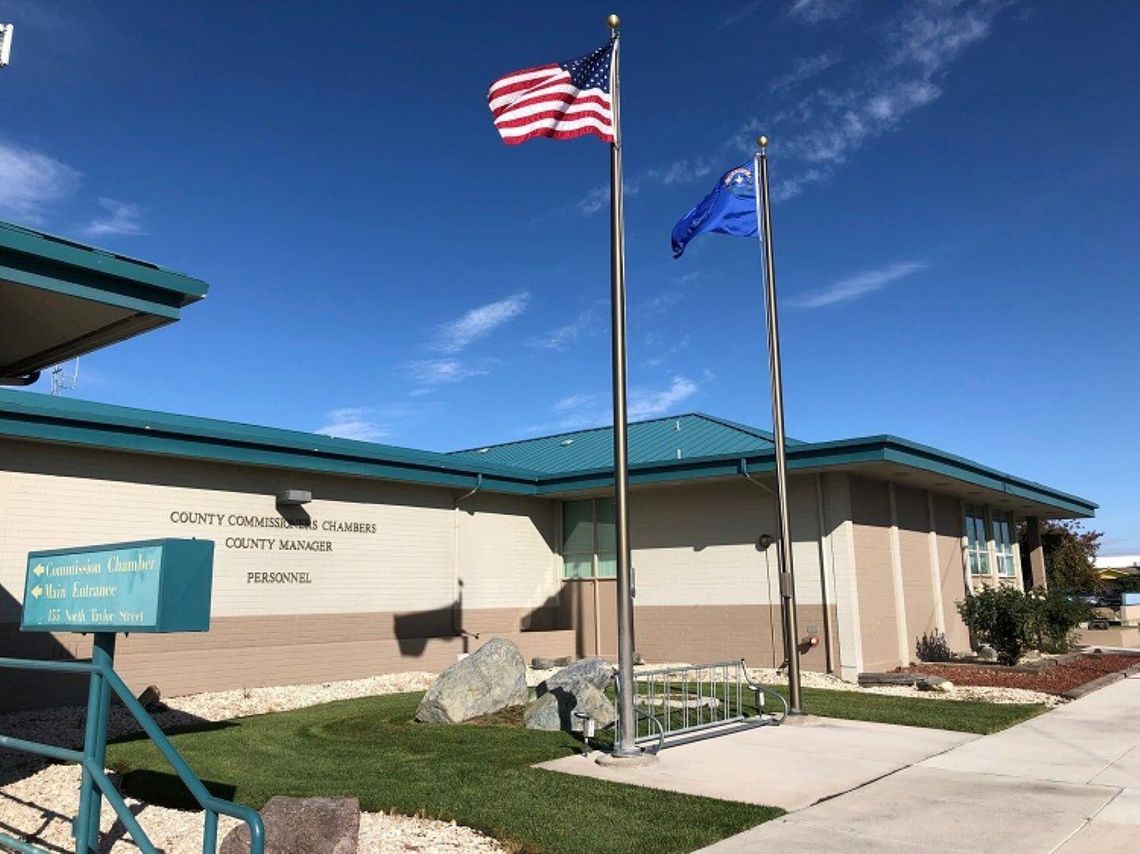
The Churchill County Planning Commission met Dec. 10. It approved multiple land use actions, including parcel maps, special use permits, and significant zoning changes tied to the county’s newly adopted industrial zoning framework. The meeting also included follow-up compliance reviews on previously approved permits, discussion of enforcement timelines, and routine commission business.
The commission unanimously approved a modification to a previously granted special use permit for K & K Ranch, LLC, allowing the addition of domestic livestock meat processing at a home-based business located at 600 Howard Place.
Owner Nathan Koyama received approval in July 2025 to operate a wild game processing business from an existing 480-square-foot garage, subject to strict conditions prohibiting domestic livestock, slaughter, or retail sales. The amended permit expands the operation to include processing of cows, pigs, goats, and sheep while maintaining all prior conditions, including appointment-only service, limited hours, waste-handling requirements, and no on-site slaughter.
Koyama told the commission that the expansion would not increase traffic or neighborhood impacts, noting that domestic livestock requires longer hanging and aging times, resulting in fewer customer visits. He estimated the facility could process approximately 26 cattle per year, handling only one animal at a time. Staff reported no complaints from neighboring property owners, and commissioners noted the business had operated quietly since its original approval.
Commissioners voted unanimously to recommend approval of a zone change for a 640-acre property near Trinity Junction, rezoning it from Rural Resource (RR-20) to Heavy Industrial (I-3) to accommodate a proposed explosive storage and distribution facility.
The application, submitted by the Amborski Family LLC, aligns with recent updates to the county’s industrial zoning code, which established tiered industrial districts to separate high-impact uses from residential areas. While the parcel totals 640 acres, only approximately two acres would be developed, with the remainder serving as a safety buffer.
Planning staff noted the site’s remote location, proximity to transportation and power infrastructure, and consistency with the county’s industrial master plan. Commissioners acknowledged concerns about flash flooding and access roads, but were satisfied that the proposed facility location mitigated those risks. Final approval will rest with the Board of County Commissioners.
The commission also unanimously recommended approval of a zone change for more than 3,100 acres in the 40 Mile Desert area to support future solar development.
SEUS Development LLC requested rezoning seven parcels from RR-20 to Heavy Industrial (I-3), a change that would streamline permitting for a proposed solar and battery energy storage project. Planning staff explained that under recent code updates, solar projects in I-3 zones may proceed through a conditional zoning permit rather than a special use permit, reducing regulatory hurdles.
The proposed project would include approximately 240 megawatts of solar generation and 240 megawatts of battery storage, with access from the I-80 Nightingale interchange. Representatives said construction could begin as early as late 2026, pending federal approvals, particularly from the Bureau of Land Management. Commissioners agreed the project fit squarely within the county’s long-term industrial planning strategy.
In commission business, members elected Tammy Edgmon as chair and Jeff Goings as vice chair for the 2026 term, following nominations and votes among commissioners.
The commission also approved its 2026 meeting schedule, with a modification shifting the November meeting to Thursday, Nov. 12, to accommodate the Veterans Day holiday. Staff noted that the commission maintains the flexibility to adjust meeting dates as needed throughout the year.



















Comment
Comments