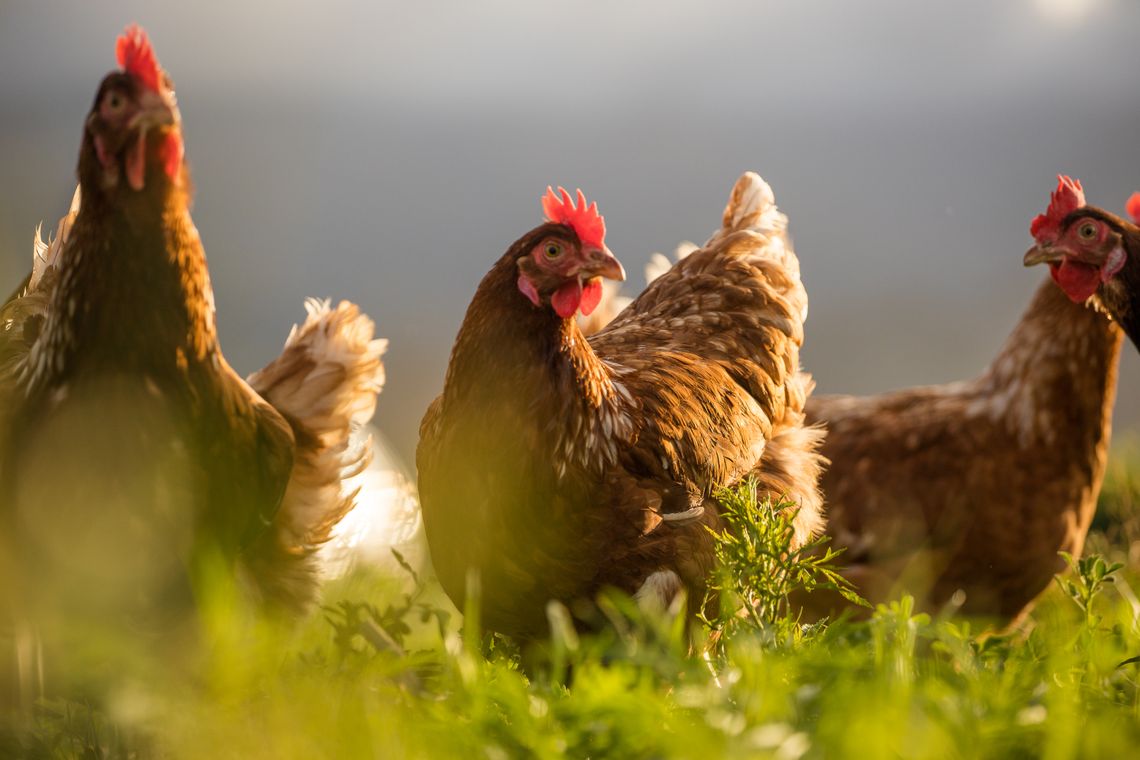
The Nevada Department of Agriculture (NDA), working alongside the U.S. Department of Agriculture (USDA) Wildlife Services, is taking additional precautions to limit the spread of avian influenza. Dairy farms in Nye and Churchill counties have been placed under quarantine following detections of Highly Pathogenic Avian Influenza (HPAI). Further testing by the USDA National Veterinary Services Laboratory is underway to confirm the strain found in Churchill County. Preliminary results suggest it is similar to strains previously detected in wild birds across North America.
“The challenge with this virus is that it can spread in multiple ways—through contaminated clothing and shared equipment, as well as by infected birds transmitting it to domestic animals and livestock,” said NDA Director J.J. Goicoechea, DVM. “It’s critical that we all take biosecurity seriously, keep equipment clean, and follow best practices to help stop the spread.”
To track how the virus is moving, the USDA Wildlife Services will begin testing wildlife for HPAI. Meanwhile, the NDA is already conducting surveillance on milk silos to detect the virus early, as part of the National Milk Testing Strategy.
One major concern is the role of non-native European starlings, which gather in large numbers and can contaminate food and water sources for livestock. To reduce this risk, the NDA and USDA Wildlife Services will begin targeted removal of starling populations in Churchill, Pershing, and Lyon counties. These birds have been known to contribute to the spread of HPAI, salmonella, E. coli, and other diseases that threaten animal health.
If residents come across dead or dying birds due to the removal efforts, Wildlife Services advises using single-use gloves for handling and disposing of them in the trash. While the pesticide used in the removal process is not harmful to pets, the NDA recommends keeping animals away from the birds as a precaution against HPAI. There is no need to report dead birds, but those unable to dispose of them can call the USDA at (775) 851-4848 and provide the location for assistance.
The Centers for Disease Control and Prevention (CDC) states that the risk to humans remains low, and the NDA is working closely with state and county health officials to monitor the situation.
“Our top priority is protecting both public and animal health,” Goicoechea said.
As a reminder, dairy and meat products remain safe to eat when cooked to the proper internal temperatures. The USDA has confirmed that pasteurized milk does not transmit the virus to humans. Raw milk, which is illegal in Nevada, is not recommended. For more food safety information, visit foodsafety.gov.





Comment
Comments