
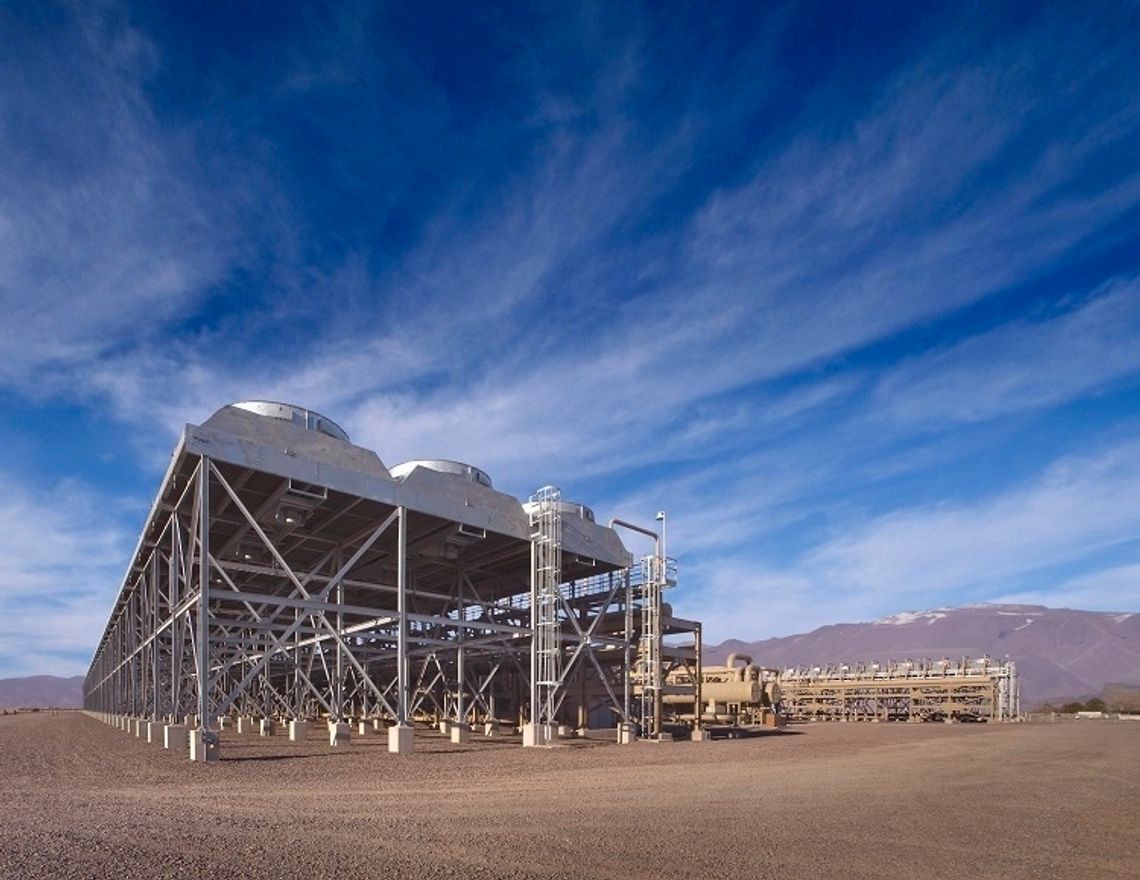
This is a continuation of the commentary provided by DeBerry in Part 1, which can be read at:
https://www.thefallonpost.org/news/2746,commentary-a-series-on-renewable-power-generation-part-1
The process to balance the generation and load in real-time is a daunting task that starts many days in advance (and arguably years). Over that period, many load and generation profile forecasts are developed. As the operating hour approaches, weather and generation availability forecasts become increasingly accurate. The load is forecasted for each hour of the day and generation is selected to balance the load for each hour. An evaluation of all generation is conducted to determine available generating units, units with limitations, and units that are out of service for maintenance. Operating characteristics such as how a generator responds to system events and the time needed to start-up is also considered to ensure that critical generating plants are on-line. The load and generation profiles are inserted into a very detailed transmission system model. Many thousands of transmission system contingencies are conducted with this model for each hour of the day prior to the operating hour and are also done during real-time operation. This analysis indicates if there are system stability, high or low voltages, or equipment overload issues and is another factor that determines which generation is selected for that interval of time. There is an enormous amount of work done to ensure that the transmission system can survive many unexpected events and be operated reliably every hour of the day even if critical equipment or generation is unexpectedly lost. Most power outages result from issues in the local distribution system rather than issues on the transmission system.
In a traditional electricity market structure, most of the generation is owned by the utility. There may be contracts with other entities, but the dispatch of generation is determined by utility operators. In this type of electric market system, the dispatch of generation is a familiar process. Plant operating costs are considered, and system operators have learned by experience which plants to run during different operating conditions to ensure the reliability of the system. Large fossil-fueled, nuclear, and some geothermal and hydro-electric power plants are considered baseload plants and are typically selected first, regardless of the cost to operate them. These plants are efficient and economical if they can be run at a set level near their maximum output uninterrupted for a long period of time. Some of these plants may have very long start-up times and may have limited operating flexibility. Other types of generation are then selected to meet the shoulder load period at the lowest cost. This generation may be more operationally flexible than baseload generation and may include hydro-electric, some natural gas plants, and various other types of generation. It may also include renewable resources such as wind, solar and geothermal plants that are not operationally flexible. Finally, the least cost-efficient plants, that can start-up very quickly, such as natural gas combustion turbines or diesel generators may run during peak load periods if they are needed. This period may typically occur from 30 minutes to a couple of hours.
In addition to providing the capacity to serve load, generation also provides ancillary services. This type of service includes operating reserves and regulating reserves. Operating reserves are determined from the most severe contingency that results in the largest loss of generation (or load-serving capability) for a balancing area. Half of the operating reserve is called spinning reserve. This includes generating units that are on-line and have extra capacity to make up for unexpected losses of generation. The other half is called non-spinning reserve. This is made up of generation that is off-line and can be started up within ten minutes, but it can also include on-line generation with extra available capacity. Regulating reserves are typically provided by larger on-line generating units that can operate efficiently within a suitably wide operating range. This generation can increase or decrease output to balance load and generation within the hour to maintain frequency. Most renewable resources (except hydro-electric and some geothermal units) cannot provide ancillary service because the amount of wind or sunlight cannot be controlled. However, battery storage is a technology that is expected to play an increasingly larger role in providing ancillary service in the future. The idea is to use cheap solar and wind generation to charge the batteries so that they can be discharged as needed. Battery storage facilities can be used to provide the capacity to serve load or to provide ancillary services.
Part 3 will look at the operating reserve requirements necessary to ensure generation throughout the system.















Comment
Comments