

Pointing across Nevada's high desert, fifth-generation Fallon rancher Justin Snow identifies the winter grazing land his family is losing to the Navy's Fallon Range Training Complex expansion at Naval Air Station Fallon.
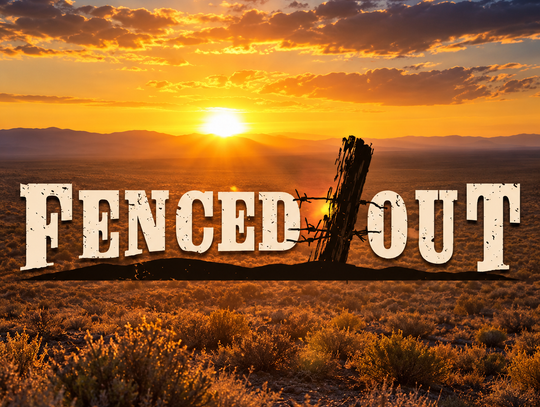
“This is our winter grazing allotment here. The Navy is taking it. Yet we're making a payment on a ranch that we can't use,” Justin says in the opening scene of “Fenced Out,” a documentary filmed by Consider It Done Productions & Launch Velocity in Reno.
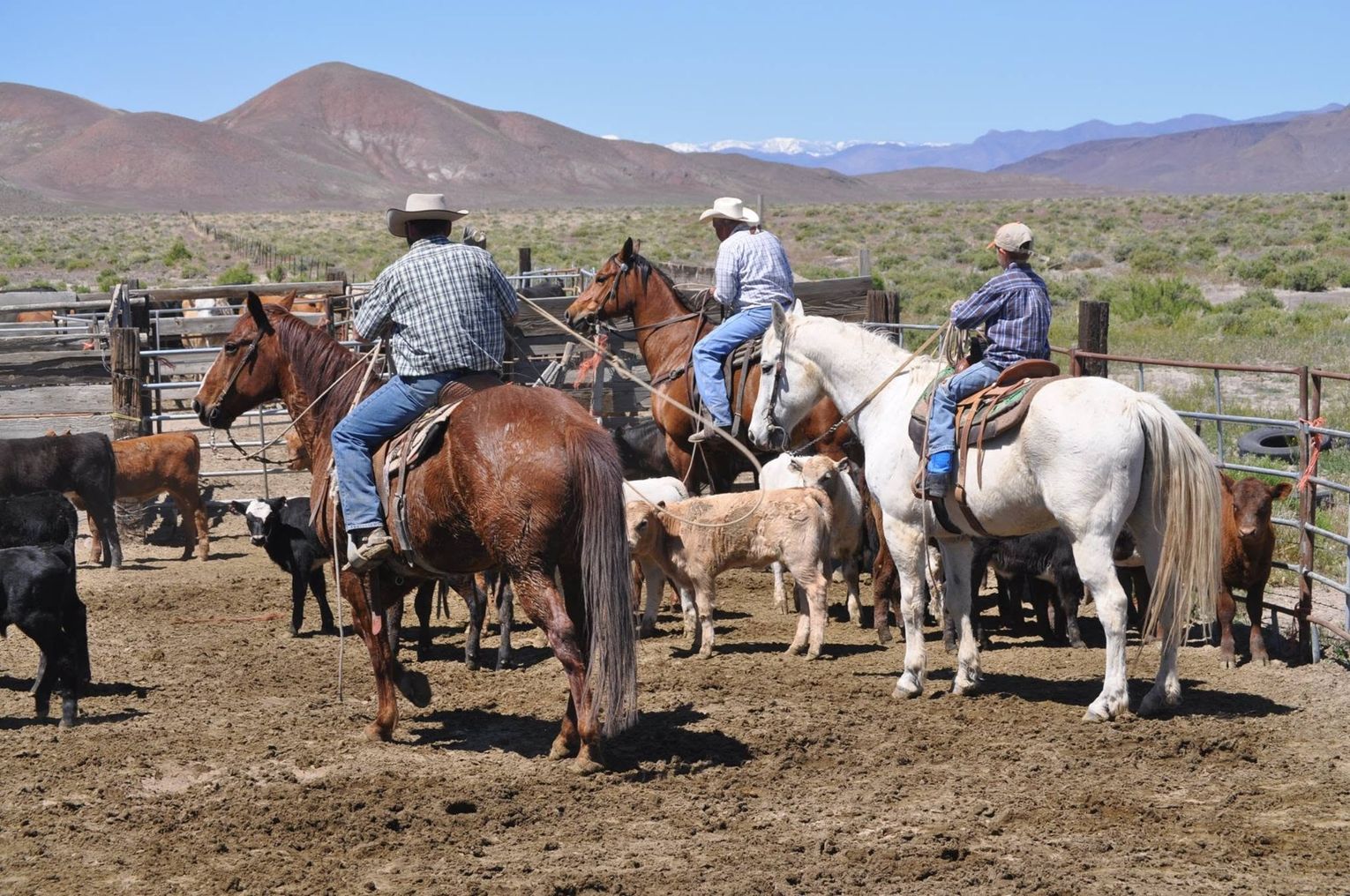
The couple has already sold two-thirds of a cattle herd the Snow family has spent nearly 20 years building. They say the Navy's compensation offer fails to account for what losing winter range means to the rest of their operation. Justin and his wife, Adrienne Snow, hope that “Fenced Out” will help call attention to what some ranching families are facing in Northern Nevada.
In December 2022, Congress authorized a 558,535-acre expansion of the Fallon Range Training Complex through the Fiscal Year 2023 National Defense Authorization Act. The legislation included provisions addressing grazing losses, but Justin and Adrienne say the Navy's valuation fails to account for the full economic impact on affected ranching operations.
The ranch, located in Fallon, was purchased by Justin and Adrienne from Justin’s dad, Gary Snow, who started the operation in 1979 after moving to the area from Bakersfield. The ranch has always relied on winter grazing allotments on federally managed land. Their Lahontan grazing allotment covers approximately 78,000 acres, and Horse Mountain, which is leased through another ranching operation, is less affected. However, Lahontan withdrawal alone encompasses over 30,000 acres, including the best forage, as well as corrals and water wells.
Some grazing land remains outside the withdrawal, but reaching it requires a 120-mile round trip from ranch headquarters instead of the previous eight-mile trip. An alternative allotment near Mina, more than 100 miles away, lacked adequate forage and water, Justin said, and wild horses compete for what was available. “This ranch is irreplaceable because it's five miles from our headquarters,” he said.

From November through March, winter range provides feed for the cattle while the family grows hay on approximately 180 acres of farmland. Losing access has forced them to lease more expensive pasture in Genoa and California, as well as buy additional feed. Eventually, they began selling cattle. “We have had to liquidate a herd that has taken the better part of 20 years to build,” Adrienne said.
The Navy maintains it has offered a lump sum based on a loss valuation spread over 100 years. According to the Navy, the valuation follows a four-step process addressing losses in permit value, forage value, improvements,' and business value.
Naval Air Station Fallon Public Affairs Officer Gavin Graham said the Navy recognizes the disruption the expansion has caused ranching families and is committed to treating affected landholders fairly and respectfully during the transition.
Justin and Adrienne say the compensation offer amounts to approximately $14,000 a year before taxes and outstanding financial obligations. Further, the proceeds do not replace the income and grazing capacity they have lost, much less the long-term projected losses.
According to Adrienne, a forensic economist hired by the family traced the Navy's cattle valuation to a Cooperative Extension report published in 2018, apparently using figures from 2017 or earlier.
She said the Navy assigned a value of $697 per animal. However, Nevada livestock prices put a 500-pound steer at approximately $2,500, or about $5 a pound. That is a difference of $1,803 per animal, which she believes illustrates how far the Navy's calculations are from the family's actual losses.

The dispute goes beyond cattle prices. Ranchers do not own the federal land they graze, but their grazing privileges have economic value and are connected to their privately owned ranches, financing, and improvements.
Adrienne argues that using federal grazing fees to value those losses is like determining the worth of a home from its annual property tax bill rather than the property itself. “This is not a standard transaction,” Adrienne said, explaining that the issue is multilayered and complex beyond how the Navy arrived at its valuation.
The couple has taken its concerns to Washington, working with U.S. Sen. Jacky Rosen's office and advisers to U.S. Department of Agriculture Secretary Brooke Rollins. Adrienne said the USDA advisers met with Navy officials and found a fundamental misunderstanding about ranchers' property interests.
“They have operated up to this point under the belief that what we own... wasn't owned at all, rather given to us by the government and therefore could be taken away,” she said.
Adrienne said federal officials are beginning to ask more informed questions, although the compensation dispute remains unresolved. The couple supports the military's training mission but wants compensation that reflects the full impact on the ranch.
The fight has consumed years of research, consultations, and legal preparation, alongside the work of running the ranch and raising three sons. Justin and Adrienne want them to have the choice to carry on the family's ranching tradition.
The Snows believe the Navy and Department of Defense aren’t seeing the whole picture. “That's what these guys don't understand,” Justin said. “The generational and the heritage of these ranches.”

They hope “Fenced Out” will help other Americans understand the stakes as more ranchers face grazing losses from the expansion. Yet some losses cannot be recovered. Asked what the family had already lost that no settlement could restore, Adrienne answered, “Time.”
Justin spoke of missing his sons' sporting events and other childhood moments because ranching already demands so much of him. The years spent fighting the Navy have taken even more.
Asked how much time the struggle had consumed, Justin answered, “Ten years' worth.”





Comment
Comments