
 Staff Report
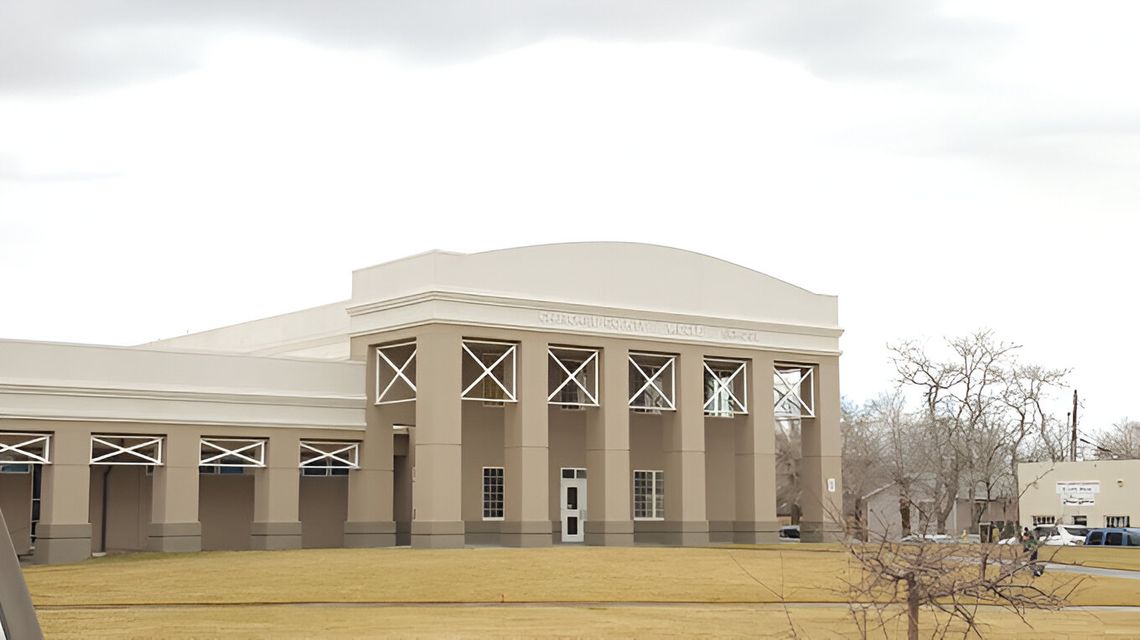
Churchill County School District trustees approved a $70,000 strategic planning contract Oct. 20 after reviewing Nevada Department of Education school accountability results showing most district students fell short of state standards in math and English language arts.
Districtwide, 21% of students met math proficiency standards in 2025-26, and 28.6% met English language arts standards. Math proficiency increased slightly from 20.5% the previous year, while English language arts proficiency declined from 30.5%.
Those districtwide averages combine results across schools. Churchill County High School improved in both subjects, while elementary and middle school English language arts proficiency declined.
Trustees unanimously approved the agreement with Watershed Advisors LLC to guide development of a district strategic plan. They also accepted $73,340.22 in grant funding through the Nevada Education Service Center to cover the consultant and related expenses without using district general fund money.
Superintendent Blake Cooper said the achievement results would establish a starting point for an upcoming board retreat and strategic planning. He acknowledged substantial room for improvement and said responsibility for student achievement extends throughout the district.
Assistant Superintendent Michael Walker presented state assessment results, school accountability ratings, and fall assessments used to identify student needs and guide instruction.
At Churchill County High School, math proficiency rose from 7.6% to 16.5%, while English language arts proficiency increased from 28.3% to 48.9%. Despite those gains, fewer than one in five students met math standards, and fewer than half met English language arts standards.
Combined elementary math proficiency increased from 25.9% to 26.1%, while middle school math proficiency rose from 15% to 16%.
English language arts results moved in the opposite direction at those levels. Combined elementary proficiency fell from 34% to 31.7%. At Churchill County Middle School, it declined from 26.9% to 25.4%.
Walker said districtwide math proficiency has remained near 21% for several years and that instruction needs to improve.
The middle school and Numa Elementary School also recorded declines in their overall accountability index scores. Those scores incorporate multiple measures and are separate from subject proficiency rates.
Science proficiency increased in fifth grade but declined in eighth grade and high school, Walker reported.
Walker said typical annual growth will not be enough for many students who are already behind. Teachers are working toward greater gains to help those students catch up.
The district’s response includes professional development in the Science of Reading, an approach to research-based literacy instruction, at Lahontan and E.C. Best elementary schools this semester. Training at Numa is scheduled to begin in January.
Math teachers have also been planning lessons together, observing instruction, and discussing changes to help students develop stronger problem-solving skills.
Trustees questioned how the district is evaluating its reading curriculum and supporting teachers in using it. Walker acknowledged difficulties with training and implementation of the Savvas curriculum.
He said the district has heard fewer complaints about the curriculum this year. Teachers and principals, however, continue to face time pressures as they balance professional development, lesson preparation, and classroom instruction.
The strategic planning process calls for a review of district performance and budget data, stakeholder interviews, and classroom visits from October through December.
From January through March, the district and consultant will identify priorities, goals, and measures of progress, including a working session with trustees. A draft plan will follow in the spring, connecting spending to district priorities and outlining the first year of implementation.
The agreement calls for presentation and board adoption of the completed plan by June 30, 2027.
Cooper said staff reviewed presentations from two companies before recommending Watershed, which they believed better matched the needs of a rural district. He also cited its work with the Nevada Department of Education on the District Performance Framework.
The grant includes $70,000 for Watershed, $900 for participating educator stipends, and $2,440.22 for travel and workshop expenses.





Comment
Comments