
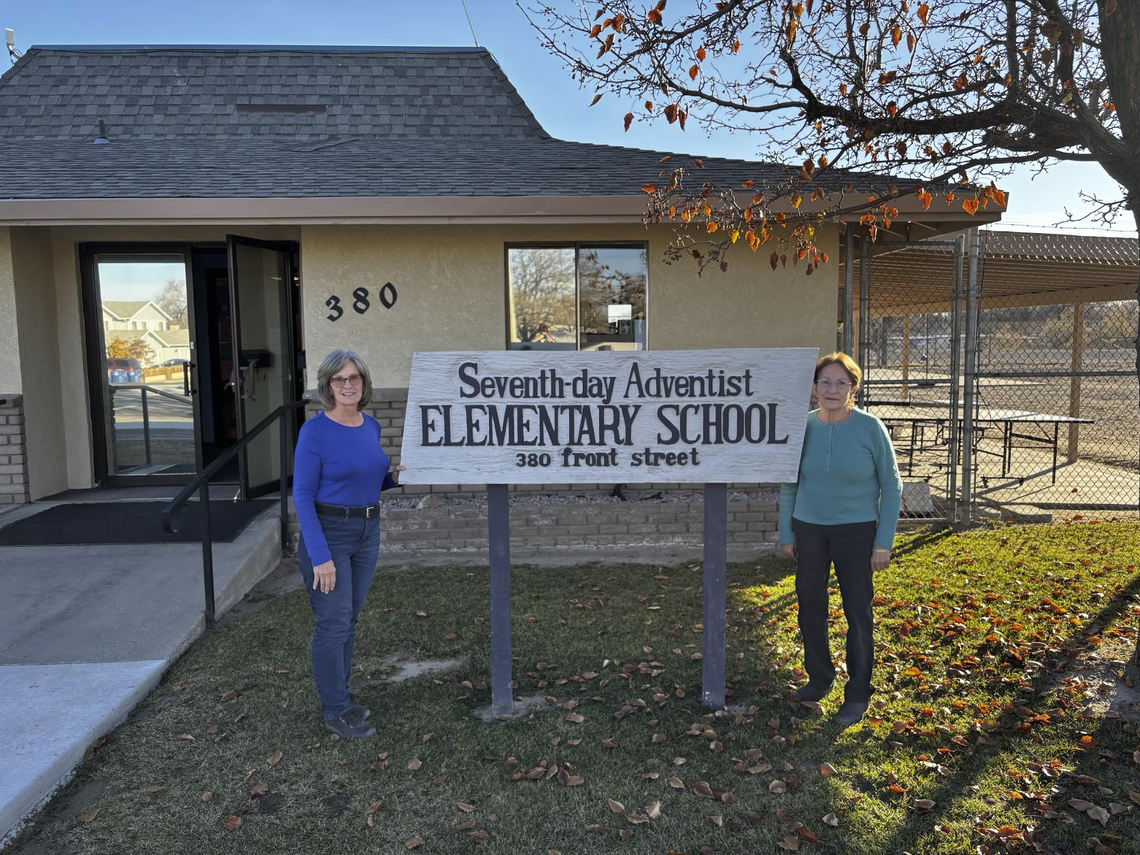
The Seventh-day Adventist Elementary School in Fallon will be hosting a Christmas program at 11 a.m. on December 20. Students have written three plays that they will perform, each focusing on events leading up to and surrounding the birth of Jesus. In addition to the plays, the event will feature a chimes performance. This special program is open to the public, and all community members are welcome to attend the show and enjoy a potluck afterward. For those unfamiliar, the Seventh-day Adventist Church is a Christian denomination that observes the seventh-day Sabbath and believes in the second coming of Jesus.
The Seventh-day Adventist Elementary School in Fallon, Nevada, is the state's oldest private school, in continuous operation since 1905. The church plays a vital role in supporting the school and ensuring its ongoing success. The school maintains accreditation through the Adventist Accreditation Association and the National Council for Private Schools, and all teachers are fully licensed and certified.
According to Wanda Brimmer, the school's teacher, several factors make the institution unique. The school operates as a one-room schoolhouse, serving students in grades K-8. In addition to standard academic subjects, students participate in extra activities such as cooking, community service, music, and art. Many students are currently learning to play the ukulele together, fostering both musical skill and camaraderie.
The school's motto is to “raise loving followers of Jesus.” Each day begins with morning worship, and students are offered Bible study that is tailored to their age level. Ms. Brimmer explains that one of the school's primary goals is to “serve the spiritual, the academic, and the social needs of the children.”
The school stands out for its academic performance. Students are assessed using the MAPS (Measure of Academic Progress) system three times a year. This quarter, the students achieved the second-highest overall scores in the entire Nevada-Utah conference, with their strongest results in science. To encourage students before testing, Ms. Brimmer has each student sign a contract with her, agreeing to work hard and avoid procrastination. As a reward for their effort, the class enjoys a party.
Another motivational strategy Ms. Brimmer uses is having students create personalized “I Can” statements. When students achieve a specific goal outlined in their statements, they celebrate one another's successes, fostering confidence, pride, and a sense of accomplishment.
The broad age range of students means the school day is structured differently from that in public schools. Collaboration is emphasized: when the teacher focuses on one age group, other students often help one another with their work. This system gives older students a sense of achievement and helps younger students feel successful, reinforcing a strong sense of community throughout the school.











Comment
Comments