
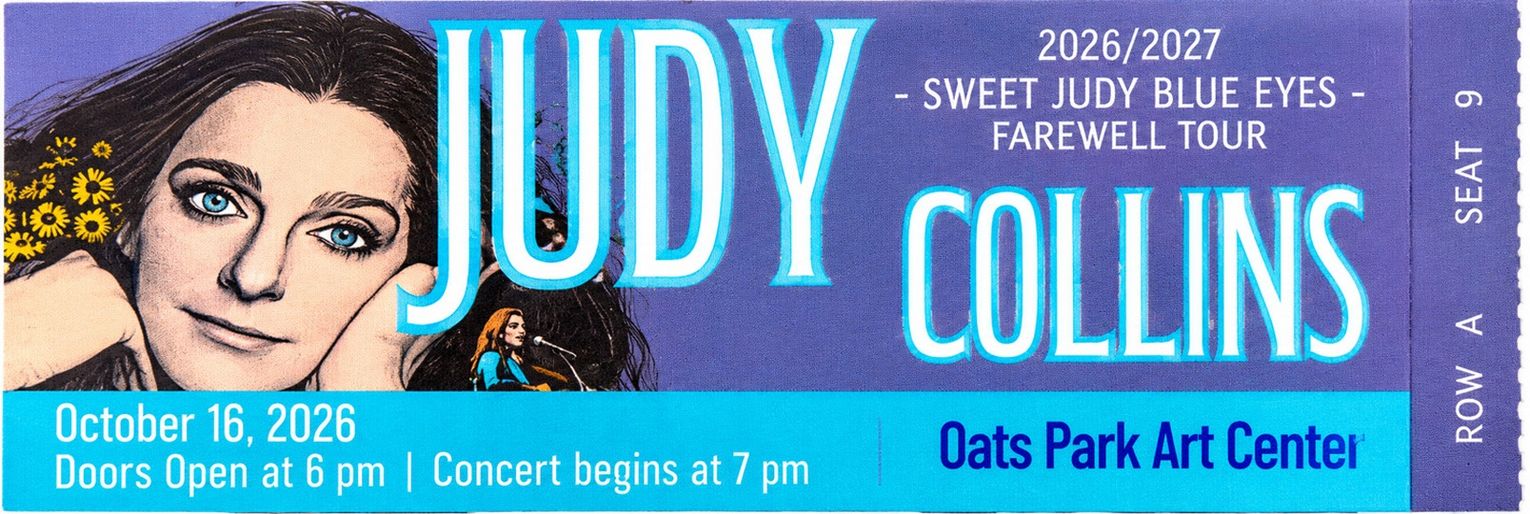
A multigenerational crowd gathered at the Barkley Theatre in Fallon on Friday, Oct. 16, to hear legendary folk singer Judy Collins on her “Sweet Judy Blue Eyes” farewell tour. For some, it was an opportunity to hear a musical icon. For others, it was a chance to revisit the songs and memories of a lifetime.
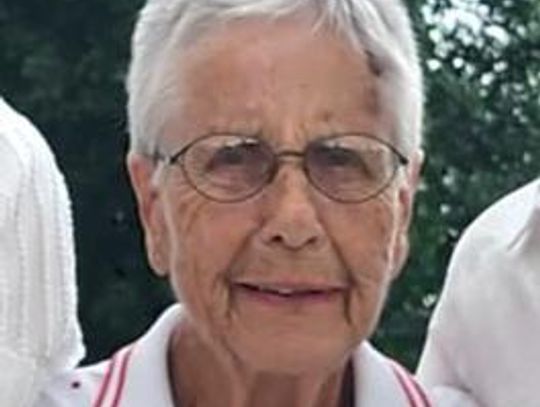
Among the longtime fans was Dr. Doris Dwyer, a supporter of the Churchill Arts Council and a major sponsor of the concert. Dwyer brought along her well-worn Judy Collins albums, which Collins personally signed for her that evening.
Retired teacher Anne Bloomfield came alone, explaining that the first cassette tape she ever purchased, back in the early 1980s, was a Judy Collins recording. She wasn't about to miss the opportunity to see her favorite folk singer.
Mary Koch recalled seeing Collins perform at an outdoor concert in Massachusetts during the summer of 1989. She was staying in Newburyport at the time, although she couldn't recall the exact concert location. A brief rain shower didn't stop the performance. Thirty-seven years later, she was in the audience again, this time in Fallon.
Then there was Dawson, the adult son of City Councilwoman Kelly Frost and a former eighth-grade social studies student of mine at Churchill County Middle School. He acknowledged knowing little about Collins or her music.
I fell somewhere on the opposite end of that spectrum.
A child of the ‘60s, born in 1960 itself, I had been waiting anxiously to hear the familiar, lilting voice behind songs such as “Send in the Clowns,” “Both Sides Now,” and “Where Have All the Flowers Gone.”
My little sister and I knew those Judy Collins songs by heart. We sang them from memory, a cappella, in the backseat of the family car on what seemed like every road trip our parents ever took. Our repertoire also included “Amazing Grace,” “500 Miles,” “One Tin Soldier,” “Me and Bobby McGee,” “Joy to the World,” and countless camp songs.
No radio, no accompaniment, just two little girls singing their way across the miles. The landscape changed outside the windows, but the songs stayed with us long after those road trips ended.
And now, all these years later, there she was.
At 87, Judy Collins could still sing.
But the evening offered far more than familiar melodies. Between songs, Collins entertained the audience with stories about her parents, her childhood, and the remarkable singers and songwriters she had known throughout her career. It was like listening to someone open a family album filled with the people who helped shape an extraordinary era of American music.
Collins also reminded us that she has never been simply a singer of beautiful songs. A longtime social activist whose career grew out of the folk and protest movements of the 1960s, she has continued to use her music to address the issues of the day.
One of the evening's most moving performances was “Dreamers,” a song Collins wrote in 2018 about a mother named Maria and her daughter, whose future in America is threatened by the possibility of deportation.
Collins sang it a cappella, without a piano, guitar, or any other accompaniment.
It was heart-wrenching.
There was nothing to distract from the words or the story. Just the voice of an 87-year-old woman who has spent much of her life singing about the human experience, still willing to address difficult subjects and ask her listeners to consider the lives of others.
And then there was “When I Was a Girl in Colorado.”
Of all the unexpected places music can take us, that song carried me straight home.
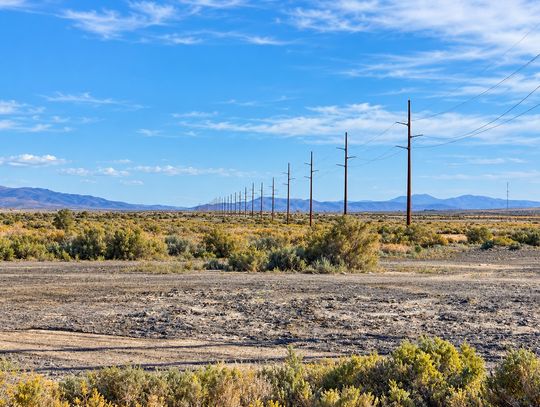
As Collins sang about her childhood in Colorado, the mountains she loved, and leaving that landscape for the desert, I found myself thinking about South Dakota, the Black Hills, and the place where my own story began.
I left South Dakota for the Nevada desert 36 years ago. I have built a life here, made friends, and found another community to call home. But there is something about the Black Hills that has never left me.
Listening to Collins, I wanted to change the words.
I am a girl from South Dakota.
Take me back to the mountains before another summer ends.
I thought about Dr. Doris Dwyer, sitting somewhere in that same theater. Back in the 1990s, I had taken a cultural geography class from Doris, where I learned about sense of place, the powerful connection people develop with the landscapes, communities, and memories that shape their lives.
I had recently explored that very idea in a “Things I Didn't Know” column.
Now, listening to Collins sing about Colorado, I understood that connection all over again.
Thirty-six years in the desert have given me another place to call home. But they have never erased the first one.
And sometimes it takes a song to remind us.
I went to the Barkley Theatre expecting an evening of beautiful music and perhaps a little nostalgia. I certainly got both. But I also came away thinking about the remarkable way music connects people across generations, carries our memories, and reminds us of the places we call home.
For Doris, there were the albums. For Anne, that first cassette tape. For Mary, memories of a concert nearly four decades earlier. And for Dawson, perhaps an introduction to music that was already old when his former teacher was young.
For me, there were the road trips with my little sister, the songs we knew by heart, and the mountains of South Dakota.
Judy Collins came to Fallon with a lifetime of music and stories.
And for a little while, she took me home.

Comment
Comments