
 Leanna Lehman
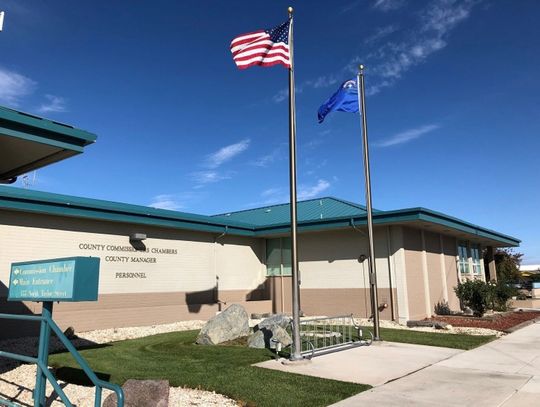
An effort to develop an industrial park near Hazen that began more than 20 years ago took another step forward Oct. 15 when Churchill County commissioners conditionally approved a plan to establish a general improvement district (GID) that could bring manufacturing jobs, new tax revenue, and major infrastructure investment to the county.
During two public hearings, commissioners also unanimously approved initiating Ordinance 2026-E, which begins the legal process of creating the district. Neither action actually established the GID. Before commissioners can consider its formation, property owners within the proposed district must be notified and given an opportunity to protest. The next hearing is tentatively scheduled for Nov. 18.
The hearings followed a petition and service plan filed in September by Churchill Hazen Industrial Park (CHIP) LLC, represented by Cory Hunt of Tolles Development Company. Nevada law requires commissioners to schedule a hearing on the service plan within 30 days of their next regular meeting following its filing. "I realize this feels quick, but it's something that's been in the works for some time," Hunt said.
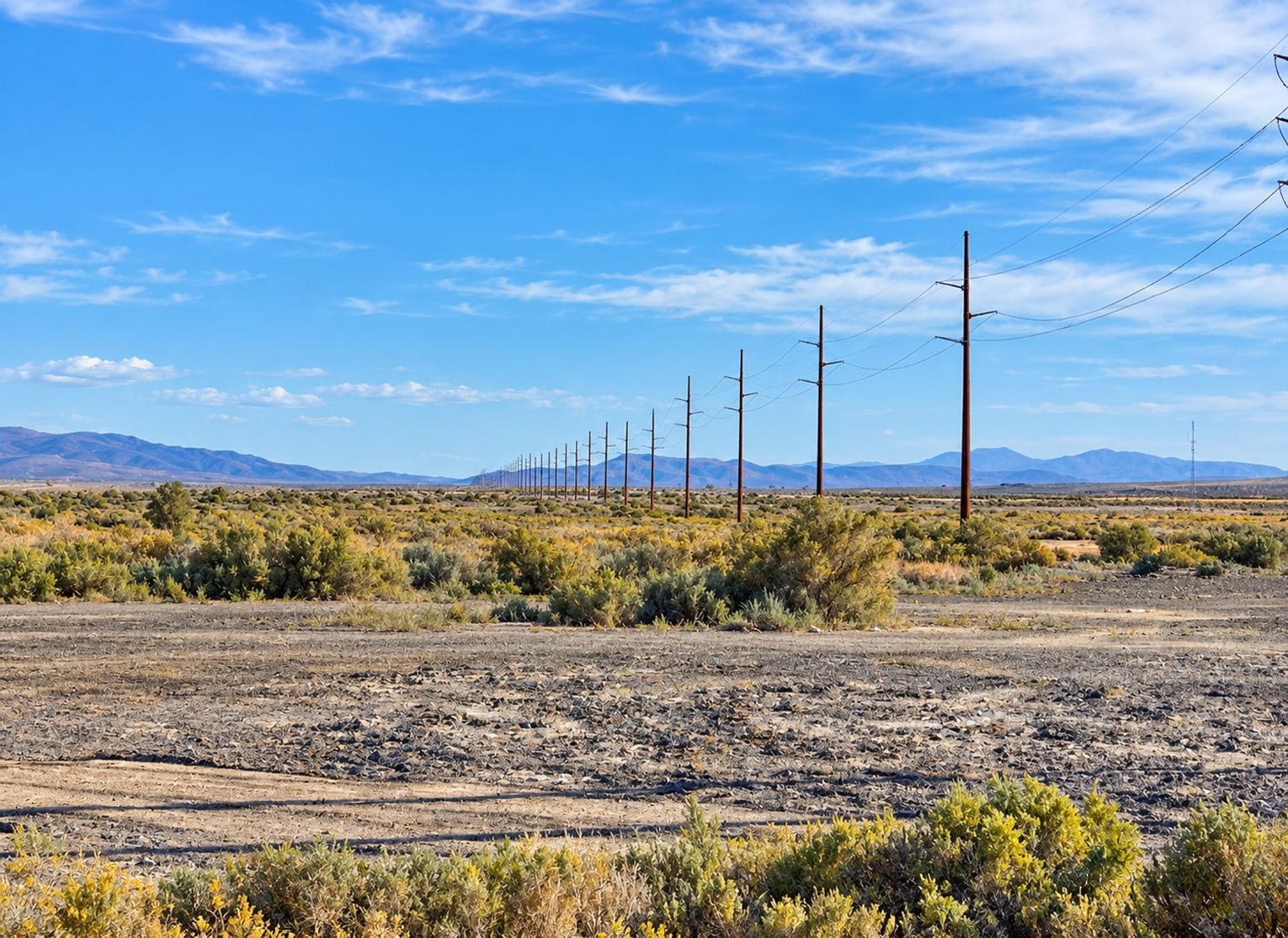
The proposed industrial park covers approximately 2,300 acres off U.S. 50A, about 17 miles east of Fallon. Developers hope to attract manufacturing and other industrial businesses, bringing jobs closer to home and adding to the county's tax base. But the project also brings questions about water, electricity, who pays for the infrastructure, and what responsibilities the county would take on.
A GID is a public district created to provide services to properties within its boundaries. It can own infrastructure, charge customers for services, and operate utilities. CHIP is seeking authority to provide electricity, water, sewer, roads, and storm drainage and flood control. Those services would be managed through the district rather than provided directly by the developer.
The property has been considered for industrial development for roughly 25 years, Hunt said in a previous interview. The late Tim Tucker, a former owner, had worked to develop the industrial park. After his death, Tolles Development began working with Tucker's estate to move the project forward.
Although the industrial park itself would cover 2,300 acres, the proposed GID would encompass approximately 54,000 acres. Hunt said CHIP LLC and its affiliates control about 78% of the private land within the district. Federal land would remain federally owned, and much of the area north of U.S. 50A would be used for power generation, transmission lines, and utility corridors rather than industrial buildings.
Getting utilities to the site has been one of the biggest obstacles. The property does not have the electrical capacity, water and sewer systems, or roads needed to support large industrial businesses.
Hunt said NV Energy could not provide the power needed for the project until 2032. Rather than wait, CHIP proposes generating its own electricity using natural gas, solar power, battery storage, and eventually geothermal energy.
The system would operate "behind the meter," meaning the industrial park would generate and distribute its own electricity without relying on NV Energy's existing grid. Private generating facilities would sell power to the GID, which would then sell it to businesses in the industrial park. According to Hunt, existing utility customers would not have to pay for the project's electrical infrastructure.
Water is another concern in Churchill County, where availability and conservation remain important issues.
Hunt said CHIP already has the water rights needed for its planned development and does not intend to acquire more. During the hearing, he described approximately 1,700 acre-feet of water rights associated with the property, including rights banked with the county. "We have plenty of resources that we need for CHIP under the plans that we have at this time," he told commissioners.
The service plan prohibits large-scale evaporative cooling, a process that can use substantial amounts of water. Water use would still be subject to state permitting and regulatory requirements.
County Manager Joe Sanford said county staff and attorneys reviewed the proposal with particular attention to protecting taxpayers and keeping the county's existing authority intact.
"I think a consistent theme that you'll see throughout the document is that if there's any risk, that risk has been shifted to the master developer," Sanford said.
Hunt said the developer would pay the initial costs of setting up the district and building infrastructure. Once facilities are completed, the GID could take ownership of certain public improvements and charge customers for services and maintenance. It could also repay the developer for some infrastructure costs using future district revenue, but would not be required to do so.
The proposal does not seek county-backed debt, tax increment financing, or tax abatements.
Sanford recommended nine changes to the service plan, including keeping county planning and zoning authority in place, making an advisory board optional, and protecting federal and county-owned property from future special assessments. Attorneys will also clarify how the district could be dissolved while protecting customers who might eventually depend on its services.
Because no one lives within the proposed district, county commissioners would initially serve as its governing board. The GID could hire an executive director, with the developer potentially covering the initial expense.
Resident Michelle Anderson questioned what types of industries might locate at CHIP, whether restrictions on evaporative cooling were specific enough, and whether commissioners would have time to oversee another public entity. She also asked whether the county should wait until businesses have signed binding contracts before creating the district. Hunt said no industrial customers have signed contracts, but prospective businesses need assurances that electricity and other infrastructure will be available before committing to the site.
Jim Barbee, representing Churchill Fallon Economic Development, supported the project, pointing to the number of Churchill County residents who commute to the Tahoe Reno Industrial Center (TRIC) via USA Parkway for work.
"You look at those white buses that roll out of town every morning headed to TRIC, and I am hoping we can reduce the number of folks that are having to leave this county and go all the way over there for employment," Barbee said.
Hunt said the project could create construction jobs, permanent industrial and utility positions, and additional property and sales tax revenue. He estimated the current assessed value of property within the proposed district at approximately $2.5 million, a figure that could increase as businesses build facilities.
Commissioner Eric Blakey said he had reviewed the proposal and public comments and felt comfortable moving forward, even though some questions remain unanswered.
"I'm excited about this project. I think it's going to be good for Churchill County," Blakey said.
Commissioners unanimously voted to conditionally approve the service plan with the changes recommended by county staff. A final resolution incorporating those changes will return for consideration at a later meeting.




Comment
Comments