
 Leanna Lehman
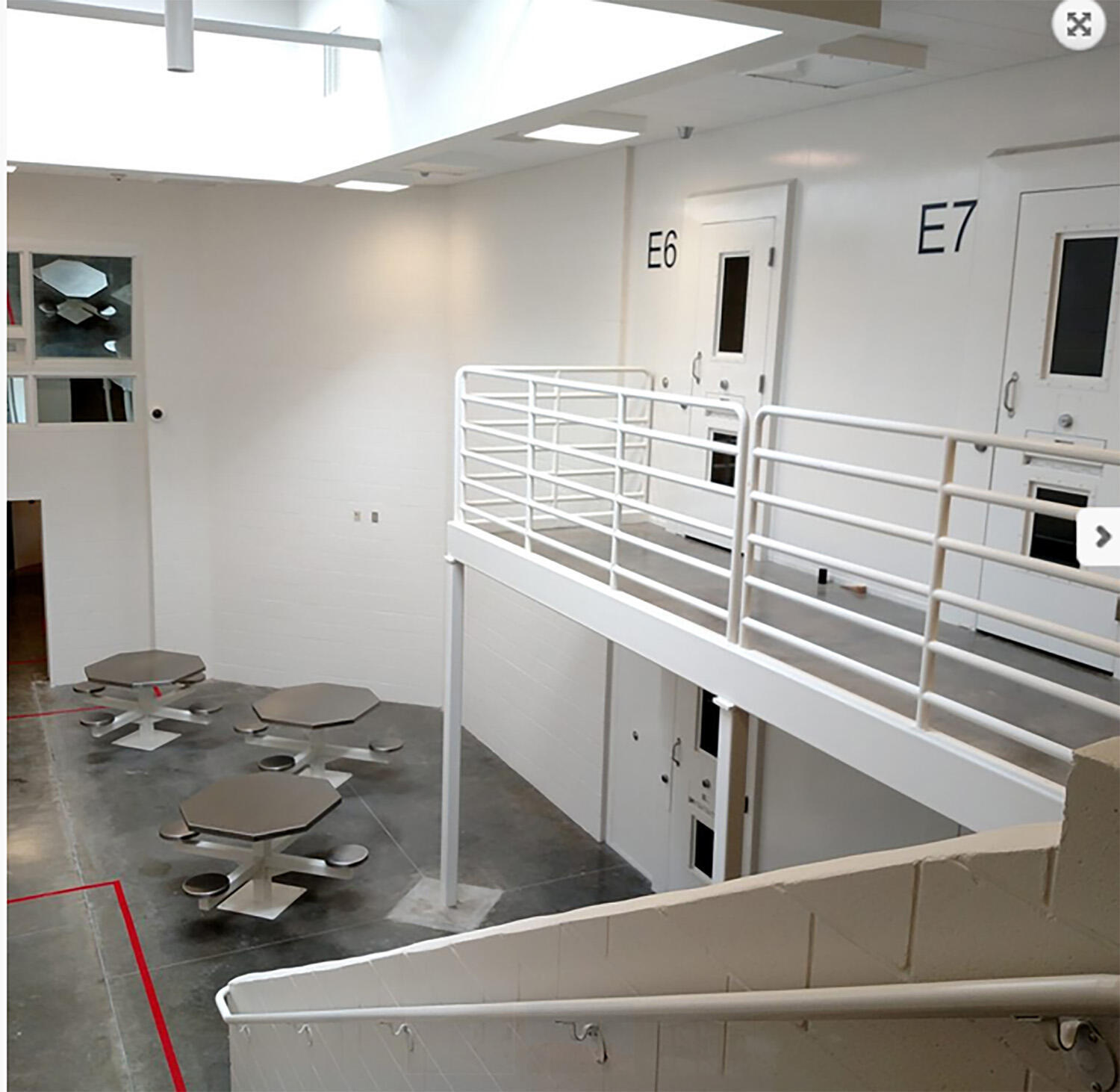
Imagine someone struggling with severe anxiety, depression, bipolar disorder, or another psychiatric condition. Then imagine them being arrested, separated from their family or support system, removed from everything familiar, and placed in a jail where nearly every aspect of the day is beyond their control.
That person may be frightened, confused, or experiencing a psychiatric crisis. They may not understand what is happening or be able to explain what medications or treatment are needed. Perhaps they were never diagnosed, and their symptoms contributed to the circumstances that brought them into contact with law enforcement.
While this may sound hypothetical, it is a very real experience for many individuals who have been taken into custody after an arrest.
Now, the responsibility for their safety and medical needs rests with a county jail that may, and often does, lack the personnel and resources to provide specialized treatment.
Moreover, untreated conditions can increase the risk of justice-system involvement. Most people in jails or prisons have some mental or behavioral health issues, including substance use disorders. Even the federal government recognizes the prevalence, with the Substance Abuse and Mental Health Services Administration estimating that 44% of people in jails have a mental illness and 63% have a substance use disorder. Further, SAMHSA reports that people with these disorders have challenges in getting appropriate treatment, and incarceration often exacerbates their symptoms.
Some inmates arrive with established treatment plans; however, many enter custody with needs that have never been addressed. At the Churchill County jail, deputies must recognize signs of distress, prevent self-harm, and arrange medical assistance, often without the clinical resources needed to treat serious psychiatric conditions.
Nevada Revised Statutes 211.140 requires jails to coordinate mental health and substance use disorder treatment to maintain continuity of care. But the law does not provide dedicated funding for every jail to employ the professionals needed to deliver those services.
Asked how difficult it is to maintain treatment for inmates already receiving mental health care, Churchill County Sheriff Lee Orozco offered a two-word answer: “Very difficult.”
Providing treatment to those who are undiagnosed can be equally, if not more, challenging. “All jails have become the de facto mental health for the counties, especially in the small rural counties,” Orozco said.
Jail personnel ask about medical and mental health conditions during intake. However, obtaining accurate information can be difficult when someone is in crisis or cannot identify their medications or providers.
Families are often left to help fill those gaps. Relatives alert staff to an inmate’s existing conditions, traumatic brain injuries, or previous treatment.
Orozco explained that families may bring prescribed medications to the jail, but they must be verified and approved before administration. Staff may also contact outside physicians or arrange hospital evaluations.
Churchill County Detention Center Capt. Brad Kufalk said inmates may continue appointments with existing mental health providers when those professionals are willing and able to work with the jail. Remote appointments can also be arranged. “If it's somebody local or willing to come to the jail, we can get them approved to have a visit with that person one-on-one,” Kufalk said.
The jail has access to medical providers and outside crisis assistance. But arranging evaluations, coordinating medications, and monitoring inmates cannot replace ongoing psychiatric treatment or counseling.
Now imagine being on the other side of the cell door as a newly hired detention deputy. An inmate is experiencing a psychiatric episode, perhaps repeatedly striking their head against a wall or engaging in behavior that could cause serious injury.
The deputy must intervene to protect that person while keeping himself, herself, and others safe. They may face verbal abuse, physical aggression, or exposure to bodily fluids, which poses a separate health risk.
The deputy can arrange medical assistance, but cannot treat the illness behind the behavior. Often, all they can do is wait. Then tomorrow, they may face the same situation again.
The scene is illustrative, but the circumstances reflect incidents described by jail officials. Repeated exposure to these situations can also make it difficult for deputies to remain empathetic and compassionate.
Inmates at risk of self-harm may require checks every 15 to 30 minutes, with deputies documenting their condition and intervening when necessary. A medical liaison may spend 10 hours of a 12-hour shift coordinating medical needs, adding to the demands on jail staff. Jail staff agree that it also takes a mental toll on deputies.
Orozco described employees being bitten, injured, and having urine thrown on them during interventions. Unfortunately, staffing shortages, overtime, and transporting inmates to outside medical appointments compound those pressures.
While they receive crisis intervention training, treating individuals with behavioral health needs involves much more than their training and job responsibilities cover.
Still, the need exists.
In the face of limited funding and treatment options, what can be done? The Sheriff's Office has explored contracting with medical providers to bring nursing and mental health services into the jail. Orozco said this could improve care and reduce hospital trips, but contract bids proposed in recent years projected annual costs of several hundred thousand dollars.
Some providers have declined because the jail population is too small. “Some said, no, we're too small. They won't even bother coming here,” Orozco said.
County commissioners have provided additional medical funding, but Orozco said it remains insufficient to establish the services the department wants or fully address the treatment requirements outlined by the Legislature.
Legislation passed during Nevada's 2025 special session expanded provisions for medication-assisted substance use disorder treatment in jails, but implementation is conditioned on available funding.
“It's obviously not enough to do what we ultimately want to do, but it does help cover some of the expenses that we've been incurring,” Orozco said.
But coordinating care isn't the same as providing it. Mental health professionals must be paid, and many inmates have little or no money for treatment. Even when providers are available, rural jails often lack the staffing and clinical expertise needed to arrange ongoing care.
The Sheriff’s Office takes its duty of care seriously. Mental health is often attached to drug use, said Orozco. “We become the de facto people for those [inmates], and unfortunately they don't get the care they really need in the jail.”
Meeting that responsibility requires more than a legal mandate. It requires qualified professionals, available treatment facilities, and sufficient funding to provide the care those individuals need.

















Comment
Comments