
 Rachel Dahl
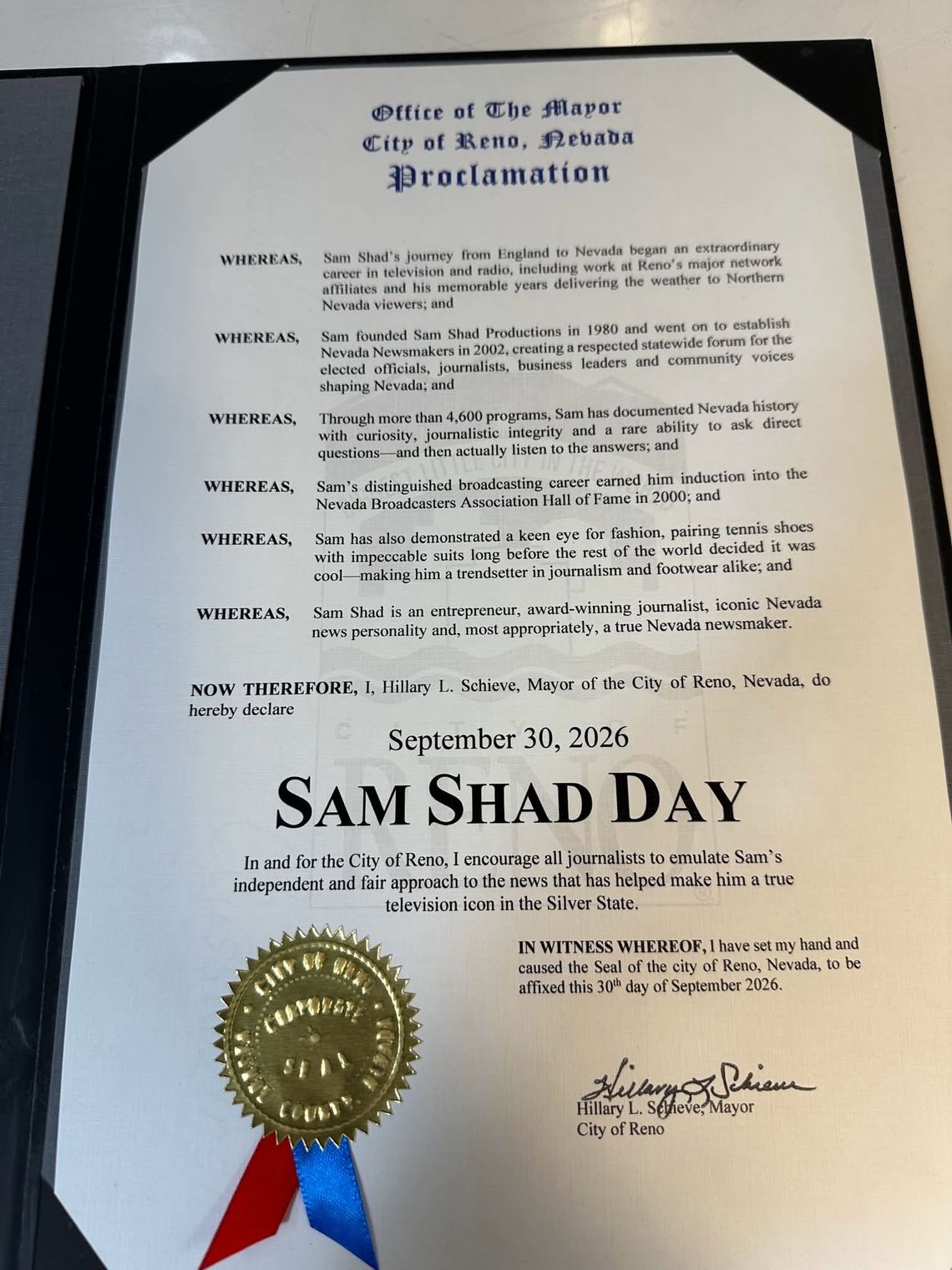
Sam Shad went to Washington expecting that data centers would come up, and he was not disappointed. He also came home with a bigger conversation, who should get to decide what happens to Nevada.
Listening to his September interviews with Congressional Representatives Dina Titus, Steven Horsford and Susie Lee, I kept coming back to the same thought. All this talk about artificial intelligence and the next technological revolution eventually comes down to location – as we old economic developers say: location, location, location.
Somebody needs land. Somebody needs water. Somebody needs power.
For those of us watching from rural Nevada, that is hardly a new story. What is changing is the speed, the scale and the pressure to get decisions made before communities have had time to understand what is being proposed.
The three members approached these questions differently, but there was a useful thread running through their conversations: development should come with public participation and benefits people can actually identify.
Titus was particularly skeptical about the handling of a proposed Boulder City data center. She questioned transparency, environmental review and whether the promised revenue would hold up once tax abatements entered the calculation.
But she also made an important distinction. She has not called for a moratorium on data centers. She acknowledged that the devices and services we use every day require them.
That moves the discussion into productive territory. We can need the technology and still insist on knowing what a particular project will require from its neighbors.
Shad pressed the other side, raising construction employment, economic activity and potential municipal revenue, topics that must be addressed when rural communities are impacted. A community trying to maintain roads, pay employees and keep services running cannot emotionally dismiss a new revenue source.
Neither should it accept the sales pitch without doing the arithmetic.
Horsford offered perhaps the most practical test: specific, measurable and enforceable community benefits agreements, including local hiring, alongside energy and water plans that protect existing ratepayers.
Enforceable is the word worth focusing on, a promise at a public meeting is one thing. An obligation somebody can enforce after the construction crews leave is another. Communities need to know who pays for infrastructure, how benefits will be measured and what happens if the project fails to deliver.
Horsford also brought rural residents and tribal nations into the discussion. His district reaches well beyond metropolitan Las Vegas, and he described hearing directly from constituents about how development should proceed.
The nuclear question revealed differences among the three.
Titus expressed strong concerns about small reactors accompanying data centers and the prospect of storing their waste on site. Lee was more open to advanced nuclear as part of a broader energy mix, while emphasizing waste management and pointing to geothermal as another opportunity. Horsford withheld a blanket endorsement or rejection, asking for specifics and a meaningful local voice.
Worthy of note, there is no single delegation answer to every energy question.
Water produced another revealing exchange.
Shad asked Horsford whether continued Colorado River trouble could revive the idea of a pipeline carrying eastern Nevada groundwater to Las Vegas.
Horsford said he did not think so. He argued instead for greater conservation elsewhere in the basin and a stronger accounting of how water is used.
For rural Nevada, that answer deserves attention and continued follow-up.
Lee described a different approach: partnerships in which Nevada helps finance water recycling elsewhere and, in exchange, retains water in Lake Mead. Her argument was that cooperation can produce additional supply without simply reaching into another Nevada community’s groundwater.
The details and timelines will be important, but the principle is useful: solve a shared problem by expanding the options.
Artificial intelligence brought the conversations back to speed.
Titus questioned whether Congress could write rules quickly enough to keep pace with technology. Lee wanted faster congressional action and suggested a select committee with a firm deadline. Horsford emphasized training workers and helping small businesses use the tools rather than being displaced by them.
There is a whole Nevada economy inside those three concerns: capable oversight, timely decisions and people prepared to participate.
There was also evidence that cooperation remains possible. Both Horsford and Lee highlighted their support for Mark Amodei’s northern Nevada lands legislation. Lee hoped it could create an opening for southern Nevada provisions as well.
We ought to pay attention when our representatives find common ground on the practical business of the state.
My takeaway from these interviews is that Nevada needs cleaner deals with the industries that want to build here. Show us the water plan. Show us the power plan. Show us the jobs, the revenue and the obligations that survive the ribbon cutting.
Then give the people who live here a real opportunity to weigh it all and trust our elected officials to represent us well.
Nevada has something everybody wants. We ought to understand its value before we make the deal.
Read more regional, rural Nevada news at GreatBasinSun.com










Comment
Comments