
 Michon Mackedon
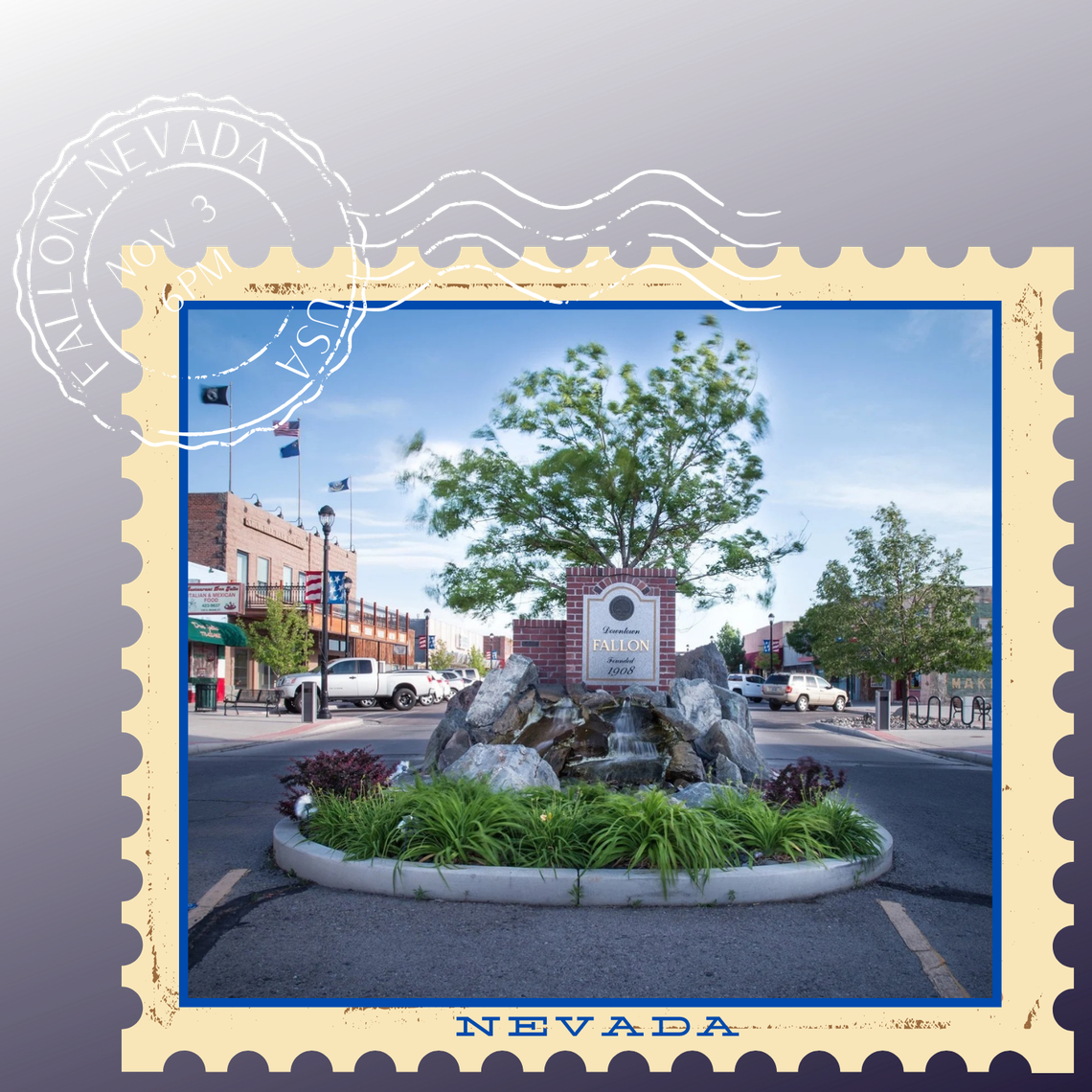
Today, the rallying cry of politicians on both sides of the aisle is “affordability.” The pocketbook is, was, and has always been a hot election topic. In early Fallon, once the city was incorporated (December 1908), there was a general acceptance that taxes would rise, and then all eyes, ears, and noses turned to tackling nuisances.
The early city ordinances tell us a lot about the nature of those nuisances, which ran the gamut from dogs on the loose to residents with loose morals. The dogs were easier to regulate. City Ordinance No. 4 was designed to “Abate the Nuisance of Dogs Running at Large.” It required the licensing of dogs at $2 per dog tag and authorized a pound for stray dogs, the City Marshal to serve as dog catcher (“In Focus,” Volume 21, 1907-08).
Regulating human conduct was trickier. Ordinance No. 7 legally established “Who Shall be Vagrants,” spelling out a long list of behaviors that fit the definition: those wandering the streets, begging door to door, associating with known thieves, “drunken or immodest ladies” (nothing said about their male counterparts), and those practicing prostitution. Vagrants, if convicted, were to be fined between $5 and $50 or imprisoned for 25 days. Convicted females were forbidden to enter liquor establishments. (Convicted males were apparently let back through the swinging doors.)
The battle for decency was most apparent in Ordinance No. 8, formally titled “Ordinance for the Preservation of Peace, Morals, Comfort and Health of the City of Fallon.” Crimes punishable by a $500 fine and six months in jail were sleeping on sidewalks, firing guns, exposing oneself in public, using licentious language (How might that work in today’s culture?), disturbing the peace, vandalizing property, concealing weapons, slaughtering animals without a license, and molesting peace officers. In a head-turning twist, the same ordinance defined as a crime “to appear in clothes or habiliments calculated or tending to conceal his or her sex.” Was there a rash of cross-dressing? Or were the females convicted of vagrancy trying to enter bars dressed as men? Or what? Two additional crimes, as named, give us a time capsule view of early animal rights concerns. It was a crime to torture a horse or mule by leaving it hitched to a post longer than six hours, and it was a crime to race animals or ride them in excess of 8 miles per hour (“In Focus,” Volume 21, 1907-08).
There is evidence in the newspapers of another seemingly modern phenomenon: snitching on the lawbreakers. A newspaper item from 1909 states that the city council had received a report that the Fallon Slaughtering and Supply Company was slaughtering within the city limits in violation of law. The minutes also reflect that a Mrs. Baker complained that Messrs. Monsell and Matthews had not removed a pile of manure from behind their stable and that it was a public nuisance. In a third instance, the city clerk was asked to order Mr. Gardner to clean up his cesspool after hearing complaints from neighbors.
Here is my take on the early efforts of the city council to turn Fallon into a respectable city: political divisions were present, of course, but the council passed ordinances that reflected the needs of the city, not the individual, designing legislation that would make Fallon cleaner, safer, and more attractive. There was a general shared effort to work for the common good. What an idea! I further think that it is probably the case that, over the years, local governments have tended to work in less partisan ways than we have seen at the national level.
Please send your stories and ideas for stories to [email protected].











Comment
Comments