
Garden of Edith on Allelopathy
03/16/2019 07:53 AM
(update 04/10/2023 11:09 PM)
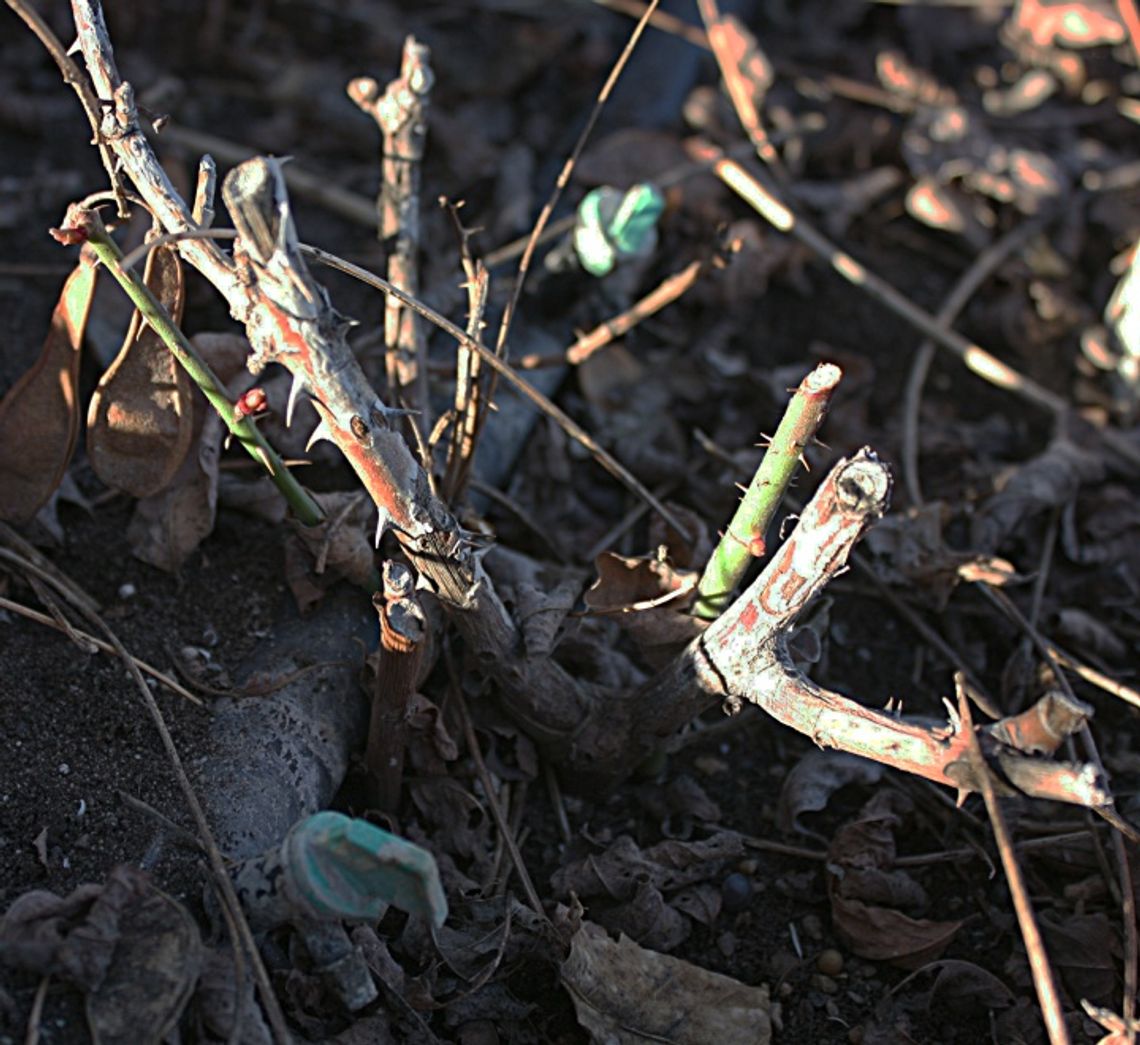
Many years ago I went to a local rose society meeting and part of those meetings was the host showing off their garden. At that meeting the host showed us a stunted rose planted under a black walnut tree. At the time we all attributed this to allelopathy. Now an Extension agent at Washington State University has done a review of the literature and come up with some alternative observations.
Allelopathy is when plants release organic compounds that inhibit other plants’ inhibit growth in the surrounding soil. Black walnuts are not the only plant species to exhibit phenomenon. Cottonwoods and poplars also seem to suppress the growth of other plants in their surroundings.
Observations that black walnuts suppress the growth of other plants goes back to the 1920’s when some farmers and gardeners noticed their crops were not doing well and black walnut trees were nearby. The problem is these were just observations in a limited number of areas. Since then others have noticed fields of vegetable crops doing just fine next to orchards of black walnuts.
The observation that black walnuts might be releasing a chemical to suppress the growth of other plants was backed up by some research and not by other research. Biochemists isolated a compound black walnuts release into surrounding soil that does inhibit germination under laboratory conditions. This compound is juglone. I say laboratory conditions as opposed to field conditions because it appears the studies that supported allelopathy were performed by adding extracts of juglone to potting soil in a greenhouse or growth chamber environment and trying to germinate seeds. The result was either drastically reduced germination or if seeds did germinate, the seedlings were weak and deformed. Field conditions usually did not produce the same result.
Now an Extension agent/horticultural researcher has reviewed the scientific literature regarding black walnut allelopathy and observed gardens where various perennials were thriving under black walnuts. This Extension agent suggests that juglone and alleopathy is a gardening myth. I won’t go quite that far but I will say that she brings up some very important points gardeners should consider. Those points have to do with competition between plants for resources. Especially light and the shade big trees create. If you wish to read this Extension agent’s paper you may do so by going directly to the pdf file “Do Black Walnut Trees have allelopathic effects on other plants?”
My own thoughts regarding Black Walnuts and allelopathy is that the laboratory results suggest juglone could be suppressing germination of seeds and that most definitely would reduce plant growth near a black walnut tree in the wild. However the picture the Extension agent presents in her paper shows perennials purchased at a nursery doing just fine at the base of black walnut trees. These particular perennials are shade adapted and the bed is being well maintained. It is an example showing that already established plants, when planted under a black walnut will do just fine. This might not have been the case if the gardener had tried to start these particular perennials directly from seed in these beds.
The rose struggling under the black walnut tree I was shown many years ago at the rose society meeting was purchased bare root. Since it was an already mature plant and not a seed or seedling, allelopathy was not likely the cause of its stunted growth. Instead, I think it might have been a rose variety that needed more light to really thrive. Yes, it probably should not have been planted in the shade of that black walnut tree, or any other large tree.
My next question for the researchers regarding juglone and black walnuts is what does juglone do to already rooted plants such as plants that spread by rhizomes? The Washington State Extension publication suggests that already rooted plants should thrive if given all the resources they needs such as adequate light, water, and fertilizer. For gardeners my suggestion is select plants for the conditions you have. Plant shade loving plants in shade and sun loving plants in full sun and they should do well with appropriate care.






Comment
Comments